A velocidade já não é apenas um extra. É parte integrante da decisão de compra. O envio rápido no dropshipping passou de uma funcionalidade agradável de ter para um fator determinante que separa as compras concluídas dos carrinhos abandonados. Dito isto, estudos recentes sobre o comércio global revelam que a taxa mundial de abandono de carrinho se encontra num máximo histórico, com os entraves relacionados com o envio a representarem a grande maioria destas vendas perdidas. Os clientes estão cada vez mais habituados aos prazos de entrega do Amazon Prime e passam a exigir esse nível de rapidez. Se não o oferecer, eles encontrarão quem o faça.
Neste artigo, aprenderá sobre a relação entre a velocidade de entrega e a taxa de conversão e, mais importante ainda, que ações deve tomar.
Principais Conclusões
- A velocidade de envio é agora um fator primário de conversão: 74% dos consumidores online esperam a entrega em 2 dias; estimativas lentas levam 21% dos compradores a abandonar instantaneamente o checkout.
- O abandono global de carrinho atinge uma média de 70,22% — o atrito no envio (custos inesperados + longos prazos de entrega) é o principal fator, com o abandono em dispositivos móveis a atingir 80,2%.
- O fulfillment com armazém local reduz a entrega de 14–30 dias para 2–5 dias, diminuindo os atrasos na alfândega e fornecendo um rastreio fiável. Um caso demonstrou uma redução de 88% (25 dias → 3 dias).
- A matemática da velocidade: Passar de uma entrega de 15 dias para 3 dias pode recuperar mais de 50% de encomendas com o mesmo tráfego, eliminando o atrito no checkout.
- Modelo de fulfillment híbrido (estocar previamente os 5 principais produtos localmente + envio padrão para os restantes) possibilita envios rápidos sem grandes compromissos de inventário.
- Opções de envio escalonadas no checkout (económico vs. expresso) aumentam as conversões ao servir tanto os clientes sensíveis ao preço como os focados na rapidez.
Índice de Conteúdos
Por que razões as expetativas modernas de entrega no e-commerce preveem a sobrevivência da loja
A sua loja não está apenas numa corrida contra outras empresas de dropshipping, mas também contra os retalhistas rápidos onde o seu cliente costuma fazer compras.
E isto eleva substancialmente o nível de competição. As expetativas de entrega no e-commerce evoluíram tanto que o que era considerado rápido há alguns anos pode agora parecer lento. Estima-se que 74% dos consumidores online gostariam que as suas encomendas fossem entregues em dois dias e, ao mesmo tempo, 63% deles definem um envio rápido como dois dias ou menos.
O seu prazo de envio não é um mero aspeto logístico, mas sim um fator decisivo nas conversões.
O que os clientes esperam neste momento
Os níveis de paciência dos consumidores estão claramente demonstrados nos indicadores mais recentes do comércio global:
- De acordo com os relatórios do setor da Digital Commerce 360, uma entrega rápida e fiável passou oficialmente de uma regalia opcional para uma métrica essencial de sobrevivência.
- Uma meta-análise abrangente do comportamento de compra realizada pelo Baymard Institute revela que estimativas de entrega lentas levam diretamente 21% dos compradores online a abandonar instantaneamente o checkout.
- Dados reunidos no relatório State of the Connected Customer da Salesforce indicam que 88% dos consumidores afirmam que a experiência proporcionada por uma empresa—incluindo o rastreio de encomendas em tempo real—é tão importante quanto os seus produtos.
Estas expetativas não são exigências extraordinárias de uma pequena minoria de compradores. A maioria dos consumidores online em todo o mundo partilha destes padrões.
O teste de sobrevivência para a sua loja
Se o seu prazo de entrega atual é de 14 a 30 dias, simplesmente não está a realizar envios eficientes e, mais do que isso, está a afastar o enorme fluxo de potenciais clientes que visitam a sua loja diariamente.
As lojas que permanecerão e crescerão em 2026 serão aquelas que considerarem a velocidade de entrega não apenas como uma métrica principal, mas como o elemento que define todo o negócio.
Como os prazos de transporte lentos aumentam diretamente a sua taxa de abandono de carrinho
Os carrinhos de compras abandonados são uma das maiores fontes de perda financeira para o e-commerce. De acordo com o estudo Checkout Benchmark Study 2025/2026 do Baymard Institute, a taxa média documentada de abandono de carrinho no comércio eletrónico situa-se atualmente nos 70,22%. Por outras palavras, em cada 10 pessoas que colocam um produto no carrinho, 7 saem sem concluir a compra.
O atrito no envio é consistentemente o principal culpado por afastar os clientes:
- 39% dos compradores abandonam os seus carrinhos no exato momento em que custos adicionais inesperados, como taxas de envio ou impostos, surgem demasiado tarde no fluxo de checkout.
- Os prazos de entrega longos são as duas faces da mesma moeda; uma promessa de envio não otimizada de várias semanas atua como um interruptor imediato de compra, especialmente em dispositivos móveis, onde as taxas de abandono são ainda mais elevadas.
O problema nos dispositivos móveis agrava a situação
A percentagem de abandono de carrinho em dispositivos móveis é de 80,2%, superior à observada em computadores. Os clientes no telemóvel têm maior probabilidade de abandonar a compra quando surgem novos obstáculos no checkout. Uma estimativa de entrega longa apresentada no pagamento é exatamente um desses problemas, interrompendo o processo de tomada de decisão de compra.
Se a maioria do seu tráfego provém de dispositivos móveis, como acontece na maior parte do e-commerce, então, em certo sentido, os envios lentos estão a custar-lhe ainda mais do que os números principais indicam.
Por que razão o fulfillment com armazém local resolve o gargalo de entrega de 14 dias
O modelo de dropshipping padrão expede mercadorias diretamente de fábricas no estrangeiro. Continua a ser funcional para iniciantes, mas falha no exato momento em que os seus clientes começam a comparar o seu prazo de entrega de 14 dias com um concorrente que oferece envios em 3 dias.
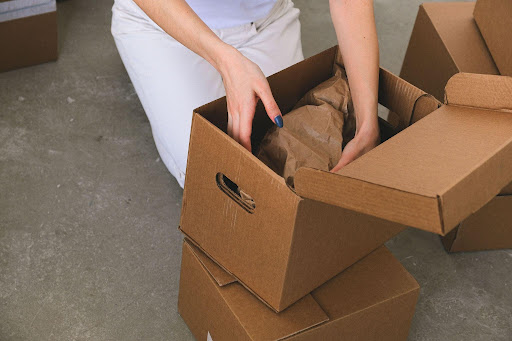
O fulfillment com armazém local é a solução para o problema. Os artigos mantidos em armazéns nacionais ou regionais são expedidos para os clientes no prazo de 2 a 5 dias úteis. Isto altera completamente a posição da sua loja perante a concorrência.
Como funciona realmente o fulfillment local
Em vez de depender de um fornecedor na China para processar e enviar uma encomenda internacionalmente, o stock é armazenado previamente num armazém próximo da localização dos clientes. Após a receção do pedido, este é expedido a partir do armazém local.
O que ganha com isto? Prazos de transporte mais curtos, menos retenções na alfândega e informações de rastreio mais fiáveis. Investigações sobre o fulfillment em armazéns nos EUA mostram que os artigos enviados de armazéns nacionais chegam normalmente à porta do cliente em 2 a 5 dias úteis. Essa é uma melhoria colossal em comparação com os prazos do envio internacional padrão.
Num estudo, demonstrou-se que o prazo de entrega para a UE a partir do armazém da marca foi reduzido de 25 dias para 3 dias como resultado da transição para o fulfillment através de um centro baseado no Reino Unido. Assim, apenas com essa mudança operacional, o tempo de entrega diminuiu 88%.
Os cálculos exatos sobre como uma logística rápida reduz a taxa de abandono de carrinho
Podemos ser muito claros sobre o valor real da velocidade de envio para o seu negócio.
Consideremos primeiro o cenário de referência.
Por exemplo, se o seu site regista 1.000 inícios de checkout por mês e a sua taxa de abandono de carrinho se situa nos 70% (alinhando-se com a referência global da Baymard), isto significa que confirma 300 vendas e perde 700. Este é o ponto de partida para uma loja de dropshipping padrão caracterizada por prazos de transporte internacionais típicos e não otimizados.
Agora, imagine alterar o seu prazo de entrega de 15 dias para apenas 3 dias através do fulfillment local. Ao remover o principal atrito no envio, os estudos mostram que pode recuperar carrinhos abandonados suficientes para concluir mais de 50% de encomendas adicionais com exatamente a mesma quantidade de tráfego.
Portanto, não se trata apenas de ter mais visitantes, mas sim de ter uma logística mais eficiente.
Como aumentar a conversão no checkout sem acumular grandes quantidades de stock
Uma das principais razões pelas quais as pessoas hesitam em adotar a ideia de envios rápidos é o facto de a associarem à compra e ao armazenamento prévio de inventário. Contudo, esse não é o caso nos modelos de negócio de dropshipping modernos.
Pode obter um envio rápido sem ficar preso a grandes quantidades mínimas de encomenda (MOQ) ou ter de arrendar o seu próprio armazém.
O modelo de fulfillment híbrido
De acordo com as estatísticas de 2026, o modelo híbrido é o que regista maior sucesso em lojas de dropshipping em crescimento constante. Por outras palavras, compra a fabricantes que possuem armazéns locais ou regionais dos seus produtos mais vendidos.
Os restantes produtos do seu catálogo serão enviados através dos canais habituais.
Alguns dos benefícios incluem:
- Oferecer entregas rápidas para os produtos que geram a maior parte das suas receitas
- Minimizar o capital investido em stocks
- Exibir prazos de entrega rápidos nos seus artigos mais vendidos com maior probabilidade de conversão.
Opções de envio escalonadas no checkout
Está comprovado que oferecer pelo menos duas opções de envio no checkout aumenta as conversões. Os consumidores que não têm pressa optarão pelo envio económico, enquanto aqueles que realmente desejam o produto com rapidez estarão dispostos a pagar um valor superior por uma entrega expressa.
A grande vantagem deste método é que consegue atender simultaneamente às necessidades dos clientes que procuram o preço mais baixo e daqueles que querem o produto o mais rápido possível, sem impor uma abordagem única para todos.
- No checkout, certifique-se de que mostra claramente as opções económica e expressa.
- Não forneça apenas um intervalo de tempo de envio, mostre também a data estimada de entrega para cada opção.
- Quanto mais cedo utilizar uma calculadora de portes durante o fluxo de checkout, menor será a probabilidade de surgir surpresas desagradáveis
Com a ajuda da Eprolo, estará ligado a fornecedores que não só possuem armazéns nos EUA e na UE, mas também noutros mercados fundamentais onde pretende vender.
Não terá de construir a infraestrutura para envios rápidos; ela ser-lhe-á disponibilizada diretamente através desta plataforma.
Proteger os lucros contra a mudança nos padrões de paciência dos consumidores
Que a tolerância do consumidor para entregas lentas é reduzida, já é um facto bem assente. Mais do que isso, continua a diminuir constantemente.
Os prazos médios de entrega no setor do e-commerce diminuíram de 6,6 dias em 2020 para apenas 3,7 dias no final de 2024. Essa melhoria de 44% na média da indústria significa que o ponto de referência que os seus clientes usam para o avaliar continua a acelerar.
Se a sua velocidade de envio permanecer inalterada ano após ano, está, em certo sentido, a tornar-se progressivamente mais lento em comparação com os padrões do mercado.
O que os dados sobre a paciência realmente mostram
- Dados de logística do setor reunidos no Commerce Trends Report da Shopify confirmam que quase 95% dos compradores estão dispostos a esperar 2 a 3 dias pela entrega.
- No entanto, esse nível de disponibilidade despenca acentuadamente para menos de 40% no exato momento em que o prazo de envio prometido ultrapassa os 3 dias.
- De acordo com o State of Post-Purchase Report da Narvar, 55% dos clientes online classificam a entrega no prazo como o principal fator de fidelidade à marca, enquanto 60% dos compradores mais jovens (dos 18 aos 29 anos) abandonam completamente um comerciante após apenas uma entrega em atraso.
Se observar o gráfico de paciência do consumidor, verá uma queda vertical. A mudança de uma promessa de 3 dias para 5 dias não corresponde a uma pequena diminuição na percentagem de pessoas dispostas a comprar: reduz essa disposição quase para a metade.
Construir uma estratégia de envio escalável
À medida que a sua loja cresce, as suas opções de fulfillment também se expandem. Apresenta-se a seguir a sequência seguida pela maioria das empresas de dropshipping:
- Etapa 1 (Primeiro passo): Obter produtos de fornecedores que possuam armazéns nas regiões pretendidas. Não é necessário compromisso com inventário.
- Etapa 2 (Vendas estáveis): Armazenar os seus 5 principais produtos num parceiro de armazém local. Planeie o seu inventário de acordo com a velocidade de vendas.
- Etapa 3 (Elevado crescimento): São utilizadas diferentes localizações de armazéns para cobrir várias geografias de clientes. As encomendas são encaminhadas automaticamente para o ponto de fulfillment mais próximo.
Com esta abordagem passo a passo, não precisa de resolver todo o enigma logístico no primeiro dia. Incorpora velocidade na sua cadeia de abastecimento à medida que os seus ganhos o permitem.
A sua velocidade de envio é a sua vantagem competitiva
Os vencedores no setor do retalho em 2026 não são necessariamente aqueles com os melhores produtos ou os preços mais baixos. Os vencedores são os que apresentam uma estimativa de entrega de 3 dias no checkout, enquanto os concorrentes exibem 14 dias.
Apenas esse número decide se o cliente compra na sua loja ou na concorrência.
O envio rápido no dropshipping já não é definitivamente apenas uma atualização logística. É uma estratégia de receita. E o melhor de tudo é que, para lá chegar, nem sequer precisa de ter um armazém, um orçamento elevado ou uma equipa de peritos em logística.
Visite eprolo.com para saber mais sobre as opções de envio rápido e fulfillment com armazém local da Eprolo, e faça do seu prazo de entrega o seu maior argumento de venda.
Perguntas Frequentes: Dominar os envios rápidos no dropshipping
P1: O envio rápido no dropshipping aumenta realmente as vendas?
Sem dúvida alguma. Enquanto a análise do setor do retalho da Wolfgang Digital destaca a razão pela qual as taxas de conversão de referência no e-commerce dificilmente ultrapassam a marca dos 1,9%, os comerciantes que oferecem prazos de transporte locais de 1 a 3 dias duplicam consistentemente essa média. Dados de otimização da indústria mostram que, ao eliminar a "ansiedade pelos atrasos de envio" no checkout, as marcas independentes alcançam regularmente aumentos de conversão de até 66%.
P2: Qual é um bom prazo de entrega para o e-commerce em 2026?
O padrão atual da indústria para considerar uma entrega "rápida" situa-se estritamente até 3 dias. Os dados de consumo BOXpoll da Pitney Bowes revelam que o padrão dos compradores online para um “envio rápido” se estabilizou firmemente numa média de 3,1 dias. Fundamentalmente, disponibilizar um intervalo de entrega claro e reduzido como "2-3 dias" no checkout provou ser a forma mais eficaz de eliminar o atrito do cliente e travar o abandono de carrinho antes que aconteça.
P3: Como obter envios rápidos ao fazer dropshipping a partir de fábricas no estrangeiro?
Basicamente, estas são as opções disponíveis: A sua primeira opção é trabalhar com fornecedores que já possuam armazéns locais ou regionais. A maioria dos agentes de sourcing e plataformas consolidadas, como a Eprolo, mantém armazéns nos EUA e na UE, de forma a que, assim que os produtos são importados em grande escala, passam a ser expedidos nacionalmente. Pode optar por um modelo híbrido, estocando previamente os seus SKUs mais vendidos nas instalações de um operador logístico (3PL). Pode também recorrer a integrações que atribuem automaticamente os pedidos ao armazém disponível mais próximo.
P4: Por que razão os clientes abandonam os seus carrinhos de compras na página de envio?
Duas razões principais. A primeira prende-se com os custos inesperados. Na página de envio, cerca de 47% dos clientes que se deparam com custos não previstos abandonam imediatamente a compra. A segunda é o prazo de entrega. Se a estimativa de envio não corresponder às suas expetativas, gera-se dúvida, o que conduz normalmente à desistência do cliente.
Leia mais no Blog da EPROLO
- Dropshipping no Instagram 101: Como começar e ter sucesso em 2026
- Como começar a fazer Dropshipping na Shopee em 2026
- 7 Nichos Lucrativos de Dropshipping no Instagram para Vender em 2026
- As 10 Melhores Plataformas de E-commerce para Dropshipping em 2026
- Top 7 Fornecedores Coreanos de Dropshipping nos EUA: Envios Rápidos e Tendências K-Beauty (Guia 2026)
Escrito por
A Josie é uma especialista em marketing experiente com conhecimentos em TikTok, Facebook e YouTube. Notabiliza-se no crescimento de audiências e na gestão de contas nas redes sociais, oferecendo consistentemente análises valiosas através dos principais canais de marketing social. A sua abordagem estratégica ajuda as marcas a criar um envolvimento significativo e a expandir a sua presença digital de forma eficaz.
Nota editorial: Este artigo destina-se apenas a fins informativos e não constitui aconselhamento financeiro, jurídico ou profissional de logística. As referências de envio, os prazos de entrega e as políticas de fulfillment estão sujeitos à variabilidade regional e dos transportadores; confirme sempre os prazos exatos de execução com os seus parceiros da cadeia de abastecimento.