With the help of AI for fashion trend forecasting, brands can discover the next big thing long before it's showing up on all your newsfeeds.
Indeed, the competition is tough. A report from McKinsey said that generative AI has the potential to increase the operating profits of the apparel, fashion, and luxury industries by anywhere from $150 to $275 billion over the next three to five years.
Besides that, fashion teams are currently utilizing AI to instantly scan social media posts, search queries, and sales figures. This article will walk you through how exactly AI is assisting the fashion industry and which tools can make things easier for you in the long run. Also, we will reveal the tricks to transforming the fashion forecast data into your own clothing line.
Key Takeaways:
- AI fashion trend forecasting harnesses machine learning and computer vision to analyze social posts, search spikes, runway shows, and retail data weeks ahead of human teams.
- Fashion brands leverage specialized AI tools for trend discovery, automated design, competitor price monitoring, and predictive inventory planning to minimize stock risk.
- Turning trend insights into an active clothing brand requires validating market demand and partnering with dependable fulfillment services like EPROLO for low-risk testing and custom branding.
Table of Contents
- What Is AI Fashion Trend Forecasting?
- How AI Analyzes Fashion Trends
- How Fashion Brands Use AI
- Best AI Tools for Fashion Product Research and Market Monitoring
- How to Choose the Right AI Fashion Research Tool
- How to Turn AI Fashion Insights into Your Own Clothing Brand
- The Future of AI in the Fashion Industry
- Frequently Asked Questions
What Is AI Fashion Trend Forecasting?
In a way similar to a weather forecast, AI fashion trend forecasting tells how a trend could develop. It uses information, machine learning, and other advanced tools to guess which styles consumers will want to see on their shelves in the future.
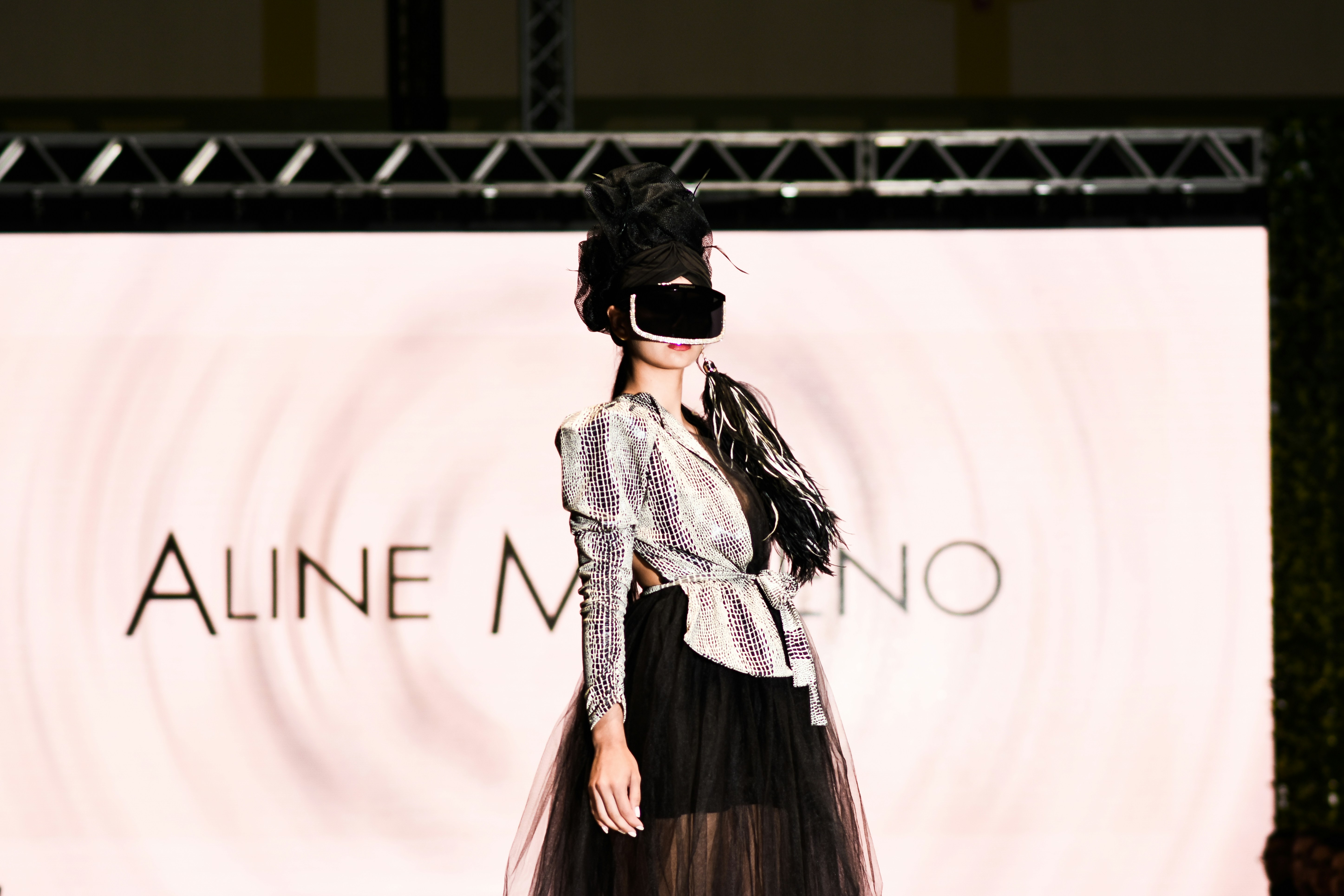
Such a forecast will give you an idea of what fashion will be popular in the future without you having to be a part of the conversation after the fact.
How AI Analyzes Fashion Trends
Machine learning can detect patterns if there’s a certain color or cut that keeps coming up more and more. A very good example is how machine learning will analyze color combinations over time.
In the same manner, it is done by scanning large volumes of data at a speed that human teams will not be able to keep up with. However, it is machine learning that is the main player here - it recognizes the underlying patterns in the data.
Computer vision is also a very important component. It is capable of scanning thousands of social media posts, runway shows, or photos from online stores in a way similar to us humans.
With the help of computer vision, one can not only count colors of different shades or the frequency of patterned clothes but also classify fabrics and clothing types in photos. Finally, data analysis reveals which elements are developing quickly.
A dress in sage color that appeared in 500 posts last month and 5,000 this month is a good example of a rising trend. You can easily spot what’s coming up, what’s getting popular, and what’s slowly fading away.
Data Sources Behind AI Fashion Forecasting
Accurate forecasts depend on data. Typically, platforms use data from multiple sources, including, but not limited to:
- Onlookers and influencers in the world of social media: Posts, videos, and hashtags illustrate trends in what people dress and share
- Searches and buyers' habits: A spike in searches reveals what customers desire to purchase
- Fashion shows and fashion designers: Designer runway looks and product drops preview the next collection to be offered to the public
- Online shop data: Product inventory, order counts, and ratings disclose the real goods in demand from customers.
No single information source is able to describe all. Social media style might not lead to retail sales. An in-depth forecast draws on the interplay of the four sources.
AI vs. Traditional Fashion Trend Forecasting
Using trend agencies, trade exhibitions, street monitoring, and the judgment of long-time buyers are traditional methods of forecasting. Color and mood are long-term areas where it works better. Being time-consuming and covering a limited set of markets are the main drawbacks.
AI increases the rate and capacity. The daily processing of millions of data points and the possibility of being worldwide and simultaneous are among AI features. Compared to the human workforce, it can detect a minor change a few weeks earlier.
AI is, however, still limited and only capable of pattern detection from past and present data. It has no sense of judgment of a brand's fit or one's taste. The top ones are the best ones that mix up all methods. AI is able to detect these signs, and people are the ones to make decisions on which fit the brand.
How Fashion Brands Use AI
AI now touches almost every part of a fashion business. Brands use it from the first trend signal to the final customer order. Here are the main uses.
Fashion Trend Forecasting and Discovery
It looks at social media and runway photos for early color, pattern, and fabric trends. Heuritech helps luxury and fashion groups plan their collections.
Consumer Behavior and Demand Analysis
AI reads browsing, searching, clicking, and buying behaviors. Stitch Fix uses data to pick clothes for customers. This helps brands know their audiences better.
AI Fashion Design and Product Development
AI can create design ideas quickly from text. Designers can type and get many design suggestions quickly.
It helps in the early design phase. Teams test colors, patterns, and fabrics without making samples. Google and Zalando have used AI for design. Now AI tools are even better.
Designers choose from AI options and refine them.
Product Research and Market Opportunity Analysis
Product research tools find best-selling items. They show prices, reviews, and sales estimates.
They also find gaps in the market. A niche with high demand and few good sellers is an opportunity. Fast fashion brands like Shein make small batches and reorder top sellers.
Competitor and Pricing Monitoring
AI tools help you monitor what your competitors are doing regarding new product launches, markdowns, and restocking in real time. Therefore, you are able to know what products are doing well in terms of sales and the timing of sales without going through hundreds of websites daily.
This will also allow you to set price points more appropriately. As well, it reveals the categories where competitors are not offering any products; this can be an opening for your new line of products.
Inventory Planning and Demand Forecasting
Just buying too much stock ties up cash and leads to unsold products. Hence, understocking means loss of sales opportunities. AI plays a big role in predicting future demand based on previous sales records, seasonal tendencies, and market indicators to minimize these two risks.
Large retailers do this every day. The owner of Zara, Inditex, sends back the sales data from stores to both design and supply teams. H&M Group has also indicated that it employs AI for demand forecasting and stock planning. Small brands can use the same principle with their own sales history and trend information.
AI-Driven Marketing and Personalized Shopping
AI looks at what each shopper sees and buys. It shows them similar products on their home pages, in emails, and ads.
It also creates product descriptions and ad copy quickly. Those recommendations help shoppers find things they like. Brands receive increased orders as a result.
Best AI Tools for Fashion Product Research and Market Monitoring
Tools do not do the same job. Some show trends for the future. Others track demand now. The following tools do both tasks.
Garmio AI: Fashion Product Research and Trend Intelligence
Garmio AI helps online sellers find fashion trends. It provides data without needing many analysts. Its key features include:
- Trend Finder. Finds new and promising fashion items.
- Market Insights. Tells about colors, styles, patterns, and market changes.
- Competitor Monitor. Watches rival items, prices, and launches.
- Influencer Tracking. Observes fashion influencers and trends.
- AI Redesign. Tests ideas for new designs and styles.
Use it as follows. First, do Trend Finder. Find the best products. Next, check market data for colors and styles. Then use Competitor Monitor to see who sells similar items and their prices.

Trendalytics: Consumer and Fashion Trend Analytics
Trendalytics helps foretell consumer trends by using web searches and online activity analysis.
The information collected drives product ideas and procurement choices by the design and buying teams.
EDITED: Fashion Retail and Competitor Intelligence
EDITED tracks retail aspects such as new products, prices, discounts, and stock across fashion stores.
Established brands use it for pricing strategies and assortment planning relative to rivals.
Dropship.io: E-commerce Product and Competitor Research
Dropship.io finds goods from Shopify shops and TikTok Shop locations for online sellers to use.
Examine rivals’ shops. Look at likely sales and price ranges. Then there are ads that give away what stuff is being featured. Ideal for dropshippers who need rapid product approval.
Minea: Product Discovery and Advertising Intelligence
Minea gets hold of new products from ad-related information. It checks advertisements on the Facebook and TikTok platforms.

When a seller keeps putting money into an item’s advertisement, that may indicate sales. Look into the ads used, deals made, and messages sent. Identify products that are becoming popular. Ad activity should be viewed as a sign rather than certainty.
Here is a quick comparison:
| Tool | Main Focus | Key Applications |
|---|---|---|
| Garmio AI | Fashion product intelligence | Product research, trend analysis, competitor monitoring |
| Trendalytics | Consumer and fashion trends | Demand analysis, trend discovery |
| EDITED | Fashion retail intelligence | Competitor pricing, assortment monitoring |
| Dropship.io | E-commerce product research | Product discovery, store analysis |
| Minea | Advertising intelligence | Ad research, product discovery |
How to Choose the Right AI Fashion Research Tool
Different AI tools fit different needs. Designers and sellers have different data requirements. Use these tips to pick the right one.
Data Sources and Market Coverage
Check where the tool gets data, like social media, searches, or ads. Ensure it covers your countries and product types. A US-focused tool may not work well for Europe or Asia.
Product and Competitor Tracking
Look for discovering products, monitoring competitors, and analyzing prices. These functions convert raw data into everyday decisions. See how easy it is to monitor rival stores or products over time.
Trend Analysis Capabilities
Make sure the tool detects new styles, colors, patterns, and preferences. Assess your forecasting needs. Long-term forecasting aids collection planning. Short-term product tracking helps weekly selling. Some tools prefer one side; choose one that suits you.
Pricing and Ease of Use
Look at the small costs and what they offer with their plans. Or check the pricing on their websites and any changes over time.
Also check how steep the learning curve is. Airs need to have very small dashboards. The best channel reports and access for teams. Demonstrations for most of these tools to test before you commit.
Suitability for Your Business
Match tool roles:
- Forecasters and designers observe trend fashion how to tools.
- Retailers watch data consumers metrics competitors like.
- Drop shippers seek research products checks markets advertisements data.
How to Turn AI Fashion Insights into Your Own Clothing Brand
Data means nothing until you act. This part shows how to turn a trend idea into a live store.
Identify and Validate Fashion Product Opportunities
Use AI tools. List upcoming styles and product categories. Check search demand, competitors, prices, and reviews.
Confirm each idea before spending. Not all trends sell. Some fade quickly. Look for steady demand, reasonable competition, and a unique angle.
Source Trending Fashion Products
Once you have a good idea, find a supplier. Compare quality, price, style range, and shipping.
EPROLO Fashion Dropshipping lets sellers get products and send orders. You can list items based on your trend research without having stock. This makes it cheaper and safer to test a new style.
Build Your Brand with Custom Clothing Labels and Packaging
Build a brand. Use labels, tags, and boxes. Create loyalty.
Custom options at EPROLO:
- Custom clothing labels
- Custom hang tags
- Custom packaging
- Custom gift cards
- Custom tape
Add your logo and colors. Some have no minimum order. See EPROLO branding page.
Start Selling Without Holding Large Inventories
List products. Customer orders. Supplier ships. No stock held.
Test with a small number. Watch sales. Add colors or styles. Stop slow sellers. Utilize sales data.
Manage Orders and Fulfillment
Customers expect their orders to arrive on time without any mistakes. Slow delivery and errors can result in them not buying from you again.
EPROLO takes care of getting products, processing orders, and shipping them all at once. This lets you focus on finding new trends, marketing, and helping customers. Consistent fulfillment gives every customer a great experience.
The Future of AI in the Fashion Industry
The fashion industry will continue to be revolutionized by AI. Three major changes that seem highly probable are:
Real-Time Fashion Trend Analysis
Social media, consumer, and retail data will begin to be updated frequently by these platforms. Brand awareness will be much quicker, in days instead of weeks, to detect new trends. Hence, new designers have the opportunity to surf on a trend early.
Generative AI and Fashion Design
Thanks to improved technology, design tools will generate a higher level of clothing accuracy in a visual form. As a result, fashion teams will first trial outfits and variations on the computer before producing actual samples. The time and money required for the early development stages are reduced as such.
Predictive Consumer Demand
Customer demand forecasts will be more precise. Marketing and inventory departments will be more dependent on predictive analytics. Consumers will have to look more closely to find the products that are best suited for them.
Frequently Asked Questions
What Is AI Fashion Trend Forecasting?
AI predicts styles using data. It checks social media, sales, and shows for patterns.
Can AI Predict Fashion Trends?
AI sees patterns in past data. It shows trends that could happen but is not always right.
What Are the Best AI Tools for Fashion Product Research?
Garmio AI for research and tracking. Trendalytics for trends. EDITED for pricing. Dropship.io for e-stores. Minea for ads.
How Do Fashion Brands Use AI?
Brands use AI to find trends, learn about consumers, design, research products, track competitors, and track stock levels. Many also use it to suggest products.
Can Small Clothing Brands Use AI?
Yes. AI tools are available for small teams and single sellers. Researchers are able to analyze products, customers, and competitors without the use of analysts. Begin with one tool and a brief product test.
Can AI Help You Start a Clothing Brand?
Yes, AI aids in identifying trends, choosing items, and designing concepts. However, suppliers, branding, and dependable fulfillment are required for a successful launch and ongoing operation of the company.
Written by
With over 10 years of e-commerce experience, Carry specializes in dropshipping, website management, and marketing strategies. She provides actionable insights that help online sellers grow, optimize their stores, and succeed in a competitive marketplace.