El dropshipping a menudo se promociona como una forma de bajo costo para iniciar un negocio en línea. Como no necesita mantener inventario ni administrar un almacén, muchos principiantes esperan altas ganancias con bajo riesgo.
Pero en realidad, muchas tiendas tienen dificultades debido a los costos ocultos. Más allá de los costos de producto y envío, gastos como el procesamiento de pagos, reembolsos, contracargos, aplicaciones y publicidad pueden reducir rápidamente los márgenes de beneficio.
Esta guía explica los costos ocultos más comunes en el dropshipping y cómo reducirlos para construir una tienda más rentable.
Conclusiones clave
- Las tarifas ocultas se acumulan rápidamente — pequeños cargos como comisiones de transacción, suscripciones a aplicaciones y penalizaciones por contracargos pueden eliminar los márgenes reducidos a escala.
- La mayoría de las tiendas fallidas no carecen de ventas — pierden dinero debido a un mal control de costos y gastos operativos pasados por alto, como reembolsos y pruebas de anuncios.
- 10 costos ocultos principales afectan la rentabilidad: procesamiento de pagos, contracargos, reembolsos, aplicaciones, muestras, publicidad, recargos de envío, soporte, marca e impuestos.
- Reduzca costos eligiendo proveedores confiables con envíos más rápidos, fijando precios basados en el beneficio neto, auditando suscripciones y construyendo sistemas de prevención de contracargos.
- EPROLO resuelve los problemas de raíz — control de calidad, almacenes globales, servicios de marca y cumplimiento integrado reducen las tasas de reembolso y los gastos de soporte.
Tabla de contenido
Por qué los costos ocultos importan en el dropshipping
Para entender por qué los gastos del dropshipping importan tanto, primero debe aceptar una verdad fundamental: el dropshipping opera con márgenes reducidos. La mayoría de los productos ganan entre un 10% y un 30% de beneficio neto antes de las tarifas ocultas. Después de esas tarifas, el margen a menudo cae al 5% o menos.
Las pequeñas tarifas pueden parecer inofensivas individualmente. Una comisión de transacción de $2 aquí, una suscripción de aplicación de $1.50 allá, una penalización de contracargo de $10 ocasionalmente. Pero a escala, estas pequeñas tarifas se acumulan rápidamente. Cuando procesa 500 pedidos al mes, una tarifa de $2 se convierte en $1,000 de ganancia perdida.
Estos costos ocultos del comercio electrónico afectan múltiples áreas de su negocio:
- Rentabilidad: Menores márgenes netos significan menos dinero para reinvertir.
- Eficiencia publicitaria (ROAS): Las tarifas ocultas reducen los retornos del presupuesto publicitario.
- Estabilidad del flujo de caja: Los cargos inesperados crean escasez de efectivo.
- Satisfacción del cliente: Algunos costos ocultos (como el envío lento) también perjudican la experiencia del comprador.
La mayoría de las tiendas de dropshipping que fracasan no fracasan por falta de ventas. Fracasan por un mal control de costos. Persiguen ingresos sin rastrear el costo real de cada pedido. Comprender y gestionar los costos ocultos del dropshipping es la diferencia entre escalar de manera rentable y quemar efectivo.
10 costos ocultos en el dropshipping
A continuación se presentan las tarifas y gastos de dropshipping más comunes que los dueños de tiendas subestiman.
1. Tarifas de procesamiento de pagos
Cada transacción pasa por una pasarela de pago como Stripe, PayPal o Shopify Payments. Estos proveedores cobran un porcentaje más una tarifa fija (típicamente 2.9% + $0.30 por transacción). Para un producto de $30, eso es alrededor de $1.17. Para tiendas de alto volumen, esto solo puede alcanzar cientos de dólares al mes.
Las tarifas de pago internacionales añaden otra capa. Si su proveedor está en China y su cliente en Europa, las pérdidas por conversión de moneda del 1 al 2% se aplican en ambas direcciones. Muchos principiantes olvidan que pagar a proveedores también incurre en tarifas de transferencia.
2. Contracargos y costos por fraude
Los contracargos ocurren cuando un cliente disputa una transacción con su banco. Incluso si gana la disputa, casi nunca recupera el valor total. Las penalizaciones por contracargo oscilan entre $15 y $25 por caso, además pierde el producto y los ingresos.
Los pedidos fraudulentos que usan tarjetas de crédito robadas también le cuestan dinero. Usted cumple el pedido, paga el envío, y luego el contracargo llega semanas después. Sin devolución del producto. Sin ingresos. Solo pérdidas.
3. Costos de reembolso y devolución
Los reembolsos en dropshipping duelen más que en el comercio minorista tradicional. A menudo tiene que pagar los gastos de envío de devolución para traer un producto de vuelta a su proveedor. Algunos proveedores de dropshipping no aceptan devoluciones en absoluto, obligándolo a emitir reembolsos sin recibir el producto.
Los artículos dañados o perdidos durante el envío también recaen sobre usted. Incluso si el transportista causó el daño, el cliente espera que usted lo solucione. Los reemplazos significan pagar el costo del producto y el envío dos veces.
4. Costos de aplicaciones y software de suscripción
Shopify y otras plataformas tienen funcionalidades básicas, pero la mayoría de las tiendas necesitan aplicaciones adicionales para ventas adicionales, reseñas, marketing por correo electrónico y chat en vivo. Estas aplicaciones cobran tarifas mensuales que van desde $9 hasta $99 cada una. Con el tiempo, la acumulación de suscripciones se convierte en un gasto importante del dropshipping.
Las herramientas de SEO, plataformas de análisis y software de automatización añaden aún más. Es común que una tienda pague $200-$500 al mes en aplicaciones mientras solo usa la mitad de ellas.
5. Costos de muestreo y prueba de productos
Los dropshippers exitosos prueban múltiples productos antes de encontrar artículos ganadores. Cada prueba requiere pedir muestras a los proveedores para verificar calidad, velocidad de envío y embalaje. El envío internacional de muestras cuesta $20-$50 por pedido.
Probar 10-20 productos es normal antes de encontrar uno que funcione. Eso significa $200-$1,000 gastados antes de hacer una sola venta. Muchos principiantes omiten el muestreo para ahorrar dinero, luego sufren altas tasas de reembolso porque la calidad del producto era mala.
6. Costos de prueba publicitaria

El gasto publicitario durante la fase de prueba es uno de los mayores costos ocultos del dropshipping. No se puede saber qué creatividades, audiencias u ofertas funcionan hasta que se gasta dinero. La mayoría de las tiendas pierden dinero en sus primeras campañas mientras recopilan datos.
Los costos de producción creativa también se suman. Los videos de contenido generado por el usuario (UGC) cuestan $100-$500 cada uno. La fotografía profesional de productos añade más. Las campañas ineficientes antes de la optimización pueden quemar miles sin generar ventas rentables.
7. Recargos de envío y cumplimiento
Los costos de envío rara vez son fijos. Durante la temporada alta (noviembre-enero), los transportistas añaden recargos que aumentan los costos de envío entre un 20 y un 50%. Las tarifas de entrega en áreas remotas se aplican cuando los clientes viven fuera de las principales ciudades. Algunos proveedores también añaden recargos por combustible o tarifas de manipulación.
El reenvío de paquetes perdidos duplica el costo de envío por pedido. Si su proveedor tiene un mal seguimiento o tiempos de despacho lentos, los reenvíos se vuelven rutinarios.
8. Costos de atención al cliente
A medida que su tienda crece, la atención al cliente se convierte en un gran sumidero de tiempo y dinero. Muchos dueños de tiendas contratan asistentes virtuales para manejar reembolsos, preguntas de seguimiento y resolución de disputas. A $5-$10 por hora, los costos de soporte pueden alcanzar fácilmente $500 o más al mes.
El software de mesa de ayuda (como Gorgias o Zendesk) y las herramientas de chat en vivo añaden tarifas de suscripción. El costo de tiempo de manejar disputas usted mismo también tiene valor. Cada hora dedicada al soporte es una hora no dedicada al marketing o la estrategia.
9. Costos de marca y creación de contenido
El dropshipping con marca hace que su marca se sienta única. Para construir un negocio real, necesita fotografía de productos, embalaje personalizado e inserciones de marca. Las fotos profesionales cuestan $50-$200 por producto. Las cajas y sobres de polietileno personalizados añaden $1-$3 por pedido.
Si bien la marca es valiosa, sigue siendo un gasto de dropshipping que los principiantes olvidan presupuestar. Sin ella, compite solo por precio, lo que aplasta los márgenes.
10. Costos de impuestos y cumplimiento normativo
Las obligaciones de impuestos sobre las ventas e IVA se encuentran entre las tarifas de dropshipping más pasadas por alto. En muchas regiones, usted es responsable de recaudar y remitir impuestos incluso cuando utiliza un proveedor en otro país. El incumplimiento conlleva sanciones e intereses.
Las tarifas de registro de empresas, el software de contabilidad (QuickBooks, Xero) y la ayuda fiscal profesional añaden costos continuos. Estos no son opcionales para negocios serios, pero muchos principiantes los ignoran hasta que reciben un aviso de impuestos.
Cómo reducir o evitar los costos ocultos del dropshipping
Conocer los costos es solo la mitad de la batalla. También necesita estrategias prácticas sobre cómo reducir los costos del dropshipping sin sacrificar la calidad o la experiencia del cliente.
4.1 Elija proveedores confiables con envíos más rápidos
La mayoría de los reembolsos y contracargos provienen de envíos lentos o productos dañados. Una entrega más rápida reduce drásticamente las tasas de reembolso. Cuando los clientes reciben su pedido en 7-10 días en lugar de 4 semanas, las tasas de disputa caen un 50% o más.
Los proveedores confiables también mejoran la satisfacción del cliente y las compras repetidas. Menos problemas significan una menor carga de trabajo de soporte y menos fricción operativa. La verificación de proveedores antes de escalar es una de las formas más efectivas de controlar los gastos del dropshipping.
4.2 Fije el precio de los productos basándose en el beneficio neto (no en el margen de beneficio)
Muchos principiantes utilizan fórmulas simples de margen de 2x o 3x. Ese enfoque falla porque ignora los costos ocultos del dropshipping. En su lugar, construya un modelo de precios que incluya:
- Tarifas de transacción (pasarela de pago + conversión de moneda)
- Tasa estimada de reembolso y contracargo (típicamente 3-5%)
- Costo de adquisición por publicidad
- Gastos generales de aplicaciones y suscripciones
Mantenga un colchón de beneficio saludable del 10-15% después de todos estos costos. Si su precio no lo permite, el producto no es viable.
4.3 Audite las aplicaciones y suscripciones regularmente
Establezca un recordatorio trimestral para revisar cada herramienta paga en su stack. Elimine las aplicaciones no utilizadas o redundantes de inmediato. Muchos dueños de tiendas pagan por aplicaciones que instalaron una vez y nunca volvieron a abrir.
Evite la acumulación innecesaria de SaaS. Por ejemplo, use el marketing por correo electrónico integrado de Shopify en lugar de Klaviyo hasta que alcance los 1,000 suscriptores. Use herramientas de análisis gratuitas en lugar de las premium hasta que realmente necesite funciones avanzadas.
4.4 Construya sistemas de prevención de contracargos
La mayoría de los contracargos se pueden prevenir con una mejor comunicación y expectativas precisas. Implemente estos sistemas:
- Descripciones claras de productos con detalles realistas de talla y material
- Plazos de envío precisos mostrados antes de la compra (no en letra pequeña)
- Actualizaciones de seguimiento automatizadas por correo electrónico o SMS
- Tiempo de respuesta rápido de atención al cliente (menos de 4 horas)
Cada uno de estos reduce las tasas de disputa y protege sus márgenes de beneficio.
4.5 Realice un seguimiento constante de todos los gastos del negocio
No puede arreglar lo que no mide. Controle el gasto en publicidad, reembolsos, tarifas de transacción y suscripciones en una hoja de cálculo simple o herramienta de contabilidad. Revise su estado de pérdidas y ganancias semanalmente, no mensualmente.
Identifique las fugas de beneficios a tiempo. Si los reembolsos aumentan para un producto, investigue de inmediato. Si las tarifas de transacción parecen altas, considere cambiar de procesador de pagos. Los pequeños ajustes hechos a tiempo evitan grandes pérdidas más adelante.
Cómo EPROLO ayuda a reducir los costos ocultos del dropshipping
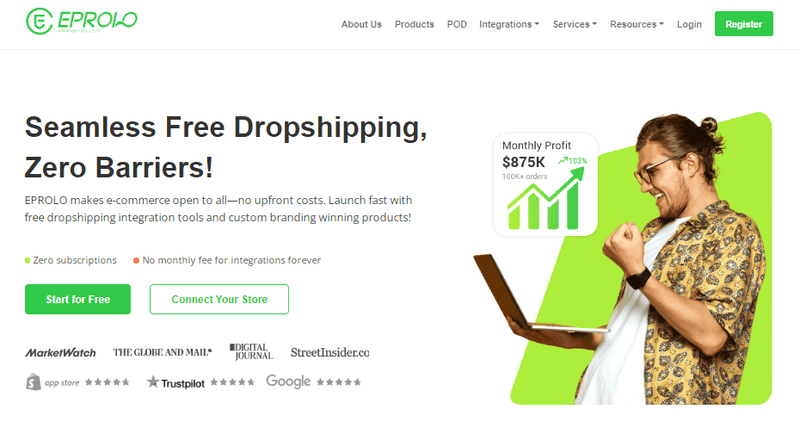
Muchos costos ocultos del dropshipping se remontan a dos problemas principales: la mala calidad del producto y los proveedores extranjeros de bajo costo no confiables. Los proveedores baratos crean una cascada de problemas costosos que incluyen altas tasas de reembolso, aumento de contracargos, mala experiencia del cliente y crecientes costos de soporte.
EPROLO aborda estos problemas centrales directamente a través de sus sólidas características diseñadas para negocios de dropshipping modernos.
Sistema de control de calidad: Cada producto puede ser inspeccionado antes del envío. Esto reduce drásticamente las tasas de defectos y evita devoluciones causadas por errores de fabricación. Una experiencia de cliente más estable significa menos solicitudes de reembolso y compradores más felices.
Almacenes globales: EPROLO opera almacenes globales en múltiples regiones, incluyendo Estados Unidos, Europa y Asia. Los tiempos de envío más rápidos en todas las regiones conducen a menos disputas relacionadas con la entrega. Los clientes reciben pedidos en días en lugar de semanas, lo que mejora directamente la satisfacción y retención del cliente.
Servicios de marca asequibles: El branding personalizado como embalajes personalizados y opciones de logotipo aumentan el valor percibido del producto sin costosas cantidades mínimas de pedido. Esto ayuda a construir un valor de marca a largo plazo mientras mantiene los gastos de dropshipping bajo control. El embalaje de marca también reduce los reembolsos de "esto se ve barato".
Sistema de cumplimiento integrado: El procesamiento automatizado de pedidos reduce el error humano y elimina los errores de entrada manual de datos. Las operaciones más eficientes a escala significan menos tiempo dedicado al soporte y la corrección de pedidos. El sistema también proporciona una mejor visibilidad del seguimiento, lo que reduce los tickets de soporte de "dónde está mi pedido".
Para los dueños de tiendas que se toman en serio cómo reducir los costos del dropshipping, cambiar a un socio de cumplimiento como EPROLO elimina muchos de los gastos ocultos descritos en esta guía. Tasas de reembolso más bajas, envíos más rápidos y operaciones automatizadas mejoran directamente los márgenes de beneficio del dropshipping.
Conclusión
Los costos ocultos del dropshipping son una de las principales razones por las que las tiendas pierden ganancias incluso con ingresos saludables. Estos costos provienen de múltiples áreas operativas, no solo del costo del producto o el envío. Las tarifas de procesamiento de pagos, contracargos, reembolsos, suscripciones de aplicaciones, pruebas publicitarias, recargos de envío, atención al cliente, marca e impuestos afectan los márgenes.
Comprender y gestionar estos costos es esencial para la escalabilidad. Las tiendas que sobreviven y prosperan no son las de mayores ingresos. Son las que rastrean cada gasto, eliminan el desperdicio y mantienen la disciplina.
Los sistemas sólidos de proveedores y la disciplina operativa mejoran la rentabilidad a largo plazo. Ya sea que cambie a un socio de cumplimiento como EPROLO o audite sus procesos actuales, comience a reducir los costos ocultos hoy. Su margen de beneficio depende de ello.
Preguntas frecuentes (FAQ)
¿Cuáles son los mayores costos ocultos en el dropshipping?
Los mayores costos ocultos del dropshipping son las tarifas de procesamiento de pagos, las penalizaciones por contracargos, los costos de envío por devoluciones y los gastos de prueba publicitaria. Para las tiendas en crecimiento, las suscripciones a aplicaciones y la mano de obra de atención al cliente también se vuelven significativas.
¿Por qué las tiendas de dropshipping tienen dificultades con la rentabilidad?
La mayoría de las tiendas tienen dificultades porque calculan las ganancias basándose solo en el costo del producto y el envío. Ignoran los costos ocultos del comercio electrónico como las tarifas de transacción, reembolsos, contracargos e ineficiencia publicitaria. Los márgenes reducidos más los gastos inesperados conducen a pérdidas constantes.
¿Cómo se pueden reducir los contracargos en el dropshipping?
Reduzca los contracargos proporcionando descripciones claras de productos, plazos de envío precisos, actualizaciones de seguimiento automatizadas y atención al cliente rápida. Prevenir la confusión y frustración del cliente detiene las disputas antes de que comiencen.
¿Son necesarias las aplicaciones de Shopify para administrar una tienda?
No. Muchas tiendas comienzan sin aplicaciones de pago. Utilice las funciones integradas de Shopify para correo electrónico, análisis y reseñas inicialmente. Solo agregue aplicaciones de pago cuando necesite específicamente una funcionalidad que justifique el gasto mensual del dropshipping.
¿Cómo afecta la velocidad de envío a los costos del dropshipping?
El envío lento aumenta las tasas de reembolso, contracargos y tickets de soporte. El envío más rápido reduce estas tarifas de dropshipping y mejora la satisfacción del cliente. Usar almacenes globales con inventario regional es una de las mejores formas de reducir los costos del dropshipping.
¿Cuál es el costo más pasado por alto en el dropshipping?
El cumplimiento fiscal (impuesto sobre las ventas e IVA) es el costo oculto del dropshipping más pasado por alto. Muchos principiantes ignoran las obligaciones fiscales hasta que reciben sanciones. El software de contabilidad y la ayuda profesional deben presupuestarse desde el primer día.
Leer más
Escrito por Bianca
Bianca es una creadora de contenido centrada en el crecimiento sostenible del comercio electrónico. Va más allá de los trucos rápidos, enseñando a los vendedores en línea cómo construir marcas duraderas a través de sólidos fundamentos de SEO y una narración convincente. Convierte a los buscadores en clientes leales a través del poder de las palabras.