Starting a supplement dropshipping business can look attractive for one clear reason: you do not need to buy stock upfront. Instead of filling your garage with protein powders, vitamins, gummies, capsules, or wellness products, you can work with suppliers who store, pack, and ship products after customers place orders.
That low-inventory model can reduce startup costs, but supplements are not ordinary ecommerce products. They sit in a highly regulated category where marketing language, product quality, labels, supplier credibility, and customer safety matter. A careless product page can create legal, financial, and reputational risk.
This article explains how to start a supplement dropshipping business with $0 inventory in a practical, responsible way. You will learn how to pick a niche, evaluate suppliers, build a store, write compliant product pages, manage fulfillment, and reduce common risks without making fake earnings promises or unsupported health claims.
Important note: This article is for general ecommerce education only. Supplement rules vary by country, state, platform, product type, claim type, and sales channel. Always consult qualified legal, regulatory, or compliance professionals before selling supplements.
Key Takeaways
- Low Startup Risk: Supplement dropshipping unlocks a zero-inventory B2B model, avoiding bulk stock holding and overhead costs.
- Strict Regulation Framework: Dietary items fall under strict FDA and FTC oversight, requiring precise copywriting limits.
- Supplier Documentation Check: Finding a reliable supplier demands verification of ingredient panels, allergen safety, and GMP compliance.
- Lean Launch Protocol: A smart merchant validates demand with a tight 3-8 product catalog before moving into private label packaging.
- Trust-Driven Marketing: Customer retention relies heavily on transparent lifestyle routines, subscription models, and factual copywriting.
Table of Contents
What Is Supplement Dropshipping?
Supplement dropshipping is an ecommerce model where you sell dietary supplements online without holding inventory yourself. When a customer orders from your store, the order is sent to a supplier or fulfillment partner. That partner prepares the package and ships it directly to the customer.
Common supplement categories may include vitamins, minerals, protein products, herbal supplements, collagen, probiotics, gummies, sleep-support products, sports nutrition products, and general wellness formulas. However, product availability depends on supplier capability, shipping destination, platform restrictions, and compliance requirements.
The appeal is simple: you can test demand without buying hundreds of units in advance. The challenge is also simple: customers expect safe products, accurate labels, transparent ingredients, reliable delivery, and responsible claims. A supplement business must be built with more care than a typical fashion accessory or home decor store.
Can You Really Start with $0 Inventory?
Yes, you can start with $0 inventory if you use a dropshipping or on-demand fulfillment model. That means you do not purchase bulk stock before making sales. You only pay the supplier after a customer places an order, depending on the supplier’s payment terms and your store setup.
However, “$0 inventory” does not always mean “$0 business cost.” You may still need to pay for a domain name, ecommerce platform subscription, samples, product testing, compliance review, store apps, payment processing fees, packaging upgrades, or marketing. The main benefit is that you avoid tying up cash in unsold stock.
A smart beginner approach is to keep the first version lean. Start with a small catalog, request supplier documentation, order samples when possible, write conservative product copy, and validate demand before expanding into private label packaging or larger marketing campaigns.
Step 1: Choose a Narrow Supplement Niche
A supplement store should not try to sell every wellness product from day one. A focused niche makes branding, content, supplier selection, and customer education easier. It also helps you avoid creating a confusing catalog full of unrelated products.
- Sports nutrition for gym customers
- Daily wellness supplements for busy adults
- Beauty-from-within products such as collagen or hair-support formulas
- Vegan-friendly supplements
- Men’s or women’s wellness products
- Low-sugar gummies or convenient supplement formats
- General lifestyle products for sleep routines, hydration, or fitness recovery
When choosing a niche, avoid starting with products that require aggressive medical claims to sell. For example, a product that only sounds attractive if you claim it “cures anxiety,” “treats diabetes,” or “prevents disease” is a high-risk choice. A safer ecommerce positioning focuses on general wellness, lifestyle support, convenience, transparency, and ingredient education without promising medical outcomes.
Step 2: Research Demand Without Buying Stock
Before listing products, check whether people are already searching for or buying similar supplements. You do not need to order inventory to do this. Use keyword research, marketplace browsing, social listening, competitor analysis, and customer review reading.
- Recurring search interest for product types such as magnesium gummies, collagen powder, or vegan protein
- Many customer reviews on competing products
- Clear customer complaints you can address, such as taste, packaging, shipping time, or unclear ingredients
- Content opportunities around routines, comparisons, ingredient explainers, and buying tips
- Products that can be marketed without medical overclaims
Do not copy competitor claims blindly. Many supplement listings online use risky wording. Your goal is not to imitate the loudest seller. Your goal is to create a trustworthy store that can survive platform reviews, payment processor checks, customer complaints, and regulatory scrutiny.
Step 3: Understand Supplement Compliance Before Writing Product Pages
Compliance is one of the biggest differences between supplement dropshipping and ordinary dropshipping. In the United States, dietary supplement marketing is affected by FDA and FTC expectations. Other countries and regions have their own rules, and cross-border selling can create additional obligations.
Key compliance facts to know:
- The FDA states that certain supplement structure/function claims may require a disclaimer that the FDA has not evaluated the claim and that the product is not intended to diagnose, treat, cure, or prevent any disease.
- Manufacturers must have substantiation for claims and may need to notify the FDA within 30 days after marketing certain claims.
- The FTC expects health-product advertising to be truthful, not misleading, and supported by competent and reliable scientific evidence.
For dropshippers, this means you should not publish claims such as “cures insomnia,” “treats depression,” “melts fat,” “reverses diabetes,” “prevents cancer,” or “guarantees muscle gain.” You should also avoid implying that customer reviews prove a medical result.
Step 4: Find Suppliers and Verify They Can Support Supplement Orders
Your supplier is central to your supplement business. A low price is not enough. You need to know whether the supplier can provide product details, stable fulfillment, accurate labeling information, shipping options, and quality-related documentation.
- What product categories do you support?
- Where are the products manufactured and fulfilled?
- Can you provide ingredient lists, labels, serving size information, and allergen details?
- Can you provide documentation related to quality, manufacturing, or testing when applicable?
- Are the products compliant for my target market?
- What shipping methods and delivery estimates are available?
- How are damaged, expired, incorrect, or returned orders handled?
- Can you support branded packaging or private label options later?
EPROLO can be used as a dropshipping platform and sourcing workflow for ecommerce sellers, but supplement sellers should confirm product availability, documentation, fulfillment terms, and market suitability with the supplier before listing any item. This is especially important for regulated categories.
Step 5: Order Samples Before Selling at Scale
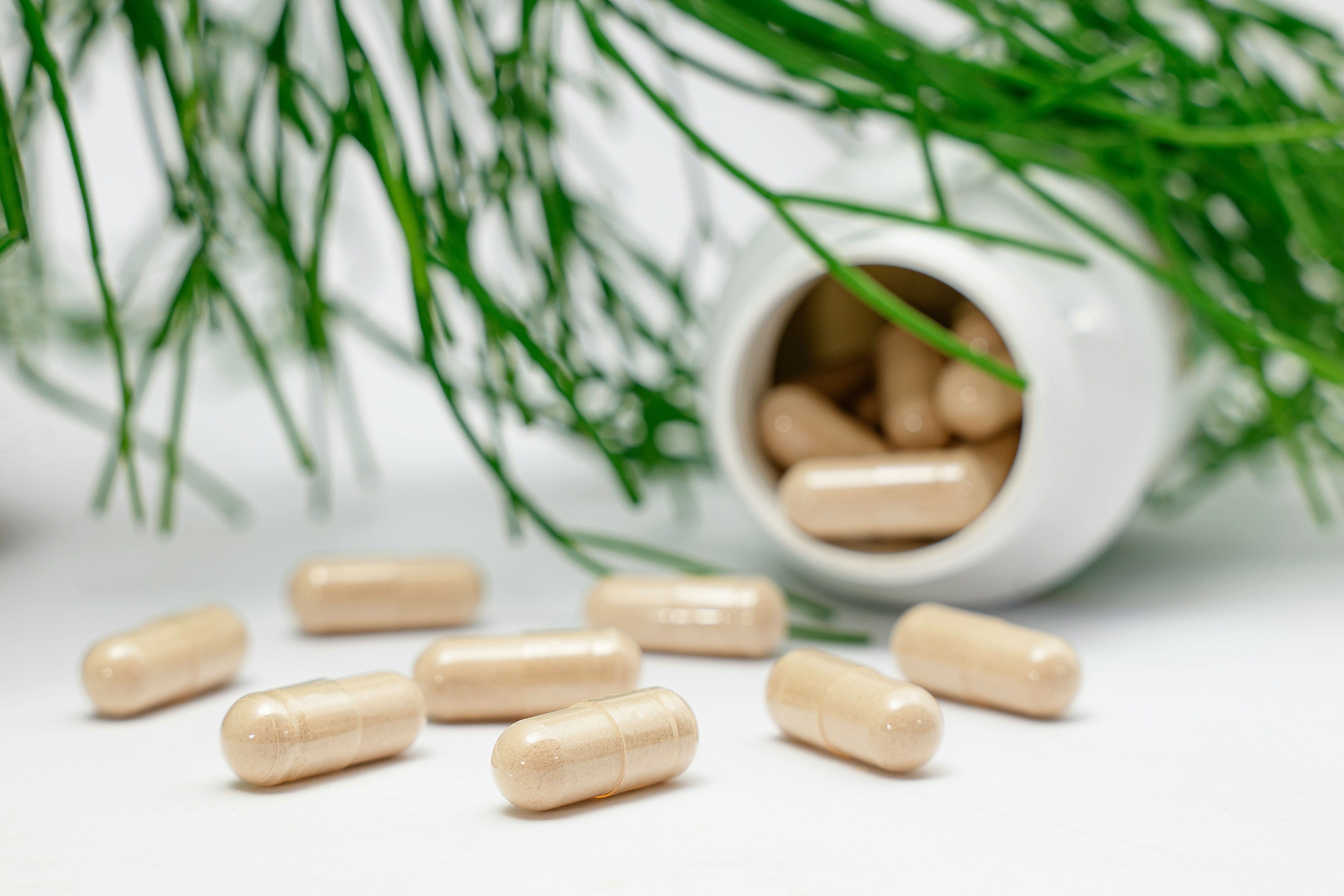
Even with $0 inventory, sample orders are strongly recommended. Samples help you evaluate packaging, shipping time, label accuracy, product appearance, taste, smell, texture, bottle condition, and customer unboxing experience. For supplements, samples are not just a branding check. They are part of basic risk control.
Step 6: Build a Store That Looks Trustworthy
Supplement customers often care about trust more than novelty. Your store should look clean, transparent, and easy to navigate. Avoid a cluttered layout, exaggerated pop-ups, fake countdown timers, and unrealistic promises. Include product pages, shipping policy, return policy, contact page, privacy policy, terms, and supplement disclaimers where appropriate.
Step 7: Write Product Pages Without Overclaims
Product copy is where many supplement stores create risk. A strong product page should help customers understand what the product is, what is inside, how to use it, who it may be suitable for, and what limitations apply.
Example of risky wording: “This supplement cures insomnia and eliminates anxiety naturally.”
More cautious wording: “This supplement is designed for customers building a relaxing nighttime routine. Review the ingredients, follow the suggested use, and consult a healthcare professional if you are pregnant, nursing, taking medication, or managing a medical condition.”
Step 8: Set Up Payments, Taxes, and Platform Rules
Payment processors and ecommerce platforms may treat supplements as a sensitive category. Some products, ingredients, claims, or marketing tactics can trigger reviews or restrictions. Read the terms of your ecommerce platform, ad platform, and payment provider before launching.
Step 9: Launch with a Small Product Catalog
A lean launch might include three to eight products in one niche. After launch, track product page views, add-to-cart rates, checkout completion, support questions, refunds, delivery issues, and repeat purchase behavior. The goal is to learn before investing heavily in branding or paid ads.
Step 10: Market Supplements Responsibly
Supplement marketing should be educational, transparent, and conservative. Instead of relying on dramatic claims, build content around routines, ingredient basics, comparison posts, customer questions, and product selection tips. Be careful with influencer content and require proper disclosure of paid partnerships.
Step 11: Manage Fulfillment and Customer Experience
Because you do not hold inventory, fulfillment depends on your supplier. Customers will still see you as the seller, even when another company ships the product. Keep a record of late shipments, damaged packages, incorrect items, and refund reasons. If one product creates repeated issues, remove it quickly.
Step 12: Consider Branding After Validation
Once you know which products customers want, you can consider branding upgrades. This may include custom packaging, inserts, branded tracking pages, product bundles, or private label options if your supplier can support them and compliance requirements are met.
- Stage 1: Test demand with dropshipping and no inventory.
- Stage 2: Keep top-performing products and remove weak ones.
- Stage 3: Improve product pages, email flows, and support.
- Stage 4: Add branded packaging if supplier capability and order volume justify it.
- Stage 5: Review private label options with legal and compliance support.
Common Risks in Supplement Dropshipping
Supplement dropshipping can be lean, but it is not risk-free. Main risks include unsupported health claims, supplier documentation gaps, shipping and temperature concerns, restricted ingredients, returns for opened products, and platform or ad account restrictions.
A Simple Launch Checklist
- Choose one focused supplement niche.
- Research demand and competitor positioning.
- Confirm supplier product availability and fulfillment terms.
- Request product labels, ingredient details, and documentation where applicable.
- Order samples when possible.
- Write product pages without disease claims or unrealistic promises.
- Add disclaimers and warnings where appropriate.
- Set up shipping, return, privacy, and terms pages.
- Check payment provider and ad platform policies.
- Launch with a small catalog.
- Track customer questions, refunds, and fulfillment issues.
- Remove risky or poor-performing products quickly.
How EPROLO Can Fit Into the Workflow
For sellers building a zero-inventory ecommerce business, EPROLO can support the broader dropshipping workflow, including product sourcing, order processing, fulfillment coordination, and branding options depending on product type and supplier capability. For supplement sellers specifically, the key is verification: confirm product availability, documentation, fulfillment terms, and destination requirements before publishing any listing.
FAQ
Can I dropship supplements without buying inventory?
Yes. With dropshipping, you can sell supplements without holding stock yourself. Orders are fulfilled by a supplier after customers purchase from your store. You should still budget for samples, compliance review, store setup, and marketing.
Is supplement dropshipping legal?
Supplement dropshipping can be legal, but it depends on the product, ingredients, claims, labels, supplier practices, target market, and sales channels. You must follow applicable laws and platform policies. Get professional advice before selling regulated products.
What supplement claims should I avoid?
Avoid disease claims and unsupported promises. Do not claim that a supplement diagnoses, treats, cures, or prevents disease. Avoid guarantees such as instant weight loss, permanent pain relief, or medical results.
Do I need FDA approval to sell supplements?
In the United States, dietary supplements are regulated differently from drugs. Certain structure/function claims may require a disclaimer and FDA notification by the manufacturer within 30 days after marketing. Consult a qualified compliance professional for your specific situation.
Can I use paid ads for supplement products?
Possibly, but supplement ads are often reviewed carefully. Ad platforms may restrict products, ingredients, landing pages, claims, before-and-after images, or body-related messaging.
Should I private label supplements from the beginning?
Not usually. Beginners may be better off testing demand first with a small dropshipping catalog. Private label can be useful later, but it may increase responsibilities around labeling, claims, supplier verification, and quality control.
How do I choose a supplement supplier?
Look for suppliers that provide clear product information, stable fulfillment, realistic shipping times, responsive communication, and documentation where applicable. Order samples when possible.
Final Thoughts
A supplement dropshipping business with $0 inventory is possible, but success depends on more than finding popular products. You need a focused niche, trustworthy suppliers, careful product pages, clear policies, reliable fulfillment, and responsible marketing. The safest way to begin is to start small, validate demand, confirm supplier capability, avoid medical claims, and build customer trust through transparency and support.
Related Reading
Written by Carry
CMO from EPROLO. With over 10 years of e-commerce experience, Carry specializes in dropshipping, website operation, and marketing strategies. She provides actionable insights that help online sellers grow, optimize their stores, and succeed in a competitive marketplace.
Editorial note: This article is intended for general ecommerce education and does not provide legal, regulatory, medical, or financial advice. Supplement sellers should verify supplier documentation, product suitability, market rules, advertising policies, and claim substantiation before selling. EPROLO-related workflows should be confirmed based on available products, supplier capability, fulfillment terms, and destination requirements.