The rapid expansion of online retail has transformed dropshipping into one of the most accessible and scalable business models for entrepreneurs worldwide. However, success in this competitive space depends heavily on selecting the right technological foundation.
Identifying the best e-commerce platform for dropshipping can be a complex and strategic decision rather than a simple preference. The platform you choose for your dropshipping business will influence your store's functionality, customer experience, and long-term growth potential.
This article evaluates 10 leading e-commerce platforms, focusing on their features, usability, scalability, and suitability for different business needs. You will be able to make an informed decision by comparing the strengths and limitations of each option.
Key Takeaways
- Platform choice is a strategic decision: The right e-commerce platform shapes your store's functionality, customer experience, and scalability. It's not just about preference but aligning with your business goals.
- Prioritize key factors for success: When evaluating platforms, focus on ease of use, seamless supplier integrations, built-in marketing tools, transparent pricing, and long-term scalability to support growth.
- Top platforms cater to different needs: Shopify offers ease and integration, WooCommerce provides ultimate control, BigCommerce excels at scalability, while Wix and Squarespace are great for design-focused beginners.
- Supplier integration is critical: A robust platform combined with a reliable dropshipping supplier like EPROLO, which offers automation, global logistics, and branding services, is key to building a scalable and profitable business.
Table of Contents
Key Factors for Choosing an E-commerce Platform for Dropshipping
Selecting the best ecommerce platforms for dropshipping business is a critical decision that shapes how efficiently your business operates and scales over time. Your choice should be guided by practical considerations, such as usability, integrations, cost, and long-term flexibility rather than marketing claims alone.
1. Ease of Use
A user-friendly interface ensures that you can set up and manage your store without extensive technical expertise. Platforms with intuitive dashboards, drag-and-drop builders, and guided onboarding processes allow you to focus on product selection and marketing rather than troubleshooting technical issues. This is especially valuable if you are launching your first store or managing operations independently.
In addition, ease of use impacts operational efficiency. When order processing, product uploads, and inventory tracking are streamlined, you reduce the likelihood of errors that could affect customer satisfaction. For example, a platform that allows bulk product imports can save hours of manual work when expanding your catalog.
Moreover, a simple backend reduces the learning curve for scaling your business. As your business grows, you may delegate tasks to team members, and a platform that is easy to navigate ensures consistency in operations. This continuity becomes essential when managing higher-order volumes and customer interactions.
2. Integration with Dropshipping Suppliers
Seamless integration with dropshipping suppliers is fundamental to a successful dropshipping model. A reliable e-commerce platform for dropshipping should support direct connections with popular supplier networks, enabling automated product imports, real-time inventory updates, and order fulfillment.
Integrations minimize manual intervention and reduce the risk of overselling or stock discrepancies. For instance, when a supplier updates inventory levels, your store should reflect those changes instantly, ensuring that customers only purchase available items. This synchronization enhances trust and prevents operational disruptions.
Furthermore, strong integration capabilities allow you to diversify your supplier base. By connecting with multiple vendors, you can offer a broader product range and mitigate risks associated with relying on a single supplier. This flexibility is particularly important in maintaining business continuity during supply chain fluctuations.
3. Built-in Tools
Comprehensive built-in tools can significantly enhance your store's performance without requiring additional software. Features such as SEO optimization, analytics dashboards, email marketing integrations, and abandoned cart recovery help you attract and retain customers more effectively.
These tools enable data-driven decision-making. For example, analytics can reveal which products generate the most revenue, allowing you to refine your inventory strategy. Similarly, marketing tools help you engage with customers through targeted campaigns, improving conversion rates over time.
Additionally, having essential tools within the platform reduces dependency on third-party applications, which can increase costs and complexity. A well-equipped platform allows you to manage multiple aspects of your business from a single interface, improving overall efficiency.

4. Pricing
Pricing structures vary widely, making it essential to evaluate both upfront and long-term costs. While some platforms offer low entry fees, additional expenses such as transaction fees, app subscriptions, and premium themes can accumulate quickly.
It is important to align pricing with your business stage and revenue expectations. For example, if you are testing a new niche, opting for one of the free e-commerce platforms for dropshipping may help you minimize initial risk. However, as your store grows, investing in a paid plan with advanced features may become necessary to support scalability.
Transparency in pricing is equally critical. You should assess what is included in each plan and identify any hidden costs that could impact profitability. A clear understanding of total expenses ensures that your platform choice remains sustainable as your business expands.
5. Customization and Scalability
Customization allows you to create a unique brand identity that differentiates your store in a competitive market. Platforms offering flexible design options, customizable themes, and access to code enable you to tailor the user experience according to your brand vision.
As your business grows, scalability becomes increasingly important. A robust platform should support higher traffic volumes, expanded product catalogs, and advanced functionalities without compromising performance. This ensures that your store can handle growth without requiring a complete migration.
Moreover, scalability includes the ability to integrate new tools and features as needed. Whether you are adding advanced analytics, automation tools, or international payment options, a scalable platform adapts to your evolving business requirements, supporting long-term success.
10 Best E-Commerce Platforms for Dropshipping
Choosing the right platform is essential to building a profitable and sustainable dropshipping business. Each platform offers a unique combination of features, integrations, and pricing structures, which means your decision should align with your technical expertise, budget, and long-term goals.
Below is a detailed evaluation of ten leading e-commerce platforms to help you determine which one best supports your operational and growth requirements.
1. Shopify
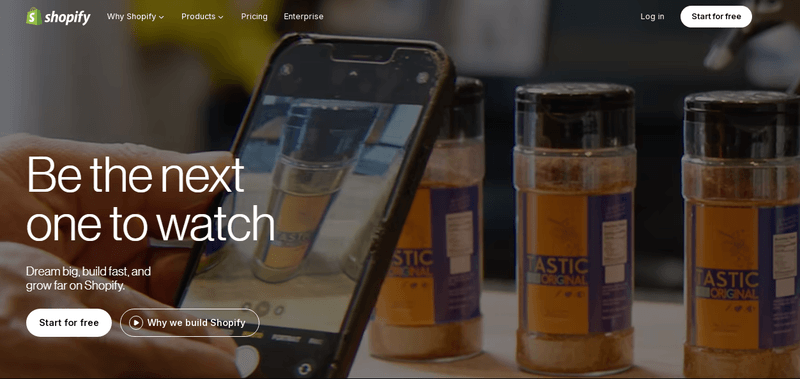
Shopify is widely recognized as one of the most reliable platforms for dropshipping due to its ease of use and extensive app ecosystem. It provides a fully hosted solution, allowing you to launch and manage your store without dealing with technical complexities. With seamless integrations for dropshipping tools, Shopify is particularly suitable if you want a streamlined, scalable solution.
Pros:
- User-friendly interface with quick setup
- Extensive app marketplace for dropshipping integrations
- Reliable hosting and security included
- Excellent customer support
Cons:
- Monthly subscription costs can add up
- Transaction fees unless using Shopify Payments
- Limited customization without coding knowledge
Pricing
Shopify offers tiered pricing plans starting from basic packages suitable for beginners to advanced plans designed for scaling businesses.
- Basic Plan: $29/month
- Grow Plan: $79/month
- Advanced Plan: $299/month
- Plus: $2300/ month
Additional costs: Transaction fees from 2.25% + 30¢ (unless using Shopify Payments), paid apps ($5–$100+/month), and premium themes ($100–$350 one-time).
2. WooCommerce
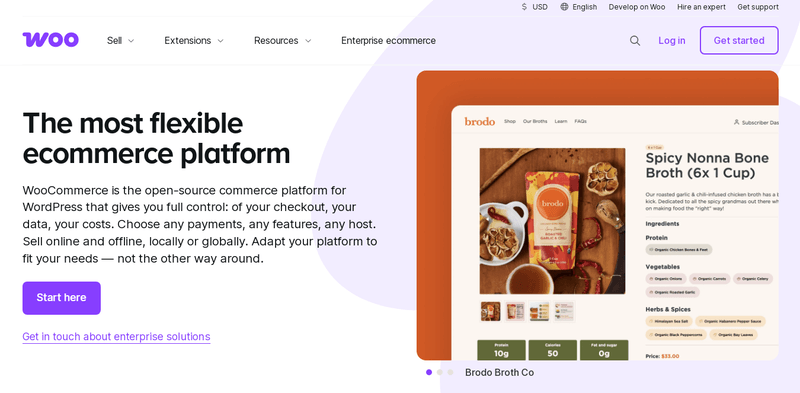
WooCommerce is a powerful, open-source plugin for WordPress that offers complete control over your e-commerce store. It is ideal if you prefer flexibility and customization, allowing you to tailor every aspect of your dropshipping business.
Pros:
- Highly customizable and flexible
- No platform subscription fees
- Large community and plugin ecosystem
- Full control over website data
Cons:
- Requires technical knowledge for setup and maintenance
- Hosting and security are your responsibility
- Performance depends on hosting quality
Pricing
WooCommerce itself is free, but you will incur costs for hosting, domain registration, themes, and plugins, which can vary depending on your requirements.
- Plugin: Free
- Domain: $10–$15/year
- Hosting: $5–$50/month (shared hosting) or $50–$200+ (VPS/dedicated)
- SSL Certificate: $0–$200/year (free options available)
- Themes: $0–$100 one-time
- Plugins: $0–$200/year each
- Estimated annual cost: $70–$2500+
3. BigCommerce
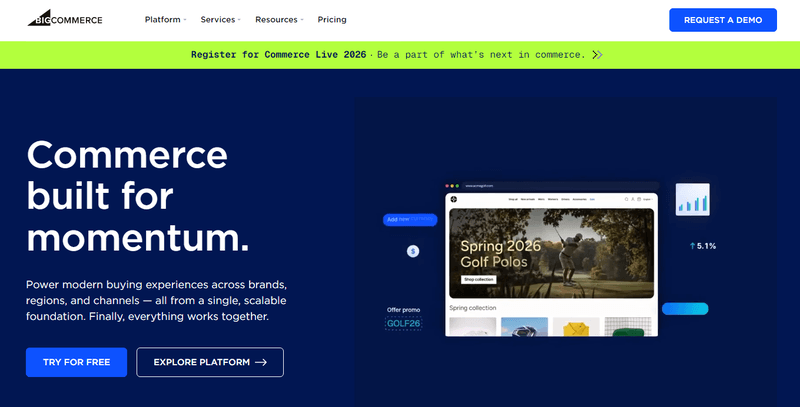
BigCommerce is a robust platform to start a dropshipping business, it's designed for scalability and performance. It offers built-in features that reduce reliance on third-party apps, making it a strong option if you anticipate rapid growth. The platform features advanced SEO capabilities, flexible APIs, support for evolving agentic commerce capabilities, and multi-channel selling options that allow you to expand your reach across marketplaces and social platforms.
Pros:
- No transaction fees
- Strong built-in features and analytics
- Scalable for large product catalogs
- Multi-channel selling support
Cons:
- Higher pricing compared to some competitors
- Learning curve for beginners
- Limited free themes
Pricing
BigCommerce provides multiple pricing tiers based on your annual revenue and feature requirements, making it suitable for both small and enterprise-level businesses.
- Standard: $29 per month
- Plus: $79 per month
- Pro: $299
- Custom
4. Wix
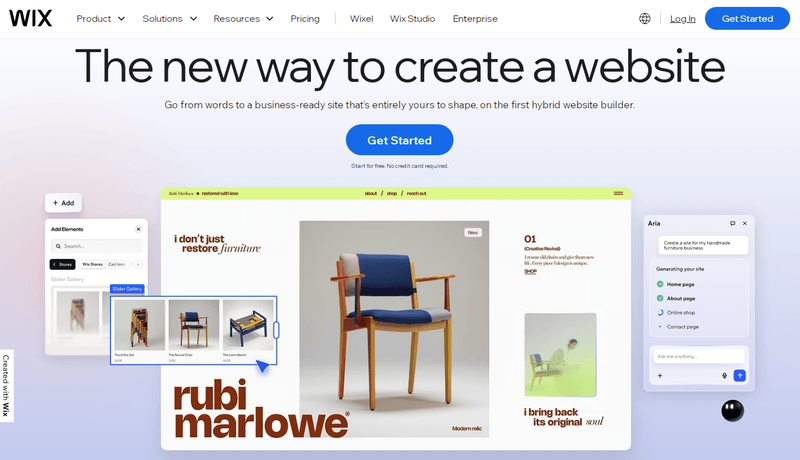
Wix is known for its intuitive drag-and-drop website builder, making it an attractive option if you prioritize design flexibility and ease of use. It has expanded its e-commerce capabilities to support dropshipping integrations effectively.
Pros:
- Beginner-friendly interface
- Visually appealing templates
- Built-in hosting and security
- App market for additional features
Cons:
- Limited scalability for large stores
- Less advanced ecommerce features compared to competitors
- Template switching limitations
Pricing
Wix offers various pricing plans, including business and ecommerce tiers. Costs increase based on storage, features, and advanced capabilities.
- Light: $17 per month
- Core: $29 per month
- Business: $39 per month
- Business Elite: $159 per month
5. Squarespace
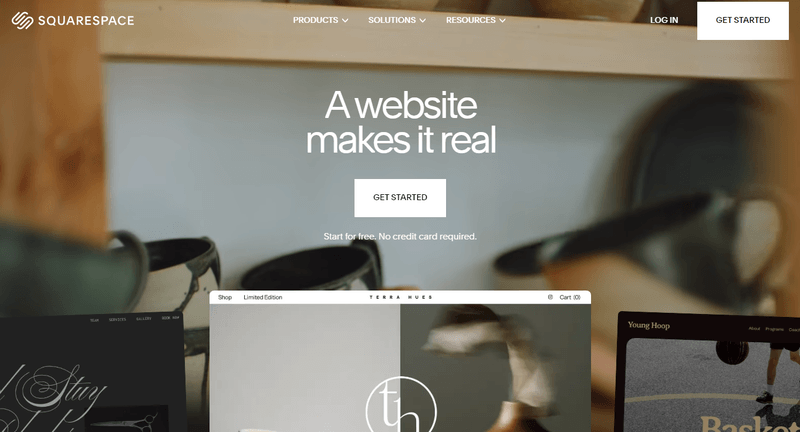
Squarespace is a design-focused platform that combines aesthetics with functionality. It is particularly suitable if your dropshipping business relies heavily on visual branding and storytelling. The professionally designed templates and intuitive editing tools enable you to create a visually cohesive and engaging online store with minimal effort.
Pros:
- High-quality, professional templates
- All-in-one platform with hosting included
- Built-in marketing and analytics tools
- Strong design customization options
Cons:
- Limited dropshipping integrations
- Less flexibility compared to open-source platforms
- Not ideal for large-scale operations
Pricing
Squarespace offers subscription-based pricing with e-commerce features included in higher-tier plans, making it accessible for small to medium-sized businesses.
- Basic: $12 per month
- Core: $17 per month
- Advanced: $25 per month
6. Ecwid
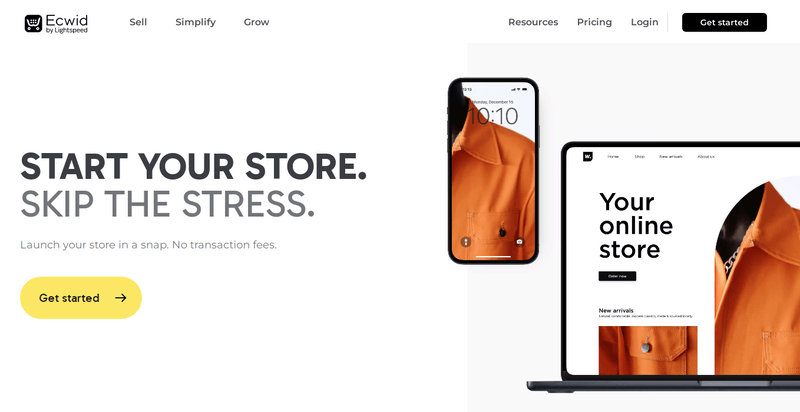
Ecwid is a versatile e-commerce solution that allows you to add an online store to an existing website. This makes it an excellent choice if you already have a website and want to integrate dropshipping functionality without rebuilding from scratch.
Pros:
- Easy integration with existing websites
- Free plan available
- Multi-channel selling capabilities
- Lightweight and fast
Cons:
- Limited customization compared to standalone platforms
- Advanced features require paid plans
- Smaller app ecosystem
Pricing
Ecwid offers a free plan with basic features, while premium plans unlock advanced tools, such as automation and expanded product listings.
- Starter: $5 per month
- Venture: $29 per month
- Business: $49 per month
- Unlimited: $119 per month
7. Shift4Shop
Shift4Shop is a comprehensive e-commerce platform offering a wide range of built-in features. It is particularly appealing if you want an all-in-one solution without relying heavily on third-party apps. The extensive native tools for SEO, product management, and marketing allow you to manage most aspects of your store from a single platform.
Pros:
- Feature-rich platform with built-in tools
- No monthly fee for eligible users (US-based payment processing)
- Strong SEO capabilities
- Scalable infrastructure
Cons:
- Limited availability outside certain regions
- Interface may feel outdated
- Steeper learning curve
Pricing
Shift4Shop offers a free plan under specific conditions, while paid plans are available for businesses that do not meet eligibility requirements.
- Basic: Free
- Unlimited: $41 per month
8. TikTok Shop
TikTok Shop is a free ecommerce platform for dropshipping, it represents a modern approach to e-commerce by integrating product sales directly within a social media platform. It is particularly effective if you rely on selling trending products, content-driven marketing, and influencer collaborations.
Pros:
- Direct access to a large audience
- Seamless integration with content marketing
- High potential for viral product exposure
- Simplified purchasing process
Cons:
- Limited control over branding compared to standalone stores
- Dependence on platform algorithms
- Not a traditional e-commerce website solution
Pricing
TikTok Shop is essentially a free sales channel. It operates on a commission-based model, with fees applied per transaction rather than through monthly subscriptions.
- Fee Calculation Method: Commission = ((Net Sales + Customer-paid Shipping Fee + Platform Discount) - (Net Sales Refund + Platform Discount Refund)) * Rate
- Marketplace Commission (Referral Fee): Typically, 6% for most categories (e.g., fashion, beauty, home). It can range from 2%–8% depending on the product category, location, and seller level.
- Transaction Fee: A fee of around 2.5% for processing orders.
Additional costs apply if you participate in the creator affiliate program or specific platform campaigns. New sellers often get a reduced commission rate for the first 30 days.
9. OpenCart
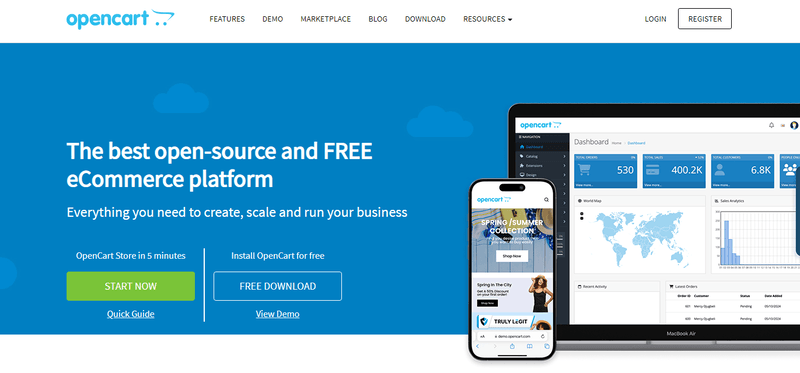
OpenCart is an open-source e-commerce platform that offers flexibility and control similar to WooCommerce. It is suitable if you have technical expertise and want to build a highly customized dropshipping store. Its modular architecture and extensive extension marketplace allow you to tailor functionality according to your specific business requirements.
Pros:
- Free and open-source
- Highly customizable
- Large library of extensions
- Full control over store functionality
Cons:
- Requires technical knowledge
- Limited built-in features
- Support depends on community resources
Pricing
OpenCart is free to use. But you will need to budget for hosting, domain registration, and any premium extensions or themes.
- Platform price: Free
- Themes: $20-$100 (one-time)
- Plugins: $26-$60 (one-time)
- Domain: $10–$15/year
- Hosting: $5–$50/month (shared hosting) or $50–$200+ (VPS/dedicated)
- SSL Certificate: $0–$200/year (free options available)
- Total Cost: $70-$2500+
10. Weebly
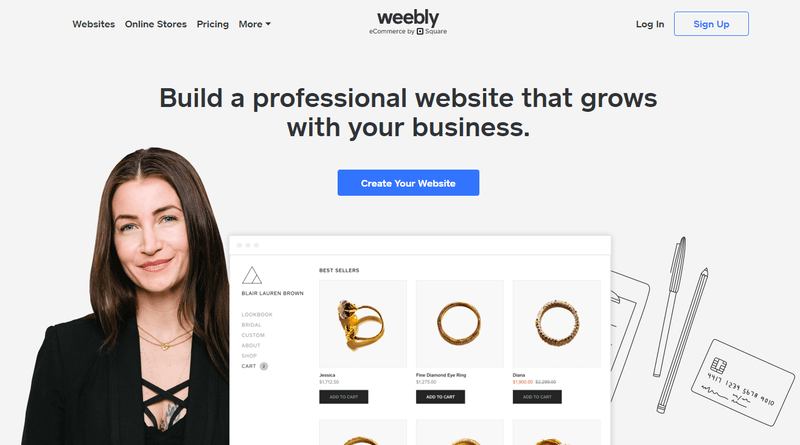
Weebly is a simple website builder that offers e-commerce functionality suitable for small-scale dropshipping businesses. It is particularly useful if you want a straightforward setup with minimal technical requirements.
Pros:
- Easy-to-use interface
- Affordable pricing plans
- Built-in hosting and security
- Suitable for beginners
Cons:
- Limited advanced e-commerce features
- Less scalability for growing businesses
- Smaller app ecosystem
Pricing
Weebly offers a range of pricing plans, including a free option with basic features. Paid plans provide access to e-commerce tools and enhanced functionality.
- Basic: Free
- Personal: $10 per month
- Professional: $12 per month
- Performance: $26 per month
Which E-commerce Platform Is Best for Your Dropshipping Business?
Choosing the right platform depends on your experience, goals, and budget. Some platforms are beginner-friendly, while others offer advanced features for scaling. Here's a practical guide with specific platform recommendations:
For Beginners (Easy Setup & Minimal Technical Work):
- Shopify – Quick to launch, user-friendly, with extensive dropshipping integrations. Great for testing products and marketing.
- Wix – Drag-and-drop builder with built-in hosting and security, ideal for visually appealing stores.
- Weebly – Simple interface and low-cost entry, suitable for small-scale stores.
- TikTok Shop – Free to join, integrates directly with social media marketing, perfect for trending products and influencer promotions.
For Experienced Sellers (Customization & Scalability):
- WooCommerce – Highly customizable, full control over design and data, ideal if you are comfortable with WordPress and hosting setup.
- BigCommerce – Scalable platform with strong analytics, multi-channel selling, and no transaction fees. Good for growing catalogs and high-order volumes.
- OpenCart – Free, open-source solution with full customization, best if you have technical skills and want to build a unique store.
- Shift4Shop – Feature-rich, scalable platform with built-in tools for SEO and marketing, suitable for mid-to-large operations.
Factors to Evaluate Across All Platforms:
- Ease of Use: Can you manage orders, products, and inventory without constant technical help?
- Supplier Integration: Does it connect with dropshipping suppliers for automated imports and stock updates?
- Pricing & Fees: Check monthly plans, transaction fees, and app costs.
- Marketing Support: Can it integrate with social media, email campaigns, and SEO tools?
- Support & Resources: Reliable customer service and community support are crucial for troubleshooting and growth.
Pick a platform that matches your experience level and business goals. Beginners should prioritize ease of setup and supplier integrations, while advanced sellers need customization, scalability, and control. Platforms like Shopify, Wix, and TikTok Shop are great starting points, while WooCommerce, BigCommerce, and OpenCart offer flexibility for growth and long-term success.
EPROLO: Best Dropshipping Supplier to Connect With Your E-commerce Platform
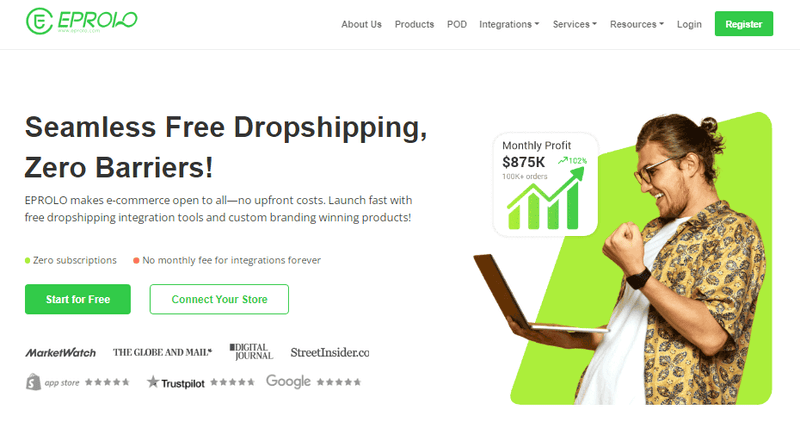
EPROLO stands out as a reliable dropshipping supplier that integrates seamlessly with multiple e-commerce platforms. Its all-in-one approach simplifies supply chain management, allowing you to manage sourcing, fulfillment, and branding from a single interface while maintaining efficient operations.
Key Features:
- Seamless integration with major e-commerce platforms like Shopify, Woocommerce, and TikTok Shop
- Automated order fulfillment to reduce manual workload
- Product sourcing with a wide range of items
- Global warehouses with multiple shipping options for faster delivery
- Private labeling and branded packaging for custom branding
- Responsive customer service to support sellers and resolve issues efficiently
With its strong automation capabilities and global logistics network, EPROLO helps streamline operations so you can focus more on marketing and customer engagement. At the same time, its branding options enable you to build a distinct identity, making it a versatile partner for dropshipping businesses at any stage of growth.
Frequently Asked Questions (FAQ)
Which e-commerce platform is best for dropshipping?
The best platform depends on your business needs, technical skills, and budget. Platforms with strong supplier integrations, user-friendly interfaces, and scalable features are generally the most effective for dropshipping operations. You should consider factors such as ease of use, pricing, and customization options when making your decision. Evaluating these aspects ensures that the platform aligns with your operational requirements and growth strategy. Additionally, testing different platforms through trial periods can help you identify which one best suits your workflow. This practical approach reduces the risk of committing to an unsuitable solution.
Which e-commerce platform is best for beginners?
Beginners typically benefit from platforms that offer simple setup processes and intuitive interfaces. These platforms reduce the learning curve and allow you to focus on building and marketing your store. Features such as drag-and-drop builders, pre-designed templates, and built-in integrations are particularly valuable for new users. They enable you to launch quickly without requiring technical expertise. As your business grows, you can transition to more advanced features within the same platform or consider upgrading to a solution that offers greater flexibility and control.
How do e-commerce platforms work for dropshipping?
E-commerce platforms act as the central hub for your online store, allowing you to list products, process orders, and manage customer interactions. In a dropshipping model, these platforms connect with suppliers who handle inventory and shipping. When a customer places an order, the platform automatically forwards the details to the supplier. The supplier then fulfills the order and ships the product directly to the customer, eliminating the need for you to manage inventory. This system simplifies operations and reduces upfront costs, making dropshipping an accessible business model. However, it also requires careful coordination with suppliers to ensure timely delivery and product quality.
E-commerce platforms vs marketplaces: what's the difference for dropshipping?
E-commerce platforms allow you to create and manage your own online store, giving you full control over branding, pricing, and customer experience. In contrast, marketplaces provide a shared environment where multiple sellers list products. Marketplaces limit your control over branding and customer relationships. This can make it more challenging to build a distinct identity and long-term customer loyalty. On the other hand, e-commerce platforms provide greater flexibility and ownership, enabling you to establish a unique brand. For dropshipping businesses focused on long-term growth, this level of control is often more advantageous.
Read More from EPROLO Blog
- The Lululemon Blueprint: How a $60B Empire Redefined Fashion
- The Fashion Nova Growth Engine: How to Build a Viral Empire with Zero Ad Spend
- The Gymshark Blueprint: From Pizza Delivery to a $1.3B Fitness Empire
- The SKIMS Playbook: How to Build a $5B Solutions Brand
- The Comfrt Case Study: Scaling a $700M Purpose-Driven Powerhouse
Written by Aria
Aria is an eCommerce writer and content strategist with a focus on dropshipping and digital entrepreneurship. She is passionate about helping online sellers succeed and creates clear, actionable guides on product trends, marketing strategies, and business growth.