Dropshipping beauty products is one of the most accessible entry points for new e-commerce entrepreneurs. The global cosmetics market continues to expand, demand for niche and trending skincare runs consistently high across TikTok and Instagram, and the overhead of a digital-first beauty brand is lower than ever. But sourcing the right products, pricing them to cover ad spend and returns, and keeping liquid formulas intact during shipping are challenges that catch even experienced store owners off guard.
Key Takeaways
- Beauty dropshipping in the US is legal and profitable when products strictly adhere to FDA MoCRA compliance and avoid unsubstantiated health claims.
- Sustainable pricing models must include a 6% return and chargeback reserve alongside sufficient CAC margin cushion for paid ad spend.
- Verified cosmetics suppliers should readily provide business registration certificates, full INCI ingredient disclosures, SDS sheets, and paid sample options.
- Consumable products in targeted skincare, hair care, and men's grooming drive stronger 30-to-60-day repeat purchase behavior and lifetime value.
- Temperature-sensitive liquid cosmetics require thermal insulated packaging and automated weather-hold rules during winter dispatches.
Table of Contents
Is Dropshipping Beauty Products Profitable and Legal for Beginners?
Yes, beauty dropshipping is legal and profitable, provided you meet regulatory standards and build healthy profit margins. According to Beauty Report, the global market is expanding toward $590 billion, proving sustained consumer demand across sub-niches. But there are important nuances that separate successful beauty store owners from those who face account bans, chargebacks, or legal notices.
Legal basics for beginners in the USA: You do not need a specific beauty license to operate a beauty products dropshipping store. However, if you are selling products that contain ingredients regulated by the FDA - such as cosmetics, skincare, or hair care items - you must ensure the products you list are compliant with the FDA cosmetics regulations, including the MoCRA. The supplier is primarily responsible for ingredient compliance, but as the seller, you cannot list products with false or misleading claims.
Profitability depends heavily on three factors: the supplier's cost price, your ability to run profitable paid traffic, and how well you manage product returns. Beauty products can experience elevated return risks, especially color cosmetics, because customers cannot fully evaluate shade, texture, or skin compatibility before purchase. Skincare and cosmetic products typically see online return rates of 5 to 10 percent. Color cosmetics (foundation, concealer) trend toward the higher end due to skin tone mismatch, while skincare serums and moisturizers sit at the lower end. Building that margin cushion in from day one is essential.
How to Find High-Margin Beauty Products and Tell If They Are Too Saturated?
Finding products with strong profit margins in the beauty space requires separating genuine demand signals from hype cycles that have already peaked. Here is the process successful beauty store owners use:
Step 1 - Validate demand with Google Trends and Amazon data. A product that shows consistent or rising search volume over 90 days - not just a single viral spike - signals durable demand. Use Google Trends to compare the product keyword against its broader category. If the niche keyword is outpacing the parent category, the sub-niche may still have room.
Step 2 - Check saturation on AliExpress and Amazon. Search the product on AliExpress and count how many suppliers offer the same item. More than 10 suppliers with identical product photos usually means the item is widely saturated. Then search the same keyword on Amazon and note the number of results and review counts. Products with fewer than 200 Amazon results and no dominant branded player often still have whitespace.
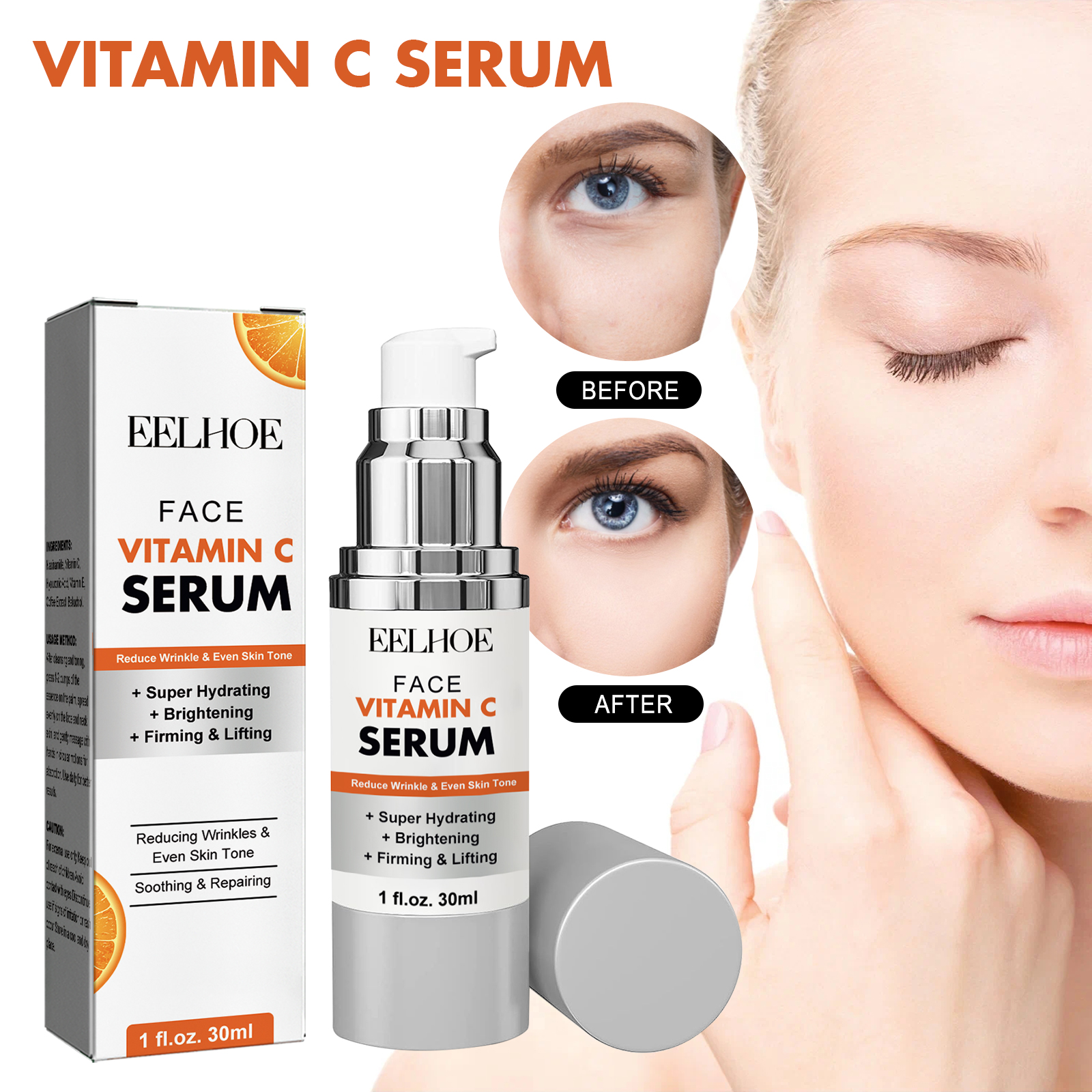
Step 3 - Look for differentiated angles. The saturation test is not just about the product itself. It is about the story. A vitamin C serum is saturated. A vitamin C serum with a specific botanical extract, backed by a unique formulation narrative, targeted at a specific skin concern for a defined audience (sensitive skin, post-procedure skin, melanin-rich skin) is not. Margin improves when you can command a story that justifies a higher retail price.
How to Source and Verify If an Online Cosmetics Supplier Is Legitimate and Safe?
Vetting a beauty supplier before adding their inventory to your store is the single most important risk-mitigation step in this business. A beautiful store with viral products from an unverified supplier is a liability, not an asset.
Key verification steps:
- Request a business registration certificate. Legitimate suppliers will have a registered business entity. Ask for this before placing any sample order.
- Request ingredient and safety reports. Reputable beauty suppliers carry Safety Data Sheets (SDS) and Ingredient documents for their formulations. If a supplier cannot produce these, that is a red flag.
- Order a physical sample. Always order at least two samples of any product before committing. Evaluate packaging quality, product texture, fragrance strength, and whether the product arrives intact and sealed.
- Check for a US-based contact or compliance officer. Suppliers who dropship internationally from China or South Korea often have limited English-language support. If your store targets US customers, having a supplier who can respond to compliance or customer service inquiries within 24 hours is critical.
- Use platforms with buyer protection. Sourcing through EPROLO, which vets its suppliers and offers order tracking and dispute resolution, reduces the risk of receiving misrepresented products.
How to Price Beauty Inventory to Cover Ad Spend and Returns?
Beauty products have unique pricing dynamics. Because return rates in cosmetics run higher than in most other categories, your pricing model must account for returned inventory that cannot be resold, chargeback fees from disputed transactions, and the cost of customer acquisition through paid social.
The beauty pricing formula:
Retail Price = (Supplier Cost + Shipping + Payment Processing Fees) divided by (1 - Return Rate Reserve - Ad Spend Reserve - Profit Margin Target)
As a practical example: if your supplier costs $8.00 per unit, shipping is $1.50, and payment processing is $0.50, your base cost is $10.00. If you target a 6 percent return and chargeback reserve (suitable for skincare serums), 34 percent ad spend reserve (CAC), and 20 percent net margin, your total margin requirement is 60 percent. Dividing your $10.00 base cost by 0.40 results in a retail price of $25.00. Note: For color cosmetics like foundation or concealer with elevated return rates (up to 10%), increase your return reserve to 8-10% to protect net profitability.
Psychological pricing tactics that work in beauty: Setting a serum at $24.99 instead of $25.00, or a bundle at $47.99 instead of $48.00, consistently outperforms round numbers in e-commerce A/B testing. The .99 ending triggers a left-digit anchoring effect. The customer perceives the price as belonging to a lower tier.
What Beauty Sub-Niches Have the Highest Customer Lifetime Value?
Not all beauty sub-niches are equal when it comes to repeat purchase behavior and customer lifetime value (LTV). The highest-LTV beauty sub-niches share one common trait: the product is consumable and requires regular replenishment.
Top LTV beauty sub-niches for 2026:
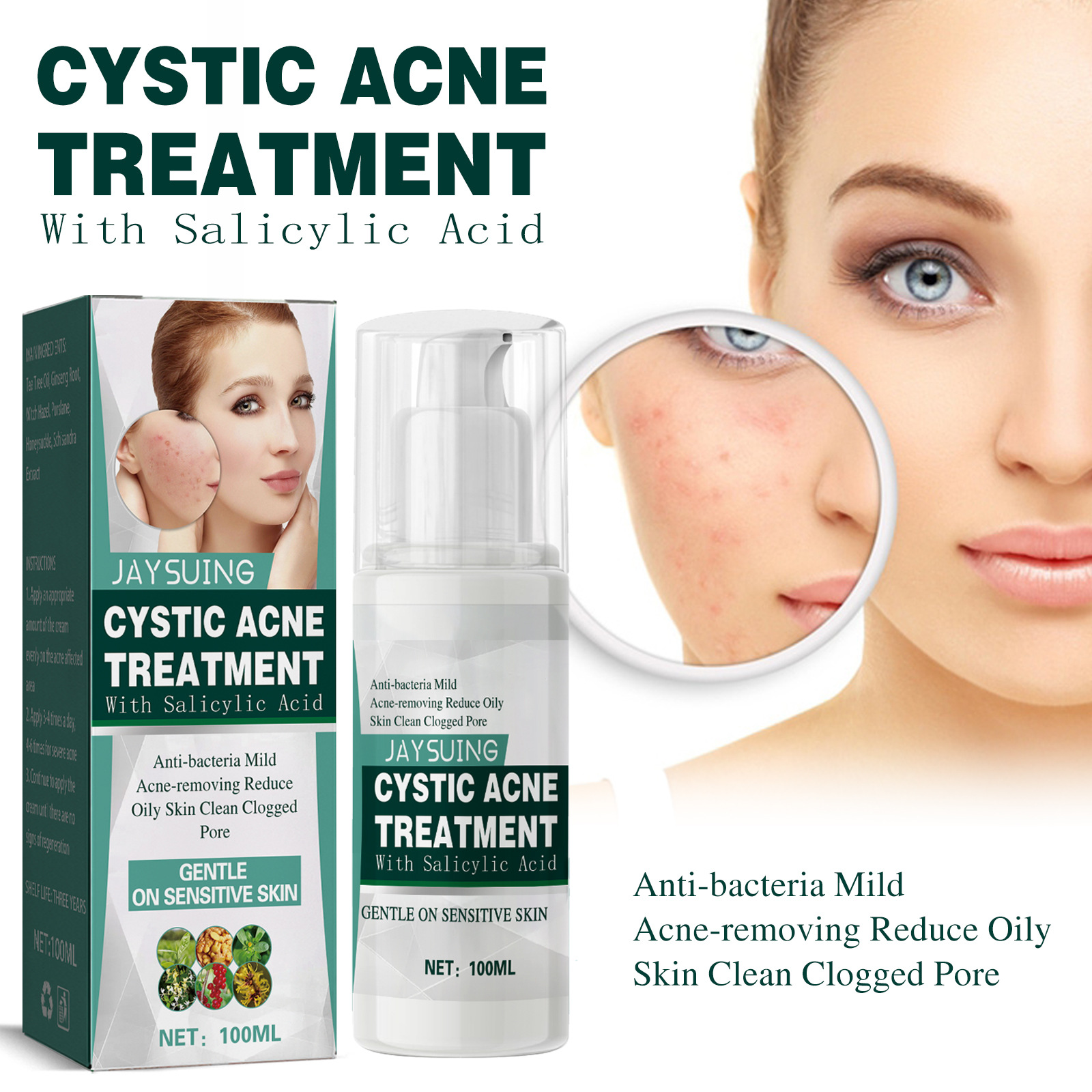
- Skincare for specific skin concerns - Acne treatment sets, hyperpigmentation serums, rosacea-friendly moisturizers. These are consumable, and customers repurchase every 30 to 60 days.
- Hair growth and scalp care - Growth serums, scalp exfoliators, hair loss prevention oils. Subscription-like repurchase patterns make these high-LTV.
- Clean and cruelty-free beauty - Customers in this segment actively seek out brands that align with their values, show higher brand loyalty, and are less price-sensitive.
- Men's grooming - A consistently underserved market online. Beard care, skincare for men, and male-targeted haircare have lower competition and strong repeat purchase rates.
- Self-tanning and body skincare - Seasonal but highly repurchasable. Customers who tan regularly rebuy every few weeks.
How to Prevent Liquid Freezing or Damage During Seasonal Shipping?
One of the most underappreciated operational challenges in beauty dropshipping is temperature-sensitive shipping. Liquid cosmetics - serums, creams, gels - are susceptible to freezing in cold weather and heat damage in summer. A frozen and thawed serum can separate, change texture, or become ineffective. If a customer receives a damaged product and leaves a negative review, the damage to your brand extends far beyond the unit cost.
How to protect liquid products during seasonal shipping:
- Use insulated packaging with thermal liners. Work with your supplier to use foam-lined or mylar-bubble insulated mailers for all liquid shipments during winter months (November through March in northern US states).
- Specify cold-chain logistics providers. During extreme cold, ensure your supplier ships via carriers that use temperature-controlled trailers. This typically adds $1 to $3 per unit in shipping cost. Worth it to prevent product loss and negative reviews.
- Set regional restrictions on cold-sensitive products. If your supplier cannot guarantee cold-chain delivery to northern states in January, restrict those SKUs from shipping to affected zip codes during the freeze season, and display a clear message to customers at checkout.
- Monitor weather patterns before dispatching. Use your supplier dashboard to hold orders during freeze alerts. EPROLO's tracking system allows store owners to pause shipments when weather-related delays are forecasted along the route.
What Are the Supplier Red Flags That Will Ruin an E-commerce Brand?
The difference between a scalable beauty brand and one that collapses within six months often comes down to the supplier relationship. Here are the supplier red flags that most reliably predict problems:
- No sample order capability. If a supplier refuses to send samples, or only offers samples at prices that obscure the real unit cost, walk away. Legitimate suppliers understand that samples are part of the verification process.
- Images that appear stolen from major brands. Use reverse image search (Google Images or TinyEye) to check whether your supplier's product photos originated from Glossier, The Ordinary, Drunk Elephant, or other established brands. Selling products using stolen photography exposes you to trademark infringement lawsuits.
- Vague or nonexistent ingredient disclosures. If a supplier cannot tell you the full INCI ingredient list (International Nomenclature of Cosmetic Ingredients) for their products, they may be selling formulations that contain prohibited or restricted substances in the US or EU markets.
- Unrealistic shipping promises. A supplier claiming 5-day worldwide delivery from their US warehouse when based in Guangzhou is lying. If the math does not add up, the supplier is either lying about their location or using drop-shipment terminology to obscure a long transit time.
- No order tracking integration. Suppliers that cannot provide automated order tracking updates to your Shopify or WooCommerce store will generate customer service tickets, disputes, and chargebacks at a rate that makes the business unsustainable.
- Copycat packaging. If a supplier offers designer-style packaging that closely resembles a luxury brand's packaging - same color palette, same font style, same logo placement - that supplier is selling counterfeit or infringing goods. Listing these products creates personal legal liability for you as the seller.
Secure a High-Converting Cosmetics Supply Chain Today
Building a sustainable beauty dropshipping brand in 2026 comes down to three things: sourcing verified products from reputable suppliers, pricing with enough margin to absorb high return rates and paid acquisition costs, and protecting your store from the supplier red flags that derail so many new beauty e-commerce entrepreneurs before they get traction.
EPROLO connects store owners with a curated network of beauty and cosmetics suppliers, verified for product quality, shipping reliability, and compliance documentation. With integrated order tracking, automated fulfillment, and dedicated support for private-label and branding options, EPROLO gives your beauty store the supply chain infrastructure it needs to scale - without requiring you to hold a single unit of inventory.
Frequently Asked Questions (FAQs)
Q1: Do I need a license to sell dropship beauty products online?
In most US states, you do not need a specific cosmetics seller license to dropship beauty products, provided your supplier holds the required regulatory compliance for the products. However, some states require a reseller permit or sales tax license to collect and remit sales tax on taxable goods. You should also verify that your supplier's formulations comply with FDA cosmetics regulations before listing any product. If you are dropshipping internationally into the US, the importer of record - typically your supplier - is responsible for FDA MoCRA compliance, but you as the seller are responsible for ensuring the products you list do not make false or misleading claims.
Q2: Can I put my own logo on dropshipped cosmetics?
Yes, many beauty suppliers - including those available through EPROLO - offer private-label services that allow you to apply your own logo, packaging design, and label copy to their formulations. This is commonly called private label or white label beauty products. Minimum order quantities vary by supplier, but many offer MOQs as low as 50 to 100 units per SKU for basic private-label customization. Before proceeding, confirm that your supplier has the legal right to allow rebranding of their formulations and that the formulations themselves are FDA-compliant.
Q3: How do I handle international customs clearance for skincare liquids?
International liquid shipments face additional customs documentation requirements that vary by destination country. For US imports, skincare liquids containing certain ingredients may require a Prior Notice of Cosmetic Product Registration with the FDA before shipment. Your supplier should provide a commercial invoice listing the product's full INCI ingredient list, the declared value, and the country of origin. For EU imports, REACH compliance documentation is required for all cosmetic formulations. Work with a freight forwarder experienced in cosmetics shipments if you are shipping internationally, as incorrect documentation is the most common cause of customs holds for liquid beauty products.
Q4: What should I do if a customer has an allergic reaction to a product?
Allergic reactions to cosmetics, while uncommon with properly formulated and labeled products, can occur when a customer has a sensitivity to an ingredient not listed on the label or undisclosed in the product listing. If you receive a report of an allergic reaction, take the following steps immediately: First, ask the customer for a photo of the reaction and the product lot number. Second, direct the customer to seek medical attention if the reaction is severe. Third, issue a full refund without requiring a return, as requesting return of a product associated with a health concern is a liability risk. Fourth, report the incident to your supplier and request their ingredient and batch safety documentation. Fifth, consider removing the SKU from your store pending investigation. Always include a clear allergen disclosure statement and ingredient list on every product listing to reduce this risk before it occurs.
Q5: Why do beauty products have higher chargeback rates on Reddit?
Beauty products consistently rank among the highest-chargeback categories on e-commerce platforms, and Reddit communities - particularly r/Ecommerce, r/Dropshipping, and product-specific subreddits - are hotspots for coordinated chargeback activity. The primary reasons beauty products attract elevated chargeback rates are: skin tone mismatch (makeup buyers dispute charges when the shade they receive does not match their expectations), perceived ineffectiveness (skincare buyers who do not see dramatic results within days sometimes request chargebacks rather than following a proper trial period), "item not received" disputes (beauty products shipped internationally with longer transit times give customers a longer window to file disputes while the product is still in transit), and chargeback farming communities (Reddit threads and Discord servers openly discuss chargeback strategies, sometimes targeting small Shopify stores with no fraud prevention infrastructure). Protect yourself by using a payment processor with robust fraud screening, capturing proof of delivery, and maintaining clear product listings with accurate photos and ingredient disclosures.
Related Reading
- Best 30 Dropshipping Beauty Products for 2026
- Your Roadmap to Private Label Dropshipping: 9 Suppliers You Need to Know
- The Brutal Truth: 10 Pros and Cons of Dropshipping (What No One Tells You)
- How to Build a Branded Dropshipping Store Without Holding Inventory in 2026
- Best Ecommerce Fulfillment Solutions for 2026
- The Comprehensive Guide to Dropshipping Fulfillment in 2026
Written by
Josie is a skilled marketing specialist with expertise in TikTok, Facebook, and YouTube. She excels at audience growth and social media account management, consistently delivering valuable insights across key social marketing channels. Her strategic approach helps brands build meaningful engagement and expand their digital presence effectively.
Editorial note: This article is for informational purposes only and does not constitute legal, financial, medical, or business advice. Product rules and supplier capabilities may change; verify current requirements before selling or importing cosmetics.