If you're wondering what carrier does AliExpress use, here's the short answer: it depends on the supplier, where the package is going, and which shipping method you pick at checkout. AliExpress sellers don't all use the same carrier. Some ship with AliExpress Standard Shipping, others use Cainiao, China Post, ePacket (on certain routes), or private couriers like DHL, FedEx, UPS, or EMS.
For most dropshipping orders, AliExpress Standard Shipping is a solid starting point. It usually goes through Cainiao and then gets handed off to a local carrier in the buyer's country. It's a good middle ground for cost, tracking, and dispute protection. Economy options are cheaper, but they're harder to use for customer-facing stores since tracking can go silent early on.
Key Takeaways
- AliExpress gives you several shipping options for dropshipping: AliExpress Standard Shipping, ePacket, Cainiao, DHL, FedEx, and UPS.
- For most dropshippers, AliExpress Standard Shipping hits the sweet spot between cost, tracking reliability, and delivery speed.
- The carrier you get depends on the supplier, the destination country, and the shipping method you choose at checkout.
- Premium carriers like DHL and FedEx are fast but can eat into your margins and sometimes trigger customs fees for customers.
- Always compare delivery times, tracking quality, and how well a method works for your specific markets before picking one for your store.
Table of Contents
Which Delivery Services Sellers Commonly Use on AliExpress for Dropshipping Orders
If you're asking what carrier does AliExpress use, here's the practical truth: AliExpress sellers don't stick to one carrier. They typically pick from a mix of AliExpress Shipping, Cainiao services, China Post, ePacket (on certain routes), and private couriers like DHL, FedEx, UPS, or EMS. The actual carrier depends on the supplier, the destination country, package size, battery restrictions, and how much delivery risk you're willing to take.
For most dropshipping orders, AliExpress Standard Shipping is the go-to option. It's usually routed through Cainiao and then handed off to a local last-mile carrier in the buyer's country. That makes it a solid middle ground for cost, tracking, and dispute protection. Economy options are cheaper, but they're tougher to use for customer-facing stores because tracking can stop early or update slowly.
| Service type | Used for | Main tradeoff |
|---|---|---|
| AliExpress Standard Shipping | General consumer products | Balanced cost and tracking |
| Cainiao Economy | Low ticket items | Weaker tracking visibility |
| DHL, FedEx, UPS | Urgent or high value orders | Higher cost and possible import fees |
A common mistake: grabbing the cheapest option without checking how consistent delivery is for your target countries. For US and EU orders, reliable tracking usually matters more than saving a dollar or two. For very cheap products, economy shipping can still work as long as your product page sets realistic expectations.
If you want more clarity beyond carrier options, EPROLO can help simplify your sourcing workflow.
How to Judge a Shipping Option by Speed, Tracking, Cost, and Destination Coverage
The right AliExpress shipping method depends on your profit margins, your target countries, and how much delivery risk your store can handle. Start with speed, but focus on consistency rather than the fastest estimate shown on the product page. A method that typically arrives in 10–18 days is easier to manage than one claiming 7–25 days. Wide delivery windows lead to more support tickets and refund pressure.
Next, look at tracking quality. Good tracking shows acceptance, export, local handoff, and final delivery. If tracking stops after the package leaves China, expect anxious customers. This matters most for impulse buys, gifts, or seasonal items.
Then compare shipping cost against the item's value. A cheap method might work for an $8 accessory, but it's a bad fit for a $45 product where one lost order kills your profit. In those cases, paying a little more for better tracking is usually the safer call.
| Factor | What to check | Common mistake |
|---|---|---|
| Speed | Average delivery range by country | Choosing by minimum estimate only |
| Tracking | End to end event visibility | Assuming all tracked mail is equal |
| Coverage | Reliable delivery to your main markets | Using one method for every country |
Finally, check how well each method works for your specific destinations. A shipping option that's great for the US might underperform in Canada, Australia, or parts of Europe. Test by country, then standardize once you see actual delivery results.
For a more consistent order process, it may help to review a fulfillment option built for ecommerce operations.
The Best Choices for Different Store Goals: Fast Delivery, Low Cost, or Better Customer Experience
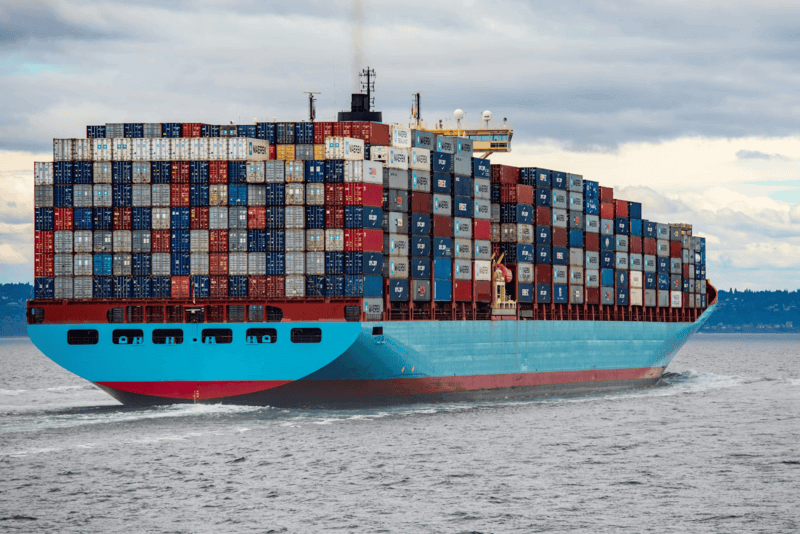
The right shipping method depends less on the product and more on what you're promising your customers. For fast delivery, go with AliExpress Standard Shipping or a courier option on products with steady order volume. Standard Shipping is usually the safest bet because tracking is better than economy options and delivery is more consistent across major markets. Couriers work for higher-ticket items, but margins can disappear fast, and customers may run into customs issues.
For low cost, Cainiao economy lines can work for cheap accessories where slow delivery won't trigger many support tickets. But avoid them for gifts, seasonal items, or paid traffic campaigns. Cheap shipping often turns expensive once refunds and chargebacks start adding up.
For better customer experience, prioritize full tracking, realistic delivery estimates, and suppliers who ship consistently. Most buyers will forgive a longer wait more easily than vague tracking updates.
| Store goal | Better fit | Watch for |
|---|---|---|
| Fast delivery | AliExpress Standard Shipping, DHL, FedEx | Higher cost, customs issues |
| Low cost | Cainiao economy lines | Weak tracking, slower delivery |
| Customer experience | Tracked standard lines | Supplier handling delays |
A common mistake: using the same shipping rule for your whole catalog. In reality, shipping should match the product price, refund risk, and how impatient your audience tends to be.
How to Check Shipping Methods on Product Pages Before You Add Items to Your Store
The product page tells you more than just shipping speed. It also hints at how much risk you're taking on with customer complaints, refund requests, and delivery inconsistency.
Start by entering the destination country on the product page. Before importing a product, check these four things:
| What to check | Why it matters |
|---|---|
| Estimated delivery window | A wide range usually means less predictability |
| Tracking availability | Untracked methods create support problems fast |
| Shipping cost by variant | Large sizes or bundles may change the method |
| Ship from location | Local warehouses can cut delays, but stock is often limited |
Don't just check the default variant. A black medium shirt might ship with AliExpress Standard Shipping, but a larger size could default to Cainiao or a slower postal route. Also test two or three major markets (like the US, UK, and Australia), because the same listing can use different carriers depending on the region.
This review step matters most for general stores and trend-driven products, where delivery issues can quickly erase your margins.
Common Shipping Problems That Hurt Conversions and Refund Rates
The biggest shipping mistake in AliExpress dropshipping is treating all methods as interchangeable. They're not. The problems that hurt conversions often show up before the customer even places the order. Long delivery windows reduce checkout confidence. Inconsistent tracking creates support tickets. Cheap untracked lines often lead to "item not received" claims, especially for impulse buys under about $25 where buyers are less patient.
| Problem | What usually causes it | Better decision rule |
|---|---|---|
| Cart abandonment | Wide delivery estimate such as 15 to 40 days | Choose lines with narrower delivery ranges |
| Refund requests | Tracking stalls after export | Use methods with end to end tracking |
| Chargebacks | No delivery scan in destination country | Avoid economy mail for higher value orders |
For most general stores, the safer default is AliExpress Standard Shipping or a reliable local warehouse option when available. Economy shipping can still work for very cheap accessories, but only if your margins can absorb replacement orders. If your customers expect Amazon-like speed, AliExpress shipping will be a tough fit unless you carefully limit which products and countries you sell to.
When to Use AliExpress Shipping and When to Switch to a Faster Fulfillment Partner
AliExpress shipping still makes sense for some stores, but only under certain conditions. Use it when you're testing products, validating demand, or selling low-urgency items with healthy margins. It's less suitable once you have repeatable sales and stricter delivery expectations.
A practical rule: stick with AliExpress if your product is still in the testing phase, your refund rate is low, and your buyers accept longer delivery windows. But the real question isn't just which carrier AliExpress uses. It's whether the whole delivery chain is predictable enough for your store.
| Use AliExpress shipping | Switch fulfillment partner |
|---|---|
| Testing new products | Scaling proven winners |
| Low order volume | Daily consistent orders |
| Buyers tolerate longer waits | Customers expect fast tracking and delivery |
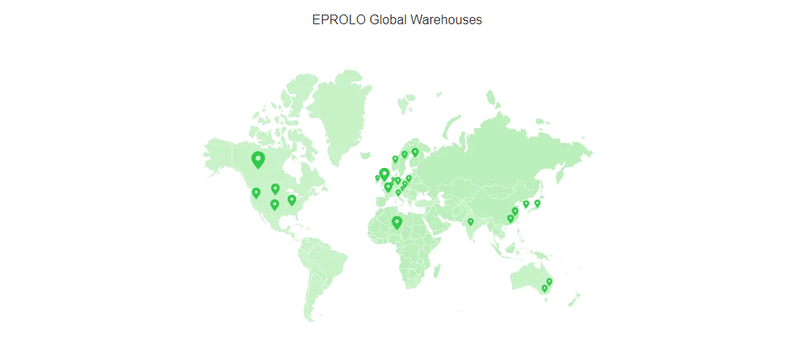
If you're moving beyond product testing and want more predictable delivery, this is where a third-party logistics (3PL) solution becomes useful. Instead of relying on individual suppliers, a centralized fulfillment partner like EPROLO can help streamline order handling, improve processing speed, and provide more consistent tracking across shipments. With access to 26+ global warehouses, it also allows orders to be fulfilled closer to customers, which can significantly reduce delivery times and improve overall reliability. This becomes especially valuable for stores that are starting to scale or dealing with higher daily order volume, where delivery consistency has a direct impact on customer satisfaction and repeat purchases.
The most common mistake: waiting too long to switch. If late deliveries are causing chargebacks, support tickets, or bad reviews, your shipping model is already hurting profits. A faster partner makes more sense when speed, tracking quality, branded experience, and inventory control matter more than the lowest possible unit cost. For stores selling gifts, seasonal items, or impulse products, that switch usually needs to happen earlier.
If long-term brand building is part of your plan, a more reliable product workflow is worth considering.
Frequently Asked Questions (FAQ)
Which AliExpress shipping method is usually best for dropshipping in 2026?
For many dropshippers, AliExpress Standard Shipping is still the safest default in 2026 because it balances cost, tracking, and delivery consistency. Faster couriers like DHL or FedEx can work for higher-ticket items, but they often raise total landed cost and increase the chance of customs-related issues.
What carrier does AliExpress use for dropshipping orders?
The answer depends on the shipping method, destination, and supplier. AliExpress orders may move through Cainiao, local postal networks, or private couriers such as DHL, UPS, or FedEx. The actual last-mile carrier often changes by country.
Is AliExpress Standard Shipping better than Cainiao for customer delivery times?
Usually yes. AliExpress Standard Shipping tends to offer more reliable tracking and more predictable transit times than many Cainiao economy options. Cainiao can be cheaper, but it's better suited for low-cost products where slower delivery and limited tracking are less likely to cause support problems.
How can I avoid using a shipping method that causes too many disputes?
Check average delivery times by country, make sure tracking updates continue after export, and test the supplier before scaling. Steer clear of methods with weak end-to-end tracking for time-sensitive markets. A slightly higher shipping cost is often cheaper than refunds, chargebacks, and repeated customer service headaches.
Should I use express shipping from AliExpress for all dropshipping products?
No. Express shipping makes more sense for urgent orders, premium products, or markets where customers expect very fast delivery. For cheaper items, the shipping cost can wipe out your margins. Match shipping speed to product price, buyer expectations, and destination country risk.
Read More
Written by Carry
With over 10 years of e-commerce experience, Carry specializes in dropshipping, website management, and marketing strategies. She provides actionable insights that help online sellers grow, optimize their stores, and succeed in a competitive marketplace.