In a world of massive, impersonal "big-box" stores and infinite scrolling on global marketplaces, something interesting is happening: shoppers are going small. They are trading the overwhelming fluorescent aisles of superstores for the intimate, curated, and highly personal world of the boutique.
But what exactly is a boutique? Is it just a fancy word for a small shop, or is there a deeper business philosophy at play? If you are an aspiring entrepreneur, understanding the "boutique model" is your first step toward building a brand that doesn't just sell products but creates a loyal community.
In this guide, we’ll explore the DNA of a boutique, why they are thriving in the digital age, and how you can launch your own branded shop without the traditional risks of high-inventory retail.
Key Takeaways
- Curated Over Quantity: A boutique's success hinges on a "Narrow and Deep" product selection that tells a cohesive story, creating exclusivity and a strong brand identity.
- Experience is Everything: Boutiques thrive on relational, personalized shopping experiences and trust-based curation, which justify premium pricing in a crowded market.
- The Digital Model Wins: The modern online boutique eliminates traditional overhead, allowing for global reach, lower risk, and powerful community-driven marketing.
- Branding is Non-Negotiable: To compete, a boutique must build a distinct aesthetic and use tools like Branded Dropshipping to offer a premium, cohesive customer experience from discovery to unboxing.
Table of Contents
The Core Definition: What Is a Boutique?
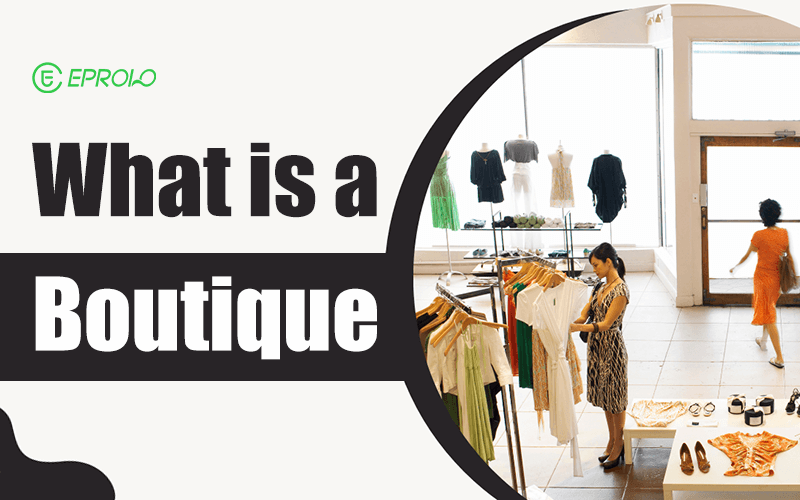
The word "boutique" comes from the French word for "shop," but its modern meaning is far more specific. A boutique is a small, specialized retail store that offers a carefully curated selection of products—usually fashion, accessories, or home decor—aimed at a specific niche or demographic.
If a standard retail chain is a "supermarket" of options, a boutique is a "tasting menu." You don't go there because they have everything; you go there because they have the right things.
The Three Pillars of a Boutique
- Specialization: Boutiques don't try to be everything to everyone. They focus on a specific aesthetic (like "boho-chic"), a specific problem (like "sustainable swimwear for athletes"), or a specific lifestyle.
- Curation: The most important person in a boutique isn't the salesperson—it’s the curator. Every item on the shelf (or digital page) has been handpicked to fit a cohesive story.
- Scale: By staying small, boutiques maintain an air of exclusivity. When you buy from a boutique, you aren't wearing the same shirt as 10,000 other people in your city.
Boutique vs. Retail: Key Differences for Business Owners
Many people use the terms "boutique" and "retail store" interchangeably, but for a business owner, the differences are night and day. Understanding these distinctions will determine your marketing strategy, your profit margins, and your daily operations.
1. Inventory: "Wide and Shallow" vs. "Narrow and Deep"
Standard retail stores typically operate on a "Wide and Shallow" model. They have thousands of different items (wide) but only a few variations of each.
Boutiques operate on a "Narrow and Deep" (or sometimes very curated) model. They might only carry ten styles of dresses, but those ten styles are perfectly aligned with their brand's "vibe." This scarcity creates a "buy it now or lose it forever" mentality in customers.
2. The Shopping Experience: Transactional vs. Relational
When you walk into a big-box retailer, you are often just a number. The goal is efficiency: find the item, pay for the item, leave the store.
In a boutique, the experience is relational. Boutique owners often know their regular customers by name. They offer personalized styling advice and "insider" tips. This high level of service justifies the higher price tags often found in boutiques.
3. The Atmosphere and Branding
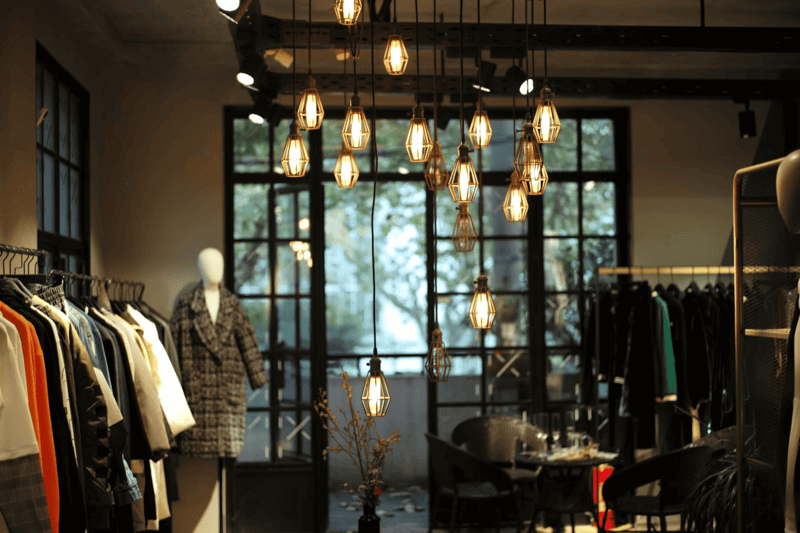
Retail chains prioritize consistency. Every Gap or Zara store feels roughly the same. Boutiques, however, prioritize identity. The lighting, the scent, the music, and even the "About Us" page on a website are all designed to make the customer feel like they are stepping into a different world.
Quick Comparison: Boutique vs. Retail
| Feature | Boutique | Standard Retail |
|---|---|---|
| Product Origin | Unique, Niche, or Private Label | Mass-produced, Global Brands |
| Customer Service | Highly Personalized | Self-service / Efficient |
| Marketing Focus | Storytelling & Community | Discounts & Volume |
| Profit Margins | High (Value-based) | Low to Medium (Volume-based) |
| Location | Niche Neighborhoods or Specialized Websites | High-traffic Malls or Massive E-commerce Portals |
The Psychology of the Boutique Shopper
Why would someone pay $80 for a blouse at a boutique when they could find something similar for $25 at a superstore? It comes down to value perception.
The Search for Exclusivity
Human beings have a natural desire to feel unique. "Fast fashion" has made it easy to be trendy, but it has also made everyone look the same. A boutique offers the "anti-clone" solution. Knowing that a shop only ordered five units of a specific jacket makes that jacket significantly more valuable to a fashion-conscious shopper.
The Trust Factor
We are living in an era of "choice paralysis." There are too many products on the internet. A boutique shopper is paying for the owner’s taste. They trust that if the boutique owner picked it, it must be high quality and on-trend. This "curation as a service" is a powerful psychological trigger.
Supporting a Dream
Modern consumers, especially Gen Z and Millennials, are increasingly conscious of where their money goes. They would rather support a "solopreneur" or a small local business than a faceless corporation. The "personal story" behind a boutique is a marketing asset that big retailers simply cannot buy.
The Modern Shift: The Rise of the Online Boutique
Traditionally, starting a boutique meant signing a five-year lease, buying $50,000 in inventory, and hoping for foot traffic. That era is over.
The "Virtual Boutique" is now the dominant model for new entrepreneurs. By using platforms like Shopify and social media like Instagram and TikTok, you can create a high-end boutique experience without the brick-and-mortar overhead.
Why Digital Boutiques are Winning
- Global Reach: Your boutique isn't limited to one neighborhood. You can sell to a "boho-chic" community that spans three continents.
- Social Commerce: Instagram "Shoppable Posts" and TikTok Shops allow you to turn a viral video into a storefront. Your "vibe" becomes your marketing.
- Lower Risk: With modern fulfillment models, you don't need a warehouse full of boxes to call yourself a boutique.
Building a Brand: How to Create a Boutique Identity Online (Step-by-Step)
If you want to start a boutique, you cannot start by looking for products. You must start by looking for an identity.
Step 1: The Niche Deep Dive
Don't just sell "women's clothes." That is a sea of competition you won't survive. Instead, be the "Sustainable Activewear for Yoga-Loving Moms" or the "Minimalist Streetwear for Tech Professionals." The narrower your niche, the louder your brand voice becomes.
Step 2: Defining the "Vibe"
Every boutique needs an aesthetic. Is your brand "Earthbound and Organic"? "Neon and Cyberpunk"? "Classic Parisian"? This aesthetic should dictate your logo, your website colors, and even the way you write your product descriptions.
Step 3: Creating the Experience
In a digital boutique, your "unboxing experience" is your storefront. When the package arrives at the customer's door, does it feel special? Or does it look like a generic plastic bag from a giant warehouse? To be a "legit" boutique, the presentation must match the price point.
The Inventory Revolution: How EPROLO Powers Modern Boutiques
The biggest hurdle for any boutique has always been inventory. If you buy 100 dresses and only sell 20, your business is in trouble.
EPROLO has solved this problem by creating a "Branded Dropshipping" ecosystem specifically designed for boutique owners. We provide the backbone, while you provide the curation.
1. The "EPROLO Pivot": Branded Dropshipping
Most people associate dropshipping with "cheap" products and generic shipping. EPROLO changes that. We allow you to source from over 100,000 high-quality fashion styles, but with a twist: your brand is on the package.
2. No-MOQ Customization
Traditionally, if you wanted your own brand labels on clothing, you had to order 500 units per size. With the EPROLO Branding Program, you can have custom hangtags, woven labels, and branded packaging with no minimum order quantity (MOQ).
- Custom Labels: Your customers see your brand name on the neck of the shirt.
- Branded Hangtags: The same high-end feel you get in a physical boutique.
- Custom Packaging: From branded bags to custom scotch tape and gift cards.
3. Testing Trends without Risk
Fashion moves fast. A style that is "in" this week might be "out" next month. With EPROLO, you can add 20 new styles to your boutique today. If they sell, we fulfill them. If they don't, you haven't lost a penny in inventory costs. This allows your boutique to stay "fresh" and "trendy"—the two things shoppers value most.
4. Strict Quality Control
A boutique lives and dies by its reputation. You cannot afford to send "junk" to your customers. Unlike random marketplaces, EPROLO acts as your quality gatekeeper. We inspect the items in our warehouse before they ship, ensuring that the "curation" your customers expect is actually delivered.
Marketing Your Boutique: Community Over Coverage
You don't need a million followers to run a successful boutique. You need 1,000 "true fans."
- User-Generated Content (UGC): Encourage your customers to post photos of themselves wearing your items. A boutique is about a "lifestyle," and seeing real people live that lifestyle is more effective than any professional ad.
- Live Shopping: Platforms like TikTok and Instagram allow you to "show and tell." Treat a live stream like an intimate styling session in a physical shop.
- Email Storytelling: Don't just send "20% OFF" coupons. Tell your subscribers why you picked a certain fabric or how a new collection was inspired by a trip you took.
Conclusion: Your Taste, Your Brand
At its heart, a boutique is a celebration of individuality. It is a business model that proves you don't have to be the biggest to be the best. By focusing on a specific niche, curating with a clear "vibe," and leveraging tools like EPROLO to handle the logistics and branding, you can build a sustainable, high-margin business from anywhere in the world.
Curation is the new currency. The world doesn't need another giant store—it needs your unique perspective.
Frequently Asked Questions (FAQ)
Q1: What is considered a boutique?
A boutique is typically defined as a small retail shop specializing in a specific type of high-quality, curated merchandise. While most common in fashion, boutiques can also exist in the home decor, beauty, and even service industries (like boutique hotels).
Q2: How is a boutique different from a regular clothing store?
The main differences are scale and curation. A regular clothing store focuses on a broad range of products for a wide audience. A boutique focuses on a narrow selection of handpicked items for a specific niche, often offering a more personalized customer experience.
Q3: Can I start a boutique with a dropshipping model?
Yes, but with a caveat: you should use Branded Dropshipping. Generic dropshipping can feel "cheap," which hurts a boutique's image. By using a partner like EPROLO, you can add your own labels, hangtags, and custom packaging, ensuring the customer feels like they are buying from a premium boutique.
Q4: Do boutiques manufacture their own clothes?
Some do, but many source from specialized wholesalers or trading companies. The "value" of a boutique is not necessarily in the manufacturing, but in the selection and styling of the pieces.
Q5: Why should boutique owners use EPROLO?
EPROLO offers boutique owners the ability to scale without the risk of holding inventory. With features like no-MOQ branding (custom labels and tags), fast shipping lines, and automated fulfillment, EPROLO provides the professional infrastructure that allows small boutiques to compete with larger retail brands.
Read More from EPROLO Blog
Written by Suey
Suey is a content writer specializing in e-commerce and dropshipping, with 2+ years of experience. She creates SEO-friendly articles, guides, and marketing content that help online store owners attract traffic, engage customers, and grow profitable businesses.