In 2026, good dropshipping software is less about adding products fast and more about controlling mistakes at scale. The right tool should reduce manual checks on inventory, pricing, order routing, tracking updates, and returns. If it cannot prevent overselling or flag supplier issues early, it is not solving the real operational risk.
Store owners should judge dropshipping software on four areas first: catalog quality, automation depth, channel support, and exception handling. Catalog quality matters because weak product data creates bad listings, variant errors, and refund requests. Automation depth matters because basic one click import is easy to find, while rules for pricing, shipping logic, bundles, and out of stock actions are harder to replace later. Channel support matters if you sell on Shopify, marketplaces, or social channels at the same time. Exception handling matters most once order volume grows.
Key Takeaways
- The best dropshipping software in 2026 helps automate product imports, inventory syncing, order routing, and tracking updates.
- Top tools differ in supplier networks, marketplace integrations, pricing, and support for scaling across multiple sales channels.
- Look for features like real-time stock updates, automatic repricing, branded invoicing, and easy return management.
- The right platform depends on your store size, niche, target markets, and whether you need domestic or global suppliers.
- Comparing setup costs, transaction fees, and automation limits can help you choose software that improves efficiency without cutting too far into margins.
Table of Contents
What Online Sellers Look For in 2026
In 2026, good dropshipping software is less about adding products fast and more about controlling mistakes at scale. The right tool should reduce manual checks on inventory, pricing, order routing, tracking updates, and returns. If it cannot prevent overselling or flag supplier issues early, it is not solving the real operational risk.
Store owners should judge dropshipping software on four areas first: catalog quality, automation depth, channel support, and exception handling. Catalog quality matters because weak product data creates bad listings, variant errors, and refund requests. Automation depth matters because basic one click import is easy to find, while rules for pricing, shipping logic, bundles, and out of stock actions are harder to replace later. Channel support matters if you sell on Shopify, marketplaces, or social channels at the same time. Exception handling matters most once order volume grows.
| Need | What to check |
| Inventory sync | Update frequency, stock buffers, supplier feed reliability |
| Order automation | Auto fulfillment, tracking sync, failed payment and address rules |
| Margin control | Pricing rules, shipping cost visibility, fee awareness |
A common mistake is choosing software based on product count instead of supplier consistency. A smaller catalog with reliable shipping often outperforms a massive one with unstable stock. This is especially true for niche stores and branded storefronts. If you are still comparing sales channels, this guide to ecommerce platforms for dropshipping helps frame that decision. For a broader view of current tool categories, this industry roundup is also useful.
How to Compare Dropshipping Software
The right dropshipping software is the one that removes failure points in your actual workflow. Start with sourcing. A large catalog looks useful, but supplier consistency matters more than product count. Check whether the tool shows shipping origin, processing times, inventory sync frequency, and dispute handling. If you plan to sell branded or fragile products, ask how quality checks, packaging options, and sample orders are handled before you look at trend data.
Next, map the order flow from checkout to delivery. Good dropshipping software should import orders cleanly, push tracking back to the store, and flag exceptions early. The key question is not "does it automate?" but "where does manual work still happen?" Many sellers discover too late that editing variants, bundling items, or splitting orders across suppliers still requires manual fixes. That matters more as volume rises.
| Area | What to check | Common mistake |
|---|---|---|
| Sourcing | Supplier depth, shipping regions, sample quality | Choosing on catalog size alone |
| Order flow | Auto routing, tracking sync, exception handling | Ignoring edge cases |
| Pricing | Subscription, per order fees, add on costs | Comparing plan price only |
| Integrations | Shopify sync, marketplaces, support apps | Overlooking data conflicts |
Finally, price tools by operating model, not monthly plan. Some platforms are better for beginners with simple Shopify stores. Others make more sense once you need private sourcing, warehouse options, or multichannel selling. In 2026, with stores relying on broader app stacks and faster fulfillment expectations, integration quality often decides whether software saves time or creates more admin work.
13 Best Dropshipping Automation Software
1. EPROLO
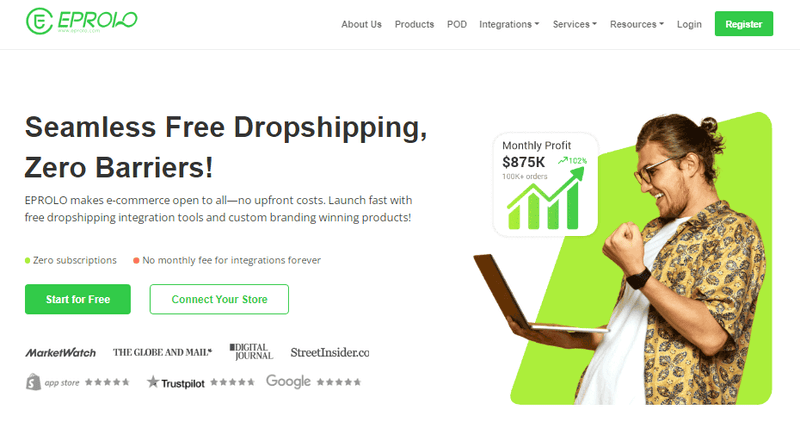
EPROLO is a comprehensive dropshipping automation software designed to simplify various aspects of running a dropshipping business. It offers robust inventory management tools that help keep stock levels accurate and up-to-date, preventing overselling and stockouts.
Additionally, the platform allows for seamless product import. This feature enables users to quickly add new items to their store with just a few clicks.
Another standout feature of EPROLO is automated order processing. This system streamlines the process by automatically fulfilling orders from the moment they are placed until they are shipped. It includes tracking delivery, real-time updates to the business owner and the customer, and enhancing transparency and customer satisfaction.
EPROLO also includes price optimization tools. These tools help businesses adjust pricing strategies to maximize profits while staying competitive.
Besides, the platform supports a branding project (private label) feature. It allows dropshippers to create and sell branded products, increasing brand recognition and customer loyalty. With these comprehensive features, EPROLO is an excellent choice for those looking to streamline their dropshipping operations.
2. Easync
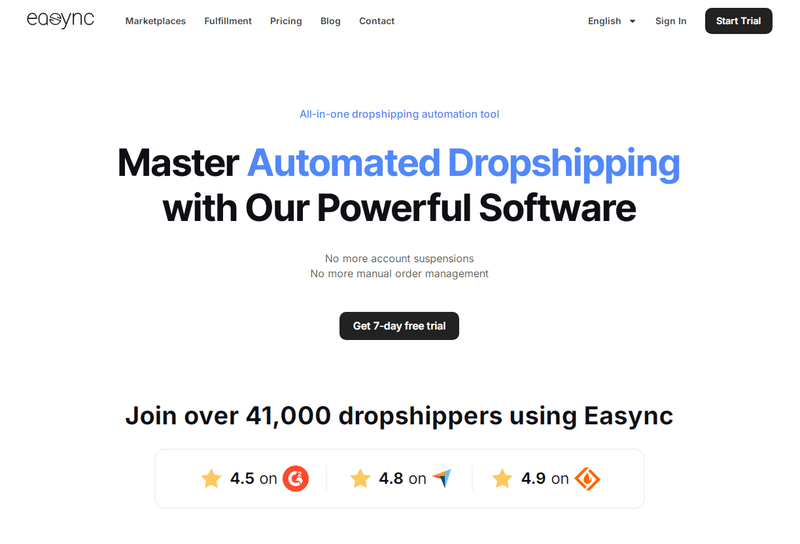
Easync is an all-in-one automated order fulfillment software that simplifies various aspects of the business. It helps users discover profitable products by analyzing market trends and identifying top-selling items.
The platform offers suppliers sourcing, connecting reliable suppliers to ensure a steady supply of products. Plus, Easync is compatible with major ecommerce platforms, including Amazon, eBay, Walmart, Shopify, and Costco. This makes it versatile and easy to integrate into existing businesses.
This tool is designed to streamline operations, from product selection to order fulfillment, enhancing efficiency and profitability for dropshippers.
3. Yakkyofy
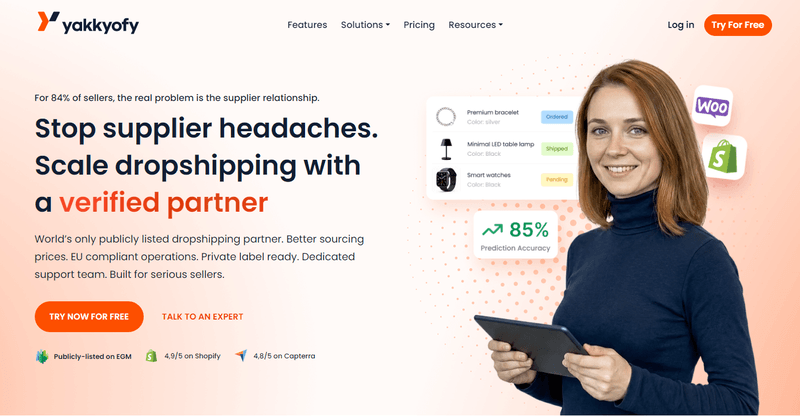
Yakkyofy is a versatile automated dropshipping software offering a range of features to streamline your business. It provides automated product listing, making it easy to add new products to your store quickly.
This ecommerce platform includes real-time stock level updates. This feature ensures you always have accurate inventory information to avoid overselling. Yakkyofy also offers products and media assets, including 3D files for augmented reality (AR). These assets enhance product presentations and customer engagement.
Additionally, it features an eWallet for automatic payments. This simplifies financial transactions with suppliers and improves the overall efficiency of your operations.
4. AutoDS
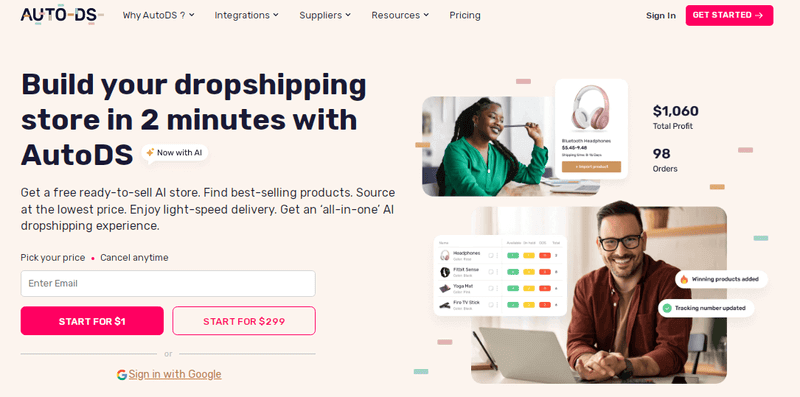
AutoDS is a comprehensive dropshipping automated solution designed to optimize various aspects of your ecommerce business. It features a product title and description generator. This tool helps create compelling and SEO-friendly listings.
The platform allows users to import winning products from global dropship suppliers. It ensures a diverse and competitive product range. AutoDS also supports print-on-demand. You can create and sell custom-designed products. This allows you to expand your offerings without holding inventory.
Additionally, it provides robust price & stock monitoring, keeping you updated on market changes and ensuring optimal pricing strategies to maximize profits.
5. Inventory Source
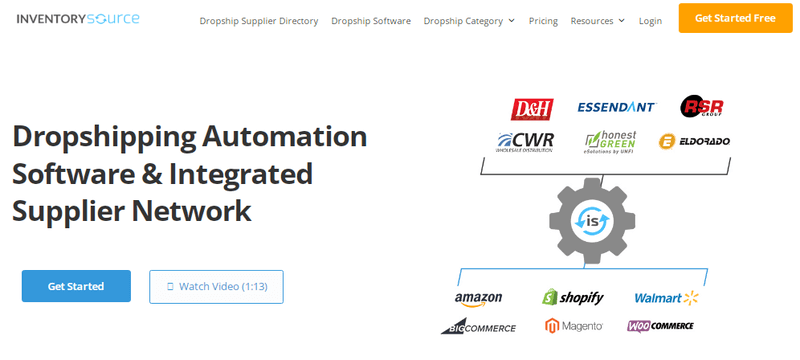
Inventory Source is a powerful dropship automation software that helps streamline product management and sales. The platform lets you publish products automatically. This feature makes it easier to maintain a current and appeal inventory.
It features tools to sync inventory and pricing. This ensures that your product listings are accurate and up-to-date across all channels. Inventory Source integrates seamlessly with the top ecommerce platforms, enhancing compatibility and ease of use.
Additionally, it offers a dropship profit calculator to help you assess potential earnings. A PayPal fee calculator helps you account for transaction fees accurately. These tools optimize your pricing and profitability strategies.
6. Ordoro
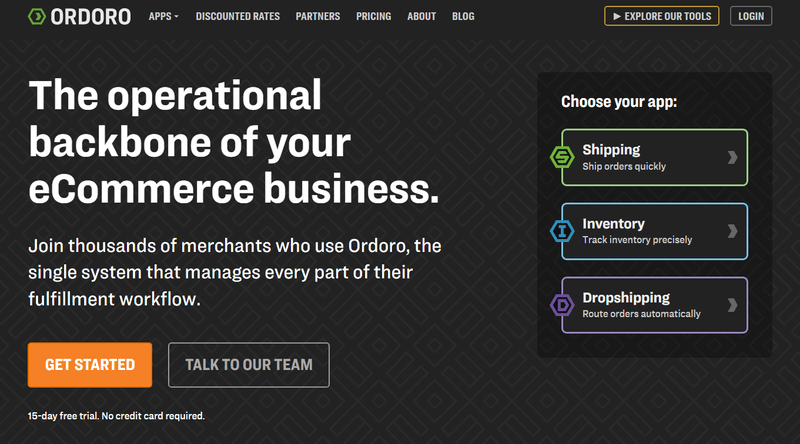
Ordoro is a versatile inventory and shipping management software tailored for ecommerce businesses. It offers robust features for managing and optimizing inventory and shipping processes.
The platform provides detailed cost and price analytics, as well as marketing and competitor analytics. This helps businesses make informed decisions to stay competitive.
One of its key features is the ability to automatically write backtracking numbers. This feature streamlines the shipping process and improves customer communication.
Additionally, Ordoro supports barcode generation and scanning. These tools enhance accuracy in inventory management and order fulfillment. Ordoro is an invaluable software for scaling and managing an efficient dropshipping operation.
7. Zendrop
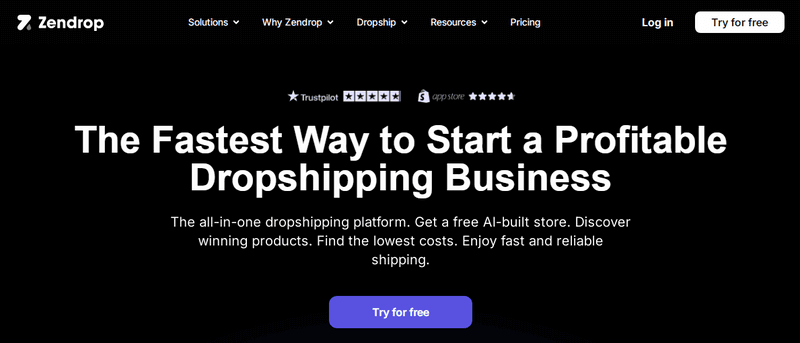
Zendrop is a comprehensive automated order fulfillment software designed to streamline e-commerce operations. It offers real-time analytics, providing insights into sales performance and customer behavior.
The platform features a trending product finder. This tool helps identify popular items. It allows you to stay ahead of market trends. Zendrop's extensive product catalog makes it easy to find dropshipping products to import. This expands your inventory with minimal effort.
Additionally, the platform ensures quick order processing. This enhances customer satisfaction by reducing fulfillment times. These features make Zendrop an excellent choice for dropshippers to optimize their business processes and maximize profitability.
8. Zik Analytics
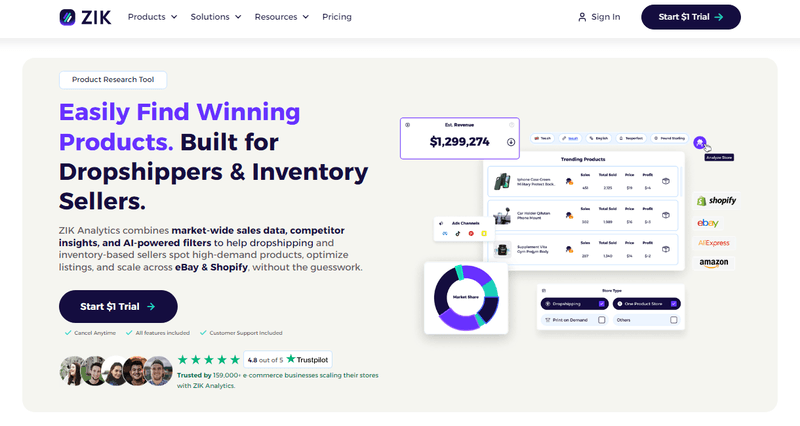
Zik Analytics is a powerful product research tool tailored for dropshipping businesses, particularly on platforms like eBay, AliExpress, and Shopify. It offers accurate and reliable data analysis, helping users identify trends and make data-driven decisions.
The platform provides unlimited profitable product and competitor searches. This allows dropshippers to discover high-demand products and analyze competitors' strategies.
This feature-rich software aids in optimizing product listings and pricing strategies. It makes staying competitive easier in the dynamic e-commerce landscape. Zik Analytics is an invaluable resource for dropshippers to enhance their market presence and increase profitability.
9. Koala Inspector
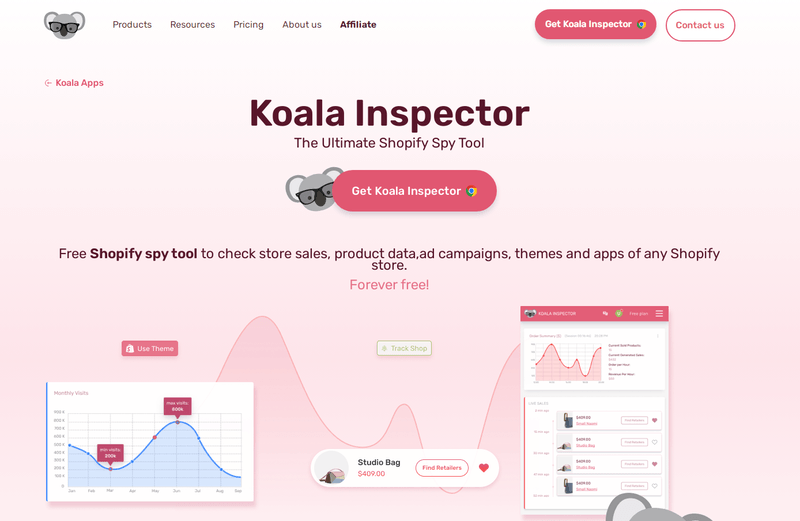
Koala Inspector is a specialized Shopify Inspector tool designed for in-depth competitor analysis. It helps users track competitor stores' latest product launches, price modifications, and aesthetic transformations. This tool provides valuable insights into market trends and strategies.
The platform offers practical and intuitive applications and tools tailored for Shopify stores. These tools simplify the process of understanding competitor dynamics and optimizing their stores.
Koala Inspector also enables users to uncover best-selling products and discover winning themes. It helps them to identify what works in the market and apply these insights to their e-commerce strategies.
10. Klaviyo
Klaviyo is a robust marketing automated dropshipping tool that leverages AI to enhance ecommerce marketing strategies. It offers a range of tools, including email marketing, SMS marketing, mobile push notifications, and customer reviews. This helps businesses engage with customers effectively.
Klaviyo can automatically sync all-time historical and real-time data. It provides comprehensive insights and drives targeted marketing campaigns.
This data integration ensures that businesses can personalize communication. This boosts customer engagement and conversion rates. Powered by AI, Klaviyo's analytics and automation features enable companies to achieve better customer retention and sales growth results.
11. Zapier
Zapier is a versatile dropshipping automation platform that connects two or more applications and supports over 7,000 apps. It streamlines workflows and enhances productivity.
By integrating various tools, Zapier automates tedious tasks, such as data entry, notifications, and reporting, without coding skills. This integration capability helps teams see how Zapier is utilized across different functions. It provides transparency and insight into workflow automation.
One of Zapier's key features is its ability to prevent issues like access control errors and identify anomalies. This ensures automated processes run smoothly and securely.
Zapier significantly enhances efficiency by handling tasks, allowing businesses to focus on more strategic activities. Zapier syncs customer information, automates social media posts, and manages customer orders. Its powerful automation tools make it easier for businesses to scale and optimize their operations.
12. Fotor
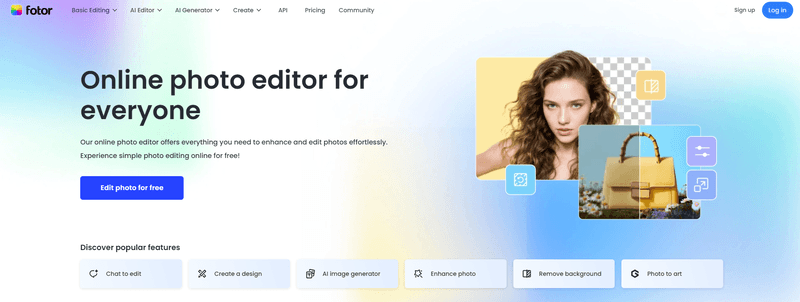
Fotor is a powerful and easy-to-use online photo editor that caters to the needs of ecommerce businesses. It allows users to edit photos in bulk, making it ideal for managing large volumes of product images.
Fotor's tools are designed to suit the requirements of major e-commerce platforms. Its images meet specific size and quality standards. The platform also offers diverse AI tools for both image and video editing.
It can enhance visual content with features like background removal, color correction, and special effects. This versatility makes Fotor a valuable tool for improving the visual appeal of online stores.
13. Tidio
Tidio is a comprehensive AI customer service and chatbot solution. It enhances customer engagement and support for ecommerce businesses. It features live chat and helpdesk tools. These tools allow you to track users across your website.
They provide insights into the pages they are browsing and their interests. This real-time interaction helps in delivering personalized customer experiences.
Tidio also offers plug-and-play Flows. The Flows automates various customer service tasks, such as handling missed conversations, offering discounts, and recommending products. These features improve customer satisfaction and boost conversion rates and sales, making Tidio an essential tool for online stores.
Where the Tradeoffs Show Up
The right dropshipping software is less about features on a landing page and more about which problem you can tolerate. Most tools force a tradeoff between faster setup and tighter operational control.
If speed matters most, marketplace style platforms usually win. You can import products quickly, sync orders, and start testing offers with less manual work. The downside is thinner control over branding, packaging, stock accuracy, and supplier communication. That is usually acceptable for newer stores validating demand, but it becomes expensive once returns, chargebacks, and repeat purchase rates start to matter.
If supplier control matters most, agent based or sourcing focused dropshipping software tends to be stronger. You often get better quoting, custom packaging options, and clearer shipping workflows. In exchange, setup takes longer, product selection is narrower, and you may need enough volume to justify the relationship.
| Priority | Usually better fit | Watch for |
|---|---|---|
| Launch fast | Large supplier network tools | Inconsistent quality and delivery times |
| Protect margins | Sourcing and agent platforms | Higher volume needed |
| Reduce support tickets | Tools with strong tracking and service teams | Monthly cost can rise quickly |
A common mistake is choosing dropshipping software based on import speed alone. In practice, margin leaks often come from reshipments, refund disputes, and slow support replies, not app fees. For 2026, judge tools on exception handling: stock change alerts, order routing, shipping visibility, and how fast a human can fix a damaged or missing order.
Common Dropshipping Automation Mistakes
The biggest mistake with dropshipping software is automating work that is still unstable. If your suppliers change stock often, shipping times vary by region, or product margins are thin, full automation can multiply errors instead of removing them. In practice, stores lose money when they auto publish products, auto route orders, and auto sync pricing without setting limits.
A common example is chasing the lowest monthly fee. Cheap tools often require extra apps for inventory rules, order routing, bundles, tracking, and returns. The result is a patchwork stack with duplicate fees and more failure points. A more useful test is total operating cost: monthly software spend, support quality, error rate, and staff time spent fixing exceptions.
| Decision area | Efficient setup | Expensive setup |
|---|---|---|
| Catalog import | Curated SKUs with margin rules | Bulk import with no filters |
| Order automation | Auto order only for tested suppliers | Auto order for every supplier |
| Pricing sync | Floor margin and shipping buffer | Real time changes with no safeguards |
Another costly mistake is ignoring edge cases. Preorders, split shipments, VAT handling, and return addresses can break otherwise solid workflows. This matters most for stores scaling past a few daily orders. For beginners, simpler dropshipping software with fewer automations is often safer. Add rules only after you know where mistakes actually happen.
How to Choose the Right Automated Dropshipping Software for Your Business Stage
The right dropshipping software depends less on feature lists and more on what will break first as you grow. For most stores, that means product sourcing, order accuracy, delivery speed, or margin control. Choose for the next 12 months, not just for this week.
If you are validating your first products, prioritize simple import, clear supplier data, and basic order automation. At this stage, a clean workflow matters more than advanced customization. Many beginners pick software with too many settings, then spend more time fixing mappings and variants than testing offers.
If you already have steady orders, move toward dropshipping software that improves fulfillment reliability and cost visibility. This is where supplier quality, shipping options, and inventory syncing matter more than product volume. A larger catalog is not useful if stock accuracy is weak or shipping times are inconsistent.
For scaling stores, the decision usually shifts again. You need stronger automation rules, better reporting, and options like private sourcing, branded packaging, or warehouse support. That is especially relevant in 2026, as more Shopify stores compete on post purchase experience, not just product discovery.
| Business stage | What to prioritize |
| New store | Ease of use, product import, basic automation |
| Growing store | Supplier consistency, shipping visibility, inventory sync |
| Scaling brand | Private sourcing, workflow depth, reporting, branding options |
A practical rule: if you change products often, choose flexibility. If you are building a brand around a narrower catalog, choose control. Good dropshipping software should fit your operating model, not force a new one.
Frequently Asked Questions (FAQ)
What is the best dropshipping software for a small store in 2026?
The best choice depends on your platform, catalog size, and how much automation you need. Small stores usually benefit most from dropshipping software that handles product imports, inventory syncing, order routing, and basic pricing rules without adding a steep monthly cost or setup burden.
How much does dropshipping software usually cost in 2026?
In 2026, pricing often ranges from free plans with limited features to paid tiers starting around $20 to $100+ per month. Costs usually rise with order volume, advanced automation, supplier access, multistore support, or premium integrations like analytics and dynamic pricing tools.
Can I use more than one dropshipping app at the same time?
Yes, but it can create duplicate listings, inventory mismatches, and order management conflicts if the apps overlap. Many store owners use one core system for sourcing and fulfillment, then add separate tools only for niche needs like product research or repricing.
Which is better: all-in-one dropshipping software or separate tools?
All-in-one tools are usually easier to manage and faster to implement, especially for newer sellers. Separate tools can offer more flexibility, but they often require more manual setup, extra subscriptions, and closer monitoring to keep product data, stock levels, and orders aligned.
What risks should I check before choosing dropshipping automation software?
Focus on supplier reliability, inventory sync speed, shipping visibility, platform compatibility, and how returns are handled. Also check whether the software updates pricing automatically, supports your target markets, and provides accurate order tracking, since automation errors can quickly affect margins and customer trust.
Read More from EPROLO Blog
- Instagram Dropshipping 101: How to Start and Succeed in 2026
- How to Start Dropshipping on Shopee in 2026
- 7 Profitable Instagram Dropshipping Niches to Sell in 2026
- 10 Best E-commerce Platforms for Dropshipping in 2026
- Top 7 Korean Dropshipping Suppliers in USA: Fast Shipping & K-Beauty Trends (2026 Guide)
Written by Iris
Iris is a digital marketing expert with 3+ years of experience in e‑commerce and dropshipping. She helps online store owners grow their sales through SEO-friendly content, supplier guides, and practical marketing tips, making it easier to run and scale profitable stores.