A branded dropshipping store allows sellers to build a clear online brand without buying stock upfront. In 2026, this model works well for beginners who want to sell products online while suppliers handle storage, packing & shipping.
According to the landmark industry report by Grand View Research, the global dropshipping market size was valued at USD 365.67 billion in 2024 and is projected to reach USD 1,253.79 billion by 2030, growing at a CAGR of 22.0% from 2025 to 2030. Market insights further reveal that 27% of ecommerce businesses—approximately 7.7 million storefronts—now use dropshipping as their primary fulfillment model. This setup drastically reduces upfront inventory costs and allows businesses to scale quickly, making it widely adopted by new and small-to-medium online retailers. However, this massive wave of new storefronts means intense competition; as consumers demand Amazon-level brand experiences, generic, low-quality "cookie-cutter" stores are being aggressively phased out. In 2026, building a distinct brand identity is no longer an optional marketing tactic—it is the baseline for business survival.
The seller focuses on the parts customers notice first: the store name, product pages, brand style, customer support & marketing.
Keep reading to learn what a branded dropshipping store is, how the model works without inventory as well as how to build one step by step. You will also learn how to choose suppliers, market branded dropshipping stores, avoid common mistakes & answer key customer questions before they cause sales to slow down.
Key Takeaways
- Branding is no longer optional — in 2026, generic “cookie‑cutter” dropshipping stores are being phased out; a real brand is the baseline for survival.
- You don’t need inventory — suppliers handle storage, packing, and shipping while you control brand identity, marketing, and customer experience.
- Profit margins improve dramatically — branded dropshipping yields net profit margins of 15–25%, compared to just 3–5% for unbranded stores, thanks to higher perceived value.
- Supplier choice is critical — look for branding support (custom labels, packaging, invoices), reliable fulfillment, and consistent quality.
- Trust and consistency drive success — a focused niche, professional store design, original content, and strong customer support build long‑term brand equity.
Table of Contents
Quick Answer: Can You Build a Branded Dropshipping Store Without Inventory?
Yes. You can build a branded dropshipping store without holding inventory by choosing a focused niche, working with suppliers that support branding & creating a professional online store. The supplier stores products, packs orders & ships them to customers. You control the brand identity, product presentation, pricing, customer service & marketing. Some suppliers also offer branded invoices, custom labels, packaging options, or print-on-demand products, which can help the store feel more polished.
What Is a Branded Dropshipping Store?
A branded dropshipping store sells products under a specific brand name while a third-party supplier fulfills customer orders. The seller does not keep products in a warehouse. Instead, the seller builds the brand, chooses products, sets prices & manages customer communication.
A strong branded store usually includes a clear store name, logo, visual identity & product niche. It also uses product pages written for a specific audience. When available, sellers can add custom packaging, branded inserts, or labels.
To scale successfully, sellers must understand the fundamental difference between branded and generic dropshipping. While a basic store lists random, low-margin products, a branded alternative builds long-term customer trust. Review the breakdown below to see how they compare across key operational pillars:
| Feature | Basic Dropshipping Store | Branded Dropshipping Store |
|---|---|---|
| Product range | Random or unrelated items | Focused niche with a clear buyer persona |
| Product copy | Often copied from the supplier | Original copy written for a specific audience |
| Brand identity | Minimal or none | Store name, logo, color palette, tone of voice |
| Packaging | Generic supplier packaging | Custom packaging, branded labels, or gift inserts |
| Competitive angle | Usually competes on price | Competes on trust, identity, and customer experience |
| Repeat purchase potential | Low; customers shop around | Higher; customers remember the brand |
How Branded Dropshipping Stores Work Without Holding Inventory
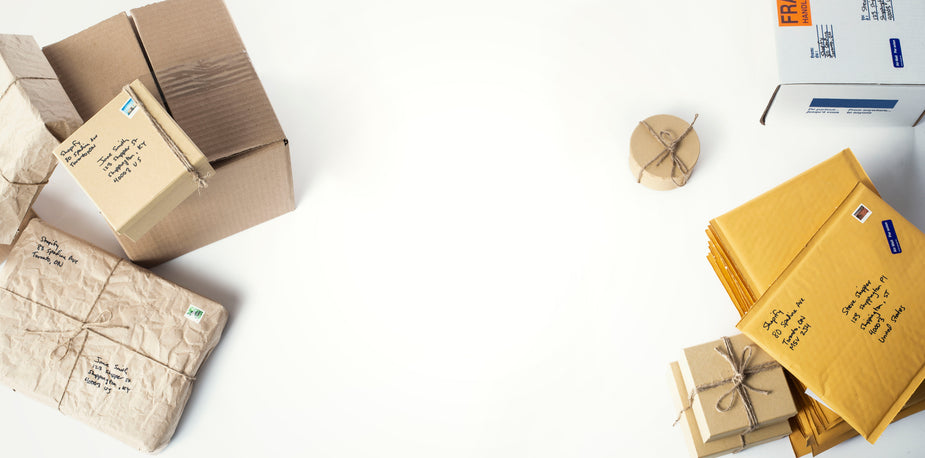
Branded dropshipping stores use a simple fulfillment process. The seller chooses products from a supplier and adds them to an online store. A customer places an order and pays the seller. The order details then go to the supplier, who packs and ships the product directly to the customer.
The seller manages product pages, pricing, customer support, policies & marketing. To streamline customer inquiries and keep store policies aligned across support channels, some businesses leverage Glean's AI for Retail to quickly surface internal product and policy documentation. The supplier manages storage, packing, shipping & product availability.
| Area | Store Owner Handles | Supplier Handles |
|---|---|---|
| Branding | Logo, niche, product pages, marketing | Branded packaging if supported |
| Sales | Store setup, pricing, ads, content | Product availability |
| Fulfillment | Order tracking and customer updates | Storage, packing, shipping |
| Customer Experience | Support, policies, brand voice | Shipping speed and product quality |
The Financial Reality: Profit Margins in 2026
To understand why branding is essential, you must look at the real financial data. According to data from Grand View Research and Shopify's Commerce Trends Insights, generic dropshipping is no longer sustainable due to surging customer acquisition costs (CAC) and low conversion rates (1% to 1.5%).
Shifting from generic to branded dropshipping fundamentally changes your business economics:
Standard Unbranded Dropshipping: Operates on thin gross margins of 15% to 25%. After factoring in ad spend and overhead, the actual net profit margin drops to a fragile 3% to 5%, resulting in a first-year failure rate of over 90%.
Branded Dropshipping: By utilizing custom packaging, specialized labels, and branded inserts, you elevate perceived value. This leverage allows niche storefronts to command healthier gross margins of 40% to 55% and secure sustainable net profit margins of 15% to 25%.
By lowering marketing overhead through customer trust and repeatable email flows, branded stores protect their bottom line and build long-term business equity.
How to Build a Branded Dropshipping Store in 2026
Choose a Clear Niche for Your Branded Dropshipping Store
A focused niche makes a branded dropshipping store easier to position. It helps customers understand what the store sells and who it serves. Choose a product category with steady demand, clear buyer needs, and room for branding.
Good niche examples include fitness accessories, pet supplies, home organization products, beauty tools, travel accessories, and custom apparel.
Research Products With Branding Potential
Product choice affects trust, repeat sales, and profit. Look for products that customers can understand quickly. The product should solve a clear problem or fit a specific lifestyle.
Good products for branded dropshipping stores often work well in bundles, photos, short videos, and gift guides. They should also come from suppliers with stable quality and reliable stock.
Before listing any product, check the cost, shipping time, return risk, and customer reviews.
Find a Supplier That Supports Branded Dropshipping
Suppliers play a major role in branded dropshipping stores. A good supplier can help you create a better customer experience without holding inventory. A poor supplier can damage the brand through late shipping, weak packaging, or inconsistent product quality.
Look for reliable fulfillment, clear product images, reasonable shipping times, branding support, product customization options, tracking updates, easy store integration, and fair return rules. Some suppliers offer branded invoices, custom labels, packaging options, or print-on-demand products.
EPROLO, for example, can fit sellers who want dropshipping fulfillment with branding support and product sourcing options.
Build a Professional Online Store
Your online store should look clear and trustworthy before launch. Start with a clean homepage, simple navigation, and product pages that explain benefits in plain language. Add high-quality images, size guides, product details, shipping information, and return rules.
A contact page helps buyers feel safer before they order. Reviews, payment badges, and clear policies can also reduce doubt.
You can build a store on Shopify, WooCommerce, Etsy, or TikTok Shop, depending on your product type and audience.
Create a Consistent Brand Identity
Branding helps customers remember the store. Start with a store name that fits the niche and buyer. Then create a simple logo, color palette, product photography style, and tone of voice.
Keep the same visual style across product pages, emails, packaging materials, and social media posts. A consistent look helps buyers recognize the store after the first visit.
How to Choose the Right Supplier for a Branded Dropshipping Store
The right supplier protects your reputation; the wrong one floods your dashboard with refund requests. Before scaling your ad budget, use this branded dropshipping supplier checklist to audit your candidates:
- Sample Verification: Always order test samples to benchmark material quality, packaging condition, and sizing accuracy.
- Regional Logistics: Audit shipping transit times specifically for your primary target countries, not just worldwide averages.
- Customization Support: Verify capabilities for no-MOQ custom neck labels, branded hang tags, and inserts.
- Blind Dropshipping: Confirm they offer 100% blind fulfillment so no third-party Chinese supplier information is visible to customers.
- Policy Alignment: Ensure the supplier’s return and refund windows match or exceed your online store's terms.
How to Market Branded Dropshipping Stores in 2026
Marketing should focus on trust, product education, and brand recall. Branded dropshipping stores need more than quick ads. They need content that explains the product, answers buyer questions, and gives customers a reason to choose the store.
Start with SEO blog content around product questions. For example, a travel accessory store can publish articles on packing tips, luggage organizers, and long-flight comfort. These articles can attract buyers before they reach the purchase stage.
Use TikTok and Instagram short videos for product demos, use cases, comparisons, and customer-style clips. User-generated content can also help buyers see how products look in real life.
Email marketing supports repeat visits. Set up a welcome flow, a cart reminder, a post-purchase email, and a product care email. Retargeting ads can bring visitors back after they view products.
Create niche landing pages and seasonal campaigns for gift periods, holidays, and buyer needs. Avoid copying supplier descriptions. Original product pages support SEO and give shoppers a clearer reason to buy.
For GEO, answer common buyer questions directly on product pages. Cover shipping time, material, sizing, use cases, care instructions, and return rules.
Common Mistakes to Avoid When Building a Branded Dropshipping Store
Many sellers weaken their store before launch by listing too many unrelated products. A store that sells pet bowls, phone cases, kitchen tools, and jewelry under one name feels unfocused.
Avoid copying supplier product descriptions. Other stores may use the same text, which can hurt SEO and make the page feel generic. Write original copy that speaks to your buyer.
Do not ignore shipping times, product samples, or return rules. These details affect reviews and repeat purchases. Choosing suppliers based solely on price can also create problems when quality changes frequently.
Low-quality images, hidden policies, and slow replies can reduce trust. Ads should come after the store looks ready. Branded dropshipping works best when the store feels focused, clear, and dependable.
Start Building Your Branded Dropshipping Store
Building a branded dropshipping store in 2026 requires a focused niche, dependable suppliers, a clear brand identity, and a store that earns trust. Sellers do not need to hold inventory, however, they do need to control the parts customers notice most: product presentation, communication, policies, and buying experience.
Start small, test products, review customer data, and improve the brand as you learn what buyers want.
Ready to build your own branded dropshipping store? Start by choosing one niche, testing a few products, and partnering with a supplier that can support your brand from the first order.
FAQs About Branded Dropshipping Stores
What is a branded dropshipping store?
A branded dropshipping store sells products under its own brand name, while a supplier stores and ships the products. The seller controls the store design, pricing, product pages, customer service, and marketing. Custom packaging, branded labels, and branded inserts can make the experience feel consistent and intentional.
Can I start branded dropshipping without holding inventory?
Yes. You can start branded dropshipping without holding inventory by working with suppliers that fulfill orders for you. You still need to manage branding, product selection, customer communication, and marketing. Platforms like EPROLO support no MOQ private label dropshipping so you can add custom labels and branded packaging without buying bulk stock first.
Are branded dropshipping stores profitable in 2026?
Branded dropshipping stores can be profitable when sellers choose the right niche, work with reliable suppliers, price products carefully, and build trust with buyers. Profit depends on product cost, shipping fees, ad spend, and repeat purchases. Branded products can justify higher retail prices than generic alternatives, which creates more room for margin.
What products work best for branded dropshipping?
Products with clear use cases, visual appeal, and repeat-buyer interest often perform well. Common examples include apparel, beauty tools, pet products, home goods, fitness items, and personalized products. Products that work well in short videos, photo bundles, and gift guides can also benefit more from branded presentation.
Do I need custom packaging from day one?
No. Start with no MOQ private label testing and add branded packaging only for products that prove demand through sales and positive reviews. EPROLO offers affordable lifetime branding projects for clothing that let sellers add custom neck labels from the first order without large upfront commitments.
How do I test product quality before scaling?
Order samples from your shortlisted suppliers before listing products in your store. Check material quality, stitching or construction, packaging condition, sizing accuracy, and whether the product matches the listing description. Use the sample experience to decide which supplier and product combinations are worth investing in for branded dropshipping.
Read More from EPROLO Blog
Written by Josie
Josie is a skilled marketing specialist with expertise in TikTok, Facebook, and YouTube. She excels at audience growth and social media account management, consistently delivering valuable insights across key social marketing channels. Her strategic approach helps brands build meaningful engagement and expand their digital presence effectively.