Sourcing from China remains a practical choice for dropshippers in 2026, offering unmatched product variety and cost advantages. However, the landscape has shifted. Supplier reliability, fluctuating tariffs, and customer expectations for faster shipping mean that success now depends on careful vetting and strategic planning rather than simply finding the lowest price.
This guide cuts through the noise. We will explore why sellers still turn to Chinese suppliers, provide a step-by-step framework for vetting partners on speed, quality, and margins, and break down the best supplier options for different stages of your business. Crucially, we will also examine the impact of 2026 tariff and customs changes, helping you protect your profitability.
Key Takeaways
- Vetting is non-negotiable: Supplier reliability varies widely. Always verify business credentials, request samples, and test fulfillment consistency before scaling.
- Price beyond the unit cost: Calculate your full landed cost including tariffs, shipping, customs fees, and potential returns to understand true profitability.
- Tariffs and rules impact margins: Customs scrutiny and import policies can change rapidly. Regularly monitor updates for your target markets and product categories.
- Speed builds trust: Faster shipping, clear return policies, and realistic delivery estimates are essential for reducing disputes and improving customer satisfaction.
- Diversify and automate: Reduce operational risk by diversifying suppliers and using automation tools for inventory management, order tracking, and routing.
Table of Contents
Why Sellers Still Source From China in 2026
Sellers still work with chinese dropshippers in 2026 for one practical reason: China remains the widest sourcing market for product variety, factory access, and cost control at small order volumes. That matters most for stores testing new items weekly, niche sellers that need deep catalog depth, and operators trying to protect margin after tariff and shipping changes.
The decision is not just about lower unit cost. Experienced sellers compare four factors together: landed cost, speed, defect rate, and restock stability. A product that is $2 cheaper from China can still lose money if delivery is slow, return rates rise, or customs issues create chargebacks. That is why many stores now use Chinese dropshippers for product testing and keep backup options in the US or local warehouses for proven winners. For a broader sourcing workflow, EPROLO and this guide to finding reliable dropshipping agents in China cover the operational side well.
| Why China still works | When it is less suitable |
|---|---|
| Large product selection, easier private labeling, lower test costs | Urgent delivery needs, fragile items, products with high compliance risk |
A common mistake is choosing suppliers by catalog size alone. Better filters are response time, sample consistency, shipping method clarity, and whether tariff related costs are explained before orders go live. Marketplaces and agent based models both remain active in 2026, as seen in supplier roundups like this China supplier overview. China is still a strong sourcing base, but only for sellers who manage tradeoffs with clear numbers.
How to Vet Chinese Dropshippers for Shipping Speed, Quality, and Margins

Start with fulfillment evidence, not catalog size. Many China dropshipping suppliers list the same products, so your decision usually comes down to delivery consistency, defect rate, and how much margin survives after shipping and refund costs.
For shipping speed, ask for three things: average processing time, shipping line names by country, and recent tracking samples. A supplier promising 5 to 8 day delivery but taking 4 days to dispatch is not a fast supplier. In 2026, serious operators should be able to explain whether orders ship direct from China, from a China consolidation center, or from local stock in the US or EU. Local warehousing helps, but only if inventory sync is reliable.
| Check | What good looks like | Warning sign |
|---|---|---|
| Processing | 1 to 2 business days | Vague or changing answers |
| Quality control | Inspection photos, sample order passed | No defect policy |
| Margins | Landed cost leaves room for returns and ads | Cheap item, expensive shipping |
Always place sample orders to your main markets. Check packaging, label accuracy, transit updates, and whether the delivered item matches the listing photos. I would also test one reorder, because some chinese dropshippers perform well on the first sample and slip on repeat fulfillment.
This process matters most for stores selling problem solving products, gifts, or impulse buys where delays kill conversion. If you sell higher ticket or customized items, slower shipping can be acceptable, but only if the supplier communicates clearly and your margin can absorb replacement risk.
Where to Find Reliable Chinese Dropshippers for Different Store Stages
Reliable chinese dropshippers are easier to find when you match the supplier type to your store stage. Most problems come from choosing a sourcing setup that is too advanced for your order volume or too basic for your customer expectations.
| Store stage | Where to look | What to check first |
|---|---|---|
| Testing products | Large marketplaces and integrated supplier platforms | Processing time, tracking quality, duplicate listings |
| Getting steady sales | Sourcing agents and curated supplier networks | Variant consistency, defect handling, shipping line options |
| Scaling volume | Private agents, factories, 3PL linked sourcing partners | Batch quality control, tariff paperwork, inventory planning |
If you are new, marketplaces are usually enough. They give broad product access and low commitment, but many listings come from traders, not factories. I would verify whether the same seller keeps stock stable for 30 days and whether tracking numbers scan within 3 business days. Those two checks filter out a lot of weak chinese dropshippers.
Once a product is proven, agents become more practical. They can consolidate sourcing, inspect items, and suggest shipping routes with fewer delivery complaints. This matters more in 2026, because tariff exposure and customs delays make sloppy documentation expensive. Ask for recent packing videos, sample photos, and a clear breakdown of product cost, shipping cost, and declared value method.
For scaling stores, factory direct sounds attractive, but it is less suitable if your SKU mix changes often. In that case, experienced chinese dropshippers with agent level support are usually easier to manage than dealing with several factories at once.
Best Chinese Dropshippers to Compare in 2026
Not all chinese dropshippers solve the same problem. Some are marketplace based and good for testing demand fast. Others act more like sourcing and fulfillment partners, which matters once order volume, refund risk, and shipping predictability start affecting margins.
| Supplier type | Best for | Main tradeoff |
|---|---|---|
| EPROLO | Beginner and scaling sellers building a branded dropshipping store | Support availability may not align with all time zones |
| AliExpress sellers | Beginner testing and wide catalog access | Inconsistent quality and seller level shipping variation |
| CJdropshipping | Sourcing support, branding options, broader fulfillment control | Product pricing is not always lowest on small orders |
| Private agents or managed platforms | Scaling stores with repeat demand | Usually less suitable for low volume product testing |
If you are comparing chinese dropshippers in 2026, use five filters: real stock visibility, processing time, tariff documentation support, packaging consistency, and dispute handling. Shipping speed alone is a weak decision metric because many suppliers advertise line haul estimates but delay dispatch by several days.
A common mistake is choosing the lowest unit cost and ignoring post purchase friction. A supplier with slightly higher pricing but stable 48 hour processing and better customs paperwork can protect conversion rate and reduce dropshipping chargebacks. That matters more in categories like electronics, beauty tools, and seasonal items.
For early stage stores, marketplaces still work. For stores with proven winners, agent style chinese dropshippers usually make more sense because they can consolidate sourcing, inspect batches, and adapt faster when tariff rules or shipping lanes change.
Tariffs, Customs, and Shipping Changes That Can Affect Your Profit
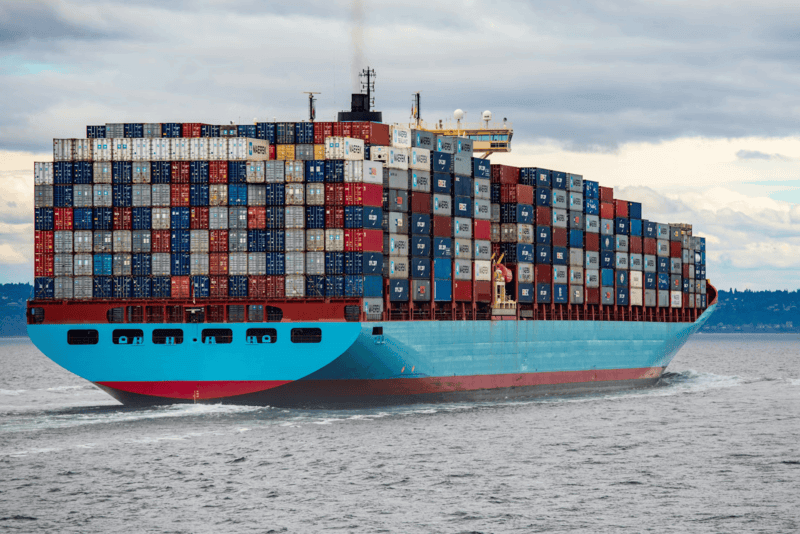
Tariffs and customs rules can erase margin faster than product cost increases. If you work with reliable dropshipping suppliers in 2026, do not price only from supplier quotes. Price from landed cost: item cost, shipping, duty risk, customs handling fees, payment fees, refunds, and likely reshipments.
The biggest mistake is assuming low declared value or simple packet shipping will keep orders inexpensive forever. Customs scrutiny changes by route, product type, and local enforcement. Electronics, batteries, cosmetics, branded goods, and products with safety standards usually carry more inspection risk than simple home accessories or apparel.
| Factor | Lower risk setup | Higher risk setup |
|---|---|---|
| Product type | Unbranded, simple, non regulated | Battery, beauty, branded, safety sensitive |
| Shipping route | Tracked line with stable customs process | Cheapest line with unclear handoff |
| Margin buffer | At least 15% after fees | Single digit net margin |
A practical rule: if one customs delay or tariff adjustment turns a profitable order into a loss, the product is too fragile for scale. That is often where sellers move from open marketplaces to private sourcing, local warehousing, or a mixed model with some stock closer to the customer.
This advice matters most for stores selling into the US, UK, and EU, where import treatment and consumer delivery expectations are less forgiving. Chinese dropshippers can still work well, but only if you validate tariff exposure by SKU, ask for HS code guidance, and test shipping lines before scaling ad spend.
Common Mistakes When Working With Chinese Dropshippers and the Smart Next Move
The biggest mistake with chinese dropshippers is choosing on catalog size or unit price alone. In 2026, that usually creates problems in three places: stock accuracy, shipping consistency, and tariff exposure. A supplier with thousands of listings is not automatically easier to scale with if inventory updates lag by even one day or if product variants are merged incorrectly.
Another common error is testing too many suppliers at once without a scorecard. That sounds flexible, but it often produces mixed packaging, uneven delivery times, and more customer service work. A better approach is to compare suppliers using the same criteria for 20 to 30 trial orders across your core products.
| Mistake | What to check instead |
|---|---|
| Chasing the lowest price | Delivered cost, defect rate, tracking quality, tariff impact |
| Relying on promised shipping times | Actual scan events, weekend handling, destination specific performance |
| Ignoring compliance | Labeling, product safety, customs documents, restricted categories |
Many sellers also wait too long to move from marketplace sourcing to a private agent or more managed fulfillment setup. That move makes sense once a product has stable weekly volume, repeat order patterns, or tariff pressure that requires tighter cost control. If you are still validating demand, broad marketplace access may be enough. If you are processing consistent daily orders, chinese dropshippers with stronger sourcing support, inspection processes, and routing options are usually the smarter next move.
Use one rule: do not optimize for cheap products, optimize for fewer fulfillment surprises.
Frequently Asked Questions (FAQ)
Is dropshipping from China still worth it in 2026?
It can still work in 2026, but margins are tighter and execution matters more. Shipping speed, tariff exposure, product quality, and return handling now have a bigger impact than before. Sellers usually do better when they choose stable niches, reliable suppliers, and realistic delivery expectations.
How do US tariffs affect dropshipping from China in 2026?
Tariffs can raise landed costs, reduce profit margins, or force price changes depending on the product category and declared import value. In 2026, sellers should review current customs rules, HTS classifications, and supplier shipping methods before listing products, especially for higher-value or regulated items.
How can I find reliable Chinese dropshippers without getting poor quality products?
Start with sample orders, check response speed, ask for recent product videos, and verify processing times in writing. Reliable chinese dropshippers should provide clear SKU details, packaging info, and tracking consistency. It also helps to test the same item from more than one supplier before scaling.
What is the cheapest shipping method from China for dropshipping in 2026?
The cheapest option is often economy line shipping, but it usually comes with slower delivery and less predictable tracking. Standard lines or local warehouse fulfillment may cost more yet reduce disputes. The best choice depends on product value, destination country, and how sensitive customers are to delays.
Should I use a China supplier, a local warehouse, or both for my dropshipping store?
Using both is often the most practical setup. China suppliers can offer wider catalog access and lower sourcing costs, while local warehouses can improve delivery speed for proven products. Many sellers test items from China first, then move winning products closer to their main customer markets.
Read More from EPROLO Blog
Written by Carry
With over 10 years of e-commerce experience, Carry specializes in dropshipping, website management, and marketing strategies. She provides actionable insights that help online sellers grow, optimize their stores, and succeed in a competitive marketplace.