Choosing between Shopify and Wix is less about which platform is “better” overall, and more about what kind of ecommerce business you want to build.
Both platforms can power an online store, but they are designed with very different priorities. Wix focuses on simplicity and design flexibility, while Shopify is built for selling, automation, and scaling.
If you're running a dropshipping business in 2026, those differences matter more than ever.
Key Takeaways
- Wix = design-first website builder with ecommerce features; Shopify = commerce-first system built for selling at scale.
- Wix is easier for quick side projects, but Shopify’s structured foundation is better for long-term ecommerce businesses.
- For dropshipping, Shopify is generally stronger: automation (e.g., EPROLO integration), scalability, and order management are built-in.
- Wix appears cheaper initially, but Shopify becomes more cost-efficient as sales volume grows due to native features and lower transaction fees.
- Shopify offers better SEO performance (speed, structured data, Google Shopping), larger app ecosystem, and more reliable scalability for high traffic.
Table of Contents
Quick Overview: Wix vs Shopify
Wix is best known as a beginner-friendly website builder that now includes ecommerce features. It allows you to design visually flexible stores without coding.
Shopify, on the other hand, is a dedicated ecommerce platform built specifically for transactions, order management, and scaling online businesses.
In short:
- Wix = design-first website builder with ecommerce features
- Shopify = commerce-first system built for selling at scale
Ease of Use
Dropshipping on Wix is often the easier starting point. Its drag-and-drop editor allows users to build a store visually, without thinking too much about backend structure. You can publish a simple store quickly, which makes it appealing for beginners testing ideas.
Shopify takes a more structured approach. Instead of focusing on page design, it organizes everything around products, collections, payments, and fulfillment. There is a learning curve, but it helps build a more scalable foundation.
If your goal is a quick side project, Wix feels more intuitive. If your goal is building a long-term dropshipping business, Shopify’s structure becomes an advantage over time.
Ecommerce Features & Dropshipping
This is where the gap becomes more noticeable.
Wix offers basic ecommerce tools like product listings, cart recovery, and payment processing. It can support small dropshipping stores, but automation is limited. Inventory syncing and supplier integration often rely on third-party tools or manual work.
Shopify is built with ecommerce workflows in mind. It integrates easily with dropshipping platforms and fulfillment systems, allowing stores to automate large parts of their operations.
For example, many dropshippers use platforms like EPROLO to handle product sourcing, inventory syncing, and order fulfillment directly inside Shopify. Once set up, orders can be processed and tracked with minimal manual input, which becomes critical when scaling.
If you’re managing a small catalog or testing products, Wix can work. But once order volume grows, Shopify’s automation becomes significantly more efficient.
Pricing Comparison
At first glance, Wix appears cheaper.
- Wix ecommerce plans typically start at $17/month.
- Shopify Basic starts at $29/month. It's higher but includes more built-in ecommerce tools
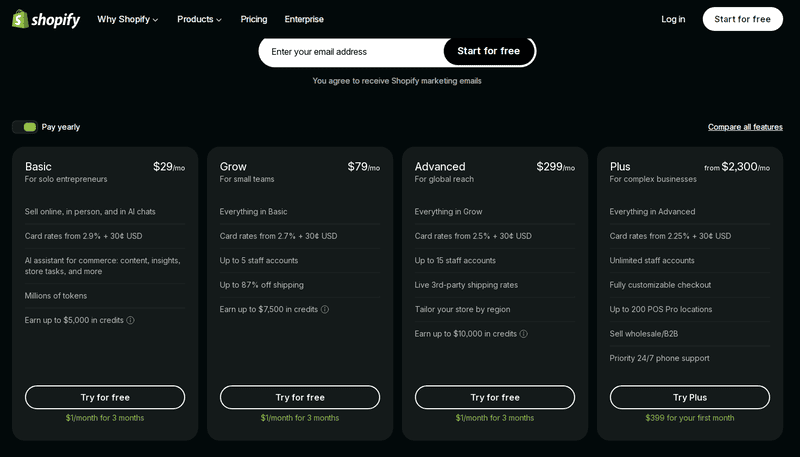
However, pricing in ecommerce is not just about monthly subscription fees.
Wix may require additional tools for automation, scaling, or dropshipping workflows. Shopify includes more of these features natively or through its app ecosystem.
Transaction fees also matter:
- Wix can charge additional fees depending on payment setup
- Shopify offers reduced rates when using its native payment system
In real-world scenarios, Wix is often cheaper at the very beginning, while Shopify becomes more cost-efficient as sales volume increases.
Design and Customization
Wix stands out in design flexibility. You can freely move elements, adjust layouts visually, and create highly customized storefronts without coding. This is useful for brands that prioritize aesthetics or storytelling.
Shopify uses a more structured theme system. While less flexible visually, Shopify themes are optimized for speed, mobile usability, and conversion rate. Advanced customization is possible, but usually requires apps or developer support.
The trade-off is clear:
- Wix gives more creative freedom
- Shopify focuses on performance and conversion optimization
SEO Capabilities
Both platforms support SEO, but they differ in execution.
Wix has improved significantly in recent years, offering meta tag editing, URL control, and basic technical SEO settings. For small stores, it is now capable of ranking in search results.
However, Shopify still has advantages in technical SEO performance:
- Faster and more consistent site speed
- Cleaner site structure for product pages
- Better handling of structured data for search results
- Strong integration with Google Shopping
For dropshipping stores that rely on paid traffic or organic product rankings, Shopify generally provides a more stable SEO foundation.
Apps and Integrations
Wix has a smaller app ecosystem, which is generally enough for simple online stores but can feel limiting when you need more advanced operations or automation.
Shopify, on the other hand, offers a much larger ecosystem with thousands of apps that support nearly every aspect of running an ecommerce business, including:
- Dropshipping automation
- Email marketing
- Product reviews
- Upselling and conversion optimization
- Inventory and order syncing
This ecosystem is one of the main reasons Shopify is preferred by scaling dropshipping businesses.
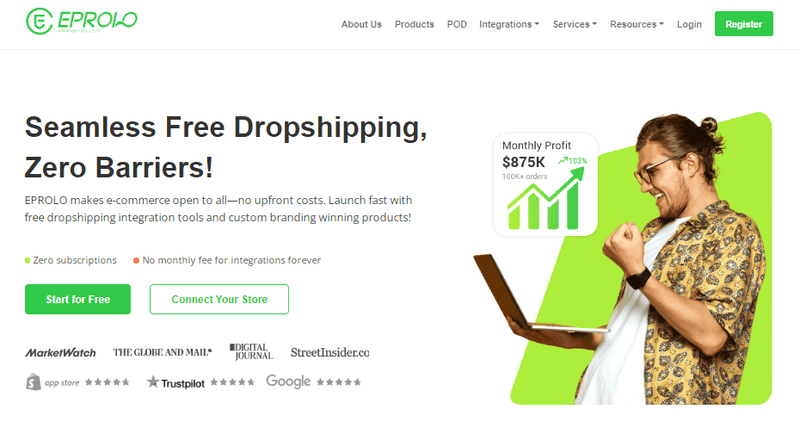
For example, platforms like EPROLO can integrate with Shopify to provide product sourcing, branding options, inventory syncing, and automated fulfillment. This reduces the need for manual work and allows store owners to manage multiple products and suppliers more efficiently.
As stores grow, this difference becomes more important. Shopify’s app ecosystem makes it easier to stack tools and scale operations without relying on manual workarounds.
Performance and Scalability
Wix performs well for small to medium stores but can slow down as product catalogs and traffic grow.
Shopify is built for scalability. Its infrastructure is designed to handle high traffic events, large product catalogs, and spikes in sales without performance issues.
For dropshippers aiming to scale through paid ads or viral traffic, Shopify offers a more stable environment.
Which Is Better for Dropshipping?
For dropshipping specifically, Shopify is generally the stronger choice.
Wix works best for:
- Beginners testing product ideas
- Small catalogs
- Low monthly order volume
Shopify works best for:
- Serious dropshipping businesses
- Automation-heavy workflows
- Scaling to high order volumes
- Multi-supplier operations
The key difference is not what you can build, but how far you can scale without rebuilding your store later.
Final Recommendation
If you are still exploring ecommerce and want a simple way to launch your first store, Wix is a reasonable starting point.
But if your goal is to build a real dropshipping business with automation, suppliers, and long-term scalability, Shopify is the stronger foundation.
Migration is also something to consider. Moving from Wix to Shopify later often involves rebuilding your store structure and potentially losing SEO progress, so choosing Shopify early can save time in the long run.
FAQ
Is Wix good for ecommerce?
Yes, but mainly for small stores. It works well for limited product catalogs and low traffic. It is not ideal for scaling dropshipping operations.
Is Shopify better for beginners?
Wix is easier at first, but Shopify is better if you plan to grow seriously. It depends on whether you want short-term simplicity or long-term scalability.
Can you migrate from Wix to Shopify?
Yes, but it is not seamless. Product data can be exported, but design and SEO structure usually need to be rebuilt.
Which is better for SEO?
Shopify generally performs better due to faster speed, stronger structure, and better integration with Google Shopping.
You May Also Like
Written by Carry
With over 10 years of e-commerce experience, Carry specializes in dropshipping, website management, and marketing strategies. She provides actionable insights that help online sellers grow, optimize their stores, and succeed in a competitive marketplace.