A basic T-shirt and a branded T-shirt may start from a similar garment base, but customers rarely judge apparel by fabric alone. Labels, packaging, product photography, brand story, and the shopping experience all shape perceived value. That is why custom sourcing can help apparel sellers move beyond price-only competition and test a stronger high margin apparel markup strategy.
That does not mean every blank garment can automatically sell for two or three times more. Higher pricing usually works only when landed cost, product quality, audience fit, brand trust, and offer presentation improve together. Shopify’s pricing guidance distinguishes cost-plus pricing from value-based pricing, where the final price reflects what customers believe the product is worth rather than only what it costs to make.
In this guide, we explain how private label clothing sellers can use custom labels, branded packaging, inserts, and collection-level storytelling to improve perceived value, protect margin, and run low-risk pricing tests before scaling. We also highlight where assumptions can go wrong, because premium positioning only works when the full product experience supports the price.
Key Takeaways
- Value-Based Foundations: Successful apparel markups are usually built on value-based execution, not just on manufacturing formulas or arbitrary price increases.
- Custom Tags Can Reduce Commodity Comparisons: Sewn labels, printed neck tags, and branded hang tags can help move shopper attention away from raw blank-garment pricing.
- Packaging Can Reinforce Premium Positioning: Packaging is most effective when it supports quality, story, and consistency rather than acting as a standalone price-justification tool.
- Test Before You Scale: The safest path is to validate one SKU, one upgrade, and one price change at a time before expanding across a full collection.
Table of Contents
What Forms a High Margin Apparel Markup Plan?
A stronger apparel pricing strategy is not built by raising prices randomly. In most cases, it depends on three connected factors: true landed cost, perceived value, and competitive positioning. In 2026, this matters even more because many apparel sellers face higher acquisition costs and tighter margin pressure than they did a few years ago.
Start with your total landed cost. This includes the blank garment, custom label or tag, packaging, printing, fulfillment, shipping, platform fees, returns, and any promotional discount you expect to offer. A markup that looks attractive before fulfillment can shrink quickly once delivery and return costs are included.
Then look at perceived value. For apparel, perceived value can come from fit, design, niche identity, limited drops, product photography, social proof, and a more polished branded experience. Value-based pricing works best when those elements are consistent, not when a seller adds one decorative upgrade and expects the entire market position to change overnight.
Finally, compare your product against the correct benchmark. If your store positions a private label collection as a premium niche product, benchmarking only against generic blank garments may underprice the offer. Compare against brands with similar audience, styling, page quality, and post-purchase experience.
Your Cost Base
Before setting a higher retail price, calculate the cost of getting one finished order into the buyer’s hands. Include:
- blank garment cost
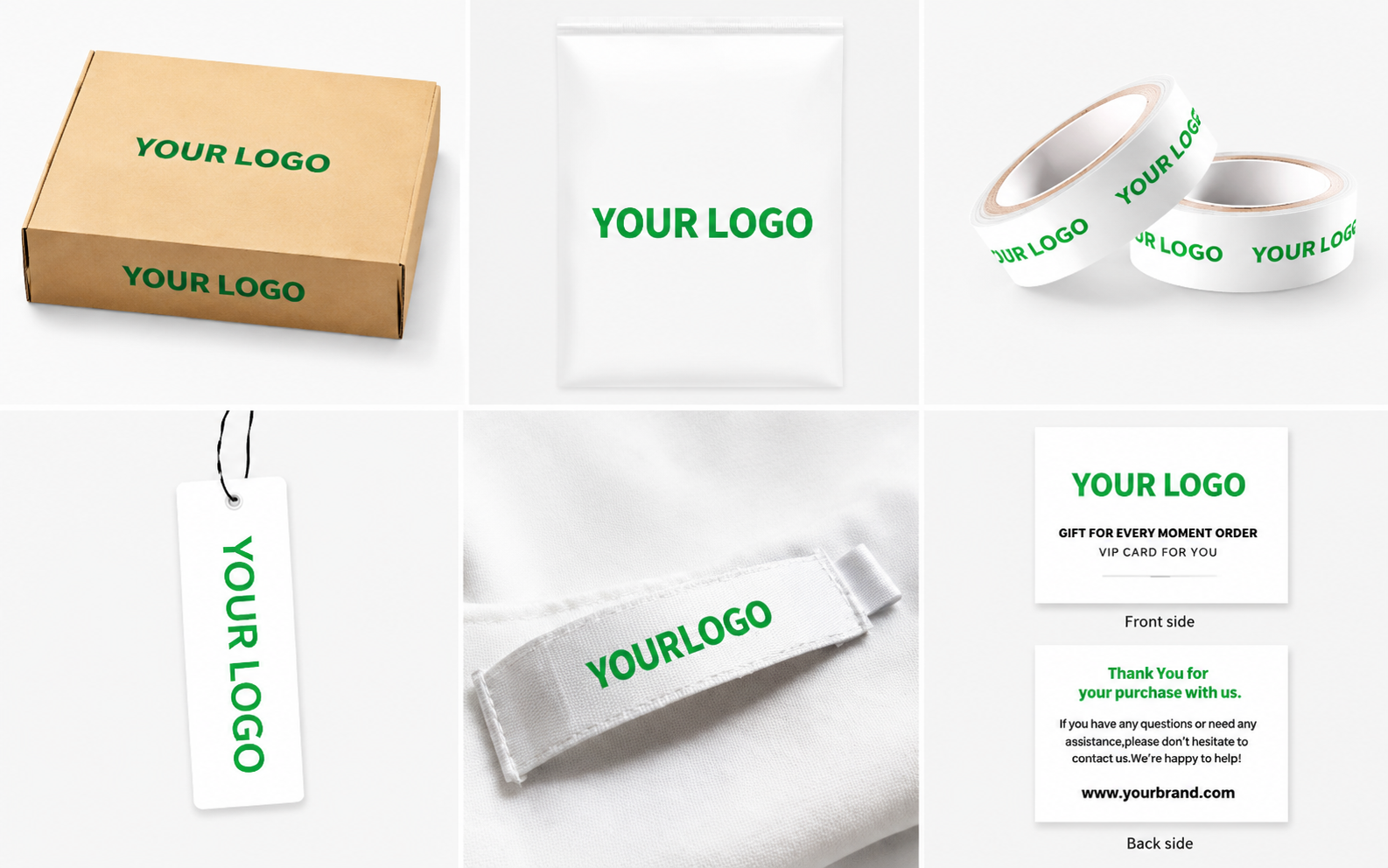
- custom label, neck tag, hang tag, or printed tag cost
- packaging, insert card, sticker, or printed mailer cost
- shipping and fulfillment cost per order
- platform fees, payment fees, expected discounting, and return allowance
Use the final number as your pricing floor. Any upgrade should support at least one of these outcomes: a higher selling price, stronger conversion, better repeat purchase behavior, or clearer differentiation from generic competitors.
Your Brand Story
Without a brand story, a shirt is easy to compare with every other blank garment online. A stronger story gives customers a reason to understand why the item belongs in a specific collection and why the price is different from a generic alternative.
This matters because private label products continue to gain acceptance globally. NIQ reported in 2024 that half of global respondents said they were buying more private label products than ever before, while private labels delivered 5.6% value sales growth over a 12-month period as of Q2 2024. For apparel sellers, the lesson is not simply “add a logo.” The brand story should connect the product to a clear audience, use case, style identity, or collection theme.
Your Price Anchor
A price anchor tells buyers what category your product belongs to. If your product page, photography, label, packaging, and copy all look generic, customers are more likely to compare your price against low-cost blanks. If the full experience feels consistent and branded, customers may compare it against niche apparel collections instead.
Use price anchors carefully. Review three groups before launch: generic blank products, direct niche competitors, and premium brands with similar styling. Your target price should be supported by the product experience, not just by the margin you want to achieve.
Why Custom Tags Can Reduce Direct Price Comparison
Low-cost competitors usually win when customers compare only fabric, color, and base garment cost. Custom tags and labels can help shift that comparison from “blank shirt vs. blank shirt” to “branded product vs. generic alternative.” That shift does not guarantee a higher price will succeed, but it can reduce direct commodity-style comparisons.
A sewn label, printed neck tag, or hang tag can support three jobs:
- make the item feel like part of a real collection
- reinforce the brand name after delivery
- reduce the chance that buyers judge the item only by the blank garment cost
However, labels do not create pricing power on their own. They work best when paired with clear photography, consistent brand colors, strong size and fit information, trustworthy reviews, and a product page that explains the collection concept.
Illustrative Pricing Scenario
The example below is not an industry average. It is a simplified unit-economics model showing how small branding costs may affect gross profit when they support higher perceived value. It excludes paid acquisition, platform commissions, return losses, and category-specific demand differences.
| Item | Generic Blank | Branded Apparel Item |
|---|---|---|
| Estimated unit cost | $6.00 | $6.80 |
| Example retail price | $14.00 | $28.00 |
| Gross profit before fees, ads, shipping, and returns | $8.00 | $21.20 |
Use this kind of model only as a starting point. Before rolling pricing changes across a full collection, track conversion rate, average order value, refund rate, repeat purchase rate, and customer feedback on the upgraded item.
Choosing a Tag Style That Fits Your Price Point
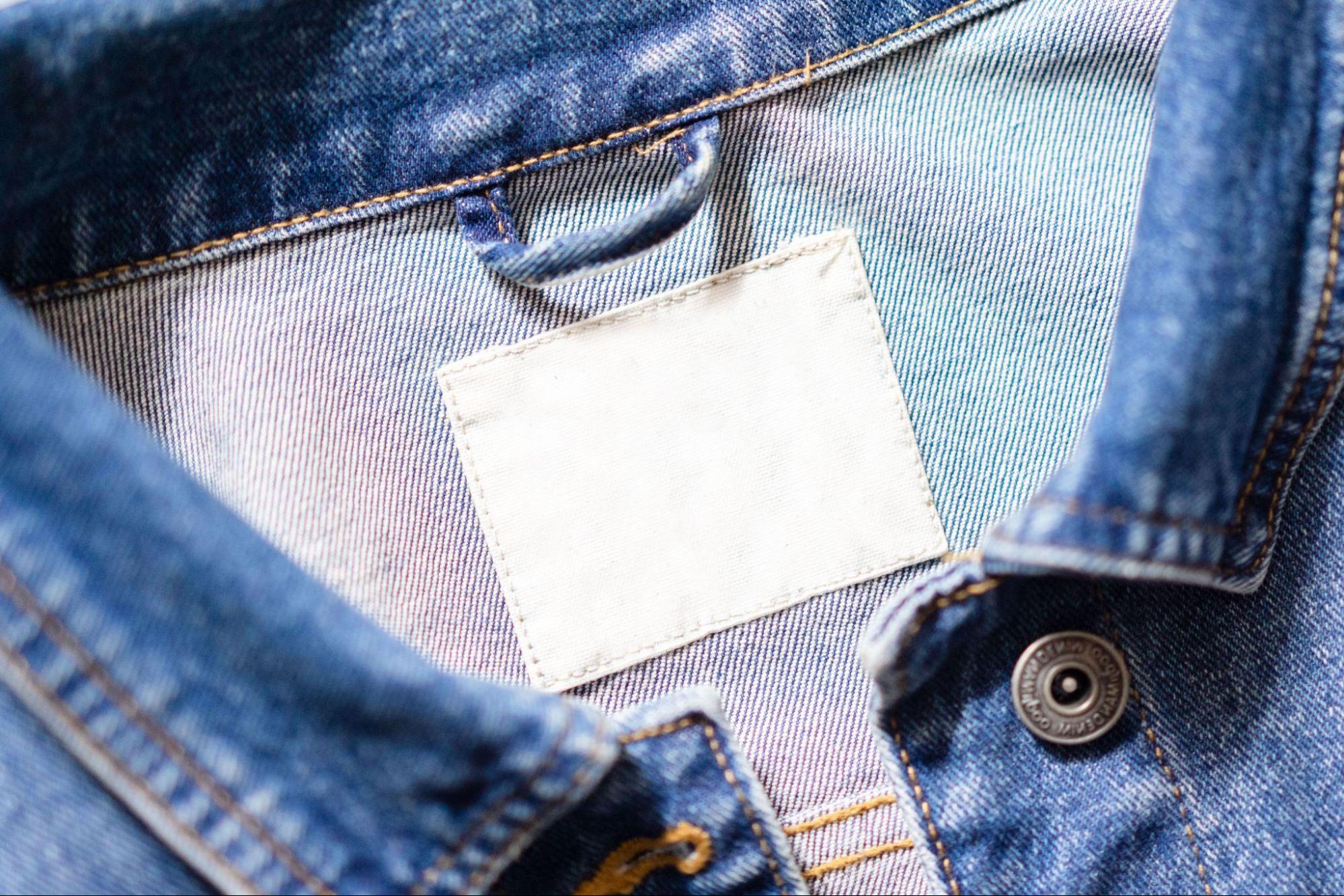
Not every tag style fits every price point. A woven label with clean stitching may suit a higher-priced hoodie, jacket, or capsule collection. A printed neck tag may be enough for a lightweight T-shirt or test product. A hang tag can help explain materials, care instructions, brand values, or limited-drop details.
Choose the tag based on the story and price you want the product to support. The cheapest option is not always the best one, but the most expensive option is not automatically the most profitable either. Test one or two SKUs first, then scale the tag style that improves perceived value without damaging margin.
How to Use Structured Packaging to Support a Custom Apparel Packaging Markup
Packaging is often the first physical brand touchpoint after purchase. For online apparel stores, that matters because the customer cannot feel the product before buying. The delivery and unboxing experience become part of how buyers judge quality, professionalism, and whether a higher price felt justified.
That said, packaging alone rarely creates sustainable pricing power. It works best when paired with strong product pages, consistent styling, and a garment that meets expectations when it arrives. If the clothing quality disappoints, even premium packaging will not protect long-term margin.
Packaging research still provides useful directional evidence. Packaging World’s coverage of Dotcom Distribution’s ecommerce packaging study reported that when consumers saw premium packaging, 51% said the brand seemed more upscale, 41% were more excited to open the package, and 34% were more likely to buy from the brand again. Separately, Ryder’s 2024 E-commerce Consumer Study surveyed 1,306 U.S. shoppers and highlighted packaging, shipping, returns, and loyalty as key parts of ecommerce behavior. These studies do not prove every store will earn a premium, but they do support the broader point that presentation influences perception.
Boxes and Mailers
A branded box, mailer, or sleeve should match the price point of the product. For a premium hoodie or capsule drop, a custom mailer or box can reinforce the collection identity. For a lower-priced T-shirt, a clean poly mailer with a branded sticker may be more cost-effective. The goal is not to spend the most on packaging; it is to align the unboxing experience with the product’s retail position.
Inserts and Thank You Cards
Insert cards should do more than say thank you. Use them to explain the collection story, invite a review, offer a repeat-purchase incentive, or guide customers to a styling page. This makes the insert part of the post-purchase journey rather than a decorative extra.

Tissue Paper and Stickers
Tissue paper, seals, and stickers can make an order feel more intentional. Use them selectively. If packaging costs rise faster than conversion, average order value, or repeat purchase rate, keep the branding simpler. A practical custom apparel packaging markup strategy should improve margin discipline, not weaken it.
How to Test Whether Branding Supports a Higher Price
Do not apply a higher markup across the whole store at once. Start with one proven SKU and test one branding upgrade at a time. This protects cash flow and gives you a clearer signal about what actually changed performance.
A practical testing plan:
- choose one product with stable traffic and sales
- add one custom label or one packaging upgrade
- create two price points, such as the current price and a modest premium price
- run the test for two to four weeks, depending on order volume
- compare conversion rate, margin per order, refund rate, repeat purchase rate, and customer comments
This is where many sellers make a mistake: they look only at gross revenue. A better decision framework is to ask whether the higher price improved profit per visitor or profit per order after the added branding cost was included.
PwC’s 2024 Voice of the Consumer Survey found that consumers may pay more when they see product attributes they value. For example, 80% of consumers said they were willing to pay more for sustainably produced or sourced goods, with an average stated premium of 9.7%. This should not be used to claim all apparel buyers will pay 9.7% more, but it supports the broader principle that perceived value can influence willingness to pay.
Blank Garments vs a Unified Private Label Collection
There is a meaningful difference between selling blank garments and merchandising a unified private label collection. In some cases, the base garment may be similar, but the buying experience is not.
- Blank garments are often judged mainly on price, which can put pressure on margin.
- A private label collection has more room to compete on identity, presentation, and audience fit.
- Blank garments are easier for shoppers to compare directly across multiple stores.
- A branded collection may reduce direct low-price comparisons when the visuals, labels, packaging, and product story all feel consistent.
- Low-price blank buyers may purchase opportunistically.
- A stronger branded collection has a better chance of generating repeat demand when each release feels part of the same line.
This is where private label clothing store profits can outperform a pure blank-reseller model. The difference usually comes from stronger perceived value, cleaner positioning, and better customer retention rather than from branding alone.
What Apparel Sellers Usually Test First
From an operations perspective, the most practical upgrades are usually the ones that improve perceived value without creating excessive complexity. Based on common ecommerce workflows, apparel sellers often start with the following combinations:
- T-shirts: printed neck labels, simple hang tags, or lightweight branded inserts
- Hoodies and jackets: woven labels, cleaner packaging, and more polished product photography
- Capsule collections: coordinated tags, inserts, landing-page copy, and collection-based storytelling
- Best-selling SKUs: the safest testing candidates because traffic is already stable enough to measure impact
If you use a sourcing partner, document every upgrade clearly: tag placement, print method, insert wording, packaging type, and target price point. The more consistent your inputs are, the more useful your test results will be.
Launch Your Private Label Collection with Better Margin Control
A higher-priced apparel offer is rarely created by one logo, one mailer, or one packaging change. More often, it comes from a combination of product quality, accurate cost control, better presentation, and a collection story that feels coherent to the buyer.
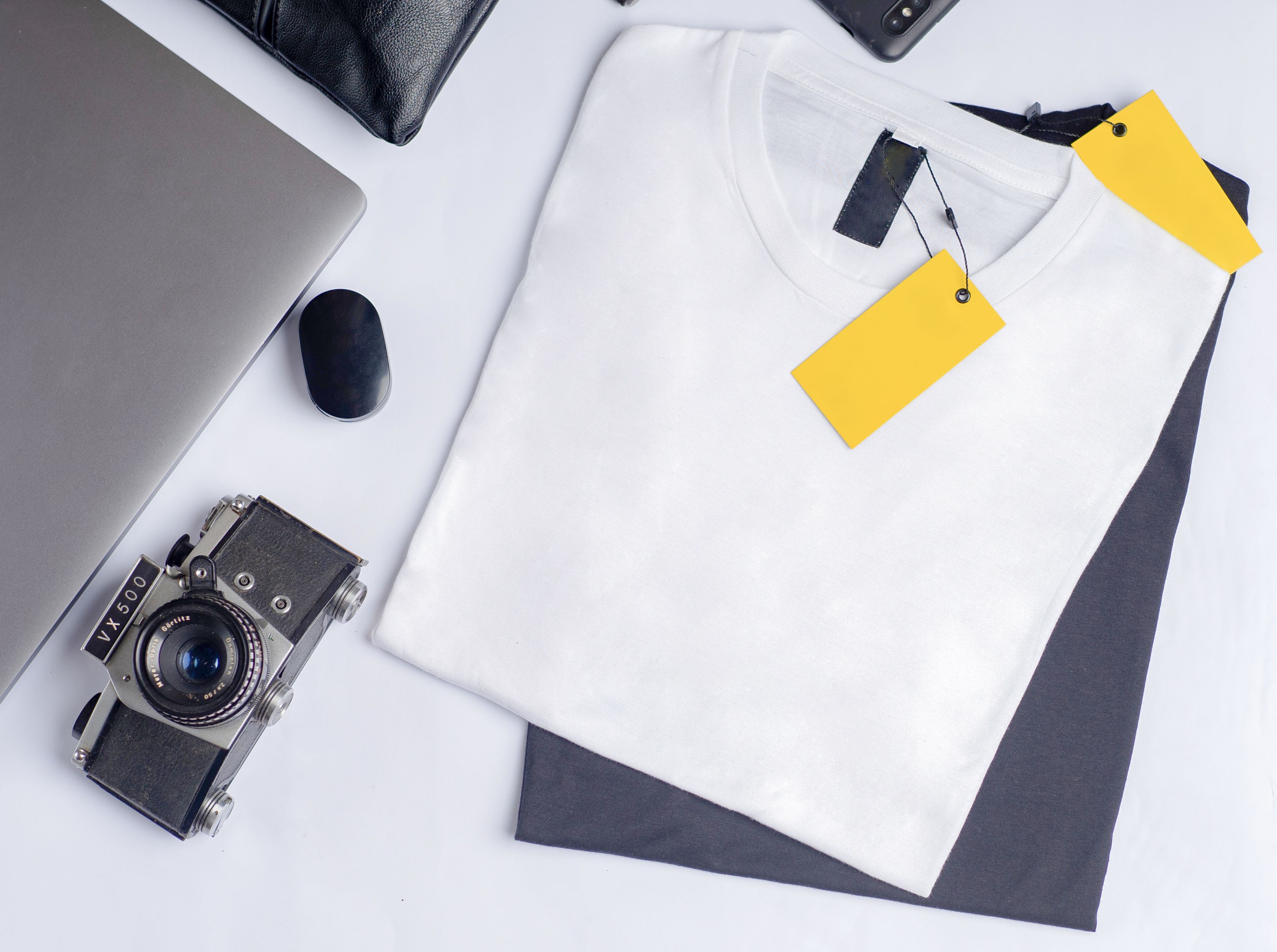
Start small. Choose one product, introduce one branding upgrade, and test one price change. Watch how customers respond before scaling your full collection. Small experiments protect your budget while helping you learn what your audience is willing to pay for.
A quick checklist for a safer rollout:
- choose one proven product for testing
- introduce one label or packaging enhancement
- benchmark against brands in your actual niche, not only against blank products
- measure conversion, margin, refund rate, and repeat orders
- scale only when the upgraded offer improves business performance, not just branding appearance
This gradual approach lowers risk and gives you a more reliable path to better margin over time.
Frequently Asked Questions
How much does custom packaging add to total clothing unit costs?
It depends on the packaging type, order volume, and print requirements. A simple mailer, sticker, and insert set may add a relatively small amount per order, while fully branded boxes usually cost more. The key question is not just the packaging cost itself, but whether the upgrade improves conversion, average order value, or repeat purchase enough to justify it.
Will customers pay higher prices for dropshipped clothing items?
In some cases, yes. Customers can accept higher prices for dropshipped apparel when the product quality, branding, photography, fit information, and delivery experience support that price point. The source model alone does not determine what shoppers will pay; perceived value and trust usually matter more.
What brand assets are needed to support higher retail markups?
Most stores benefit from a consistent logo system, custom label or printed tag, branded packaging elements, clear product photography, and product pages that explain what the collection stands for. A simple brand style guide covering color usage, fonts, copy tone, and label placement can also help each new product feel like part of the same collection.
Read More from EPROLO Blog
Written by
With over 10 years of e-commerce experience, Carry specializes in dropshipping, website management, and marketing strategies. She provides actionable insights that help online sellers grow, optimize their stores, and succeed in a competitive marketplace.