The global e-commerce market has transformed the way entrepreneurs enter the fashion industry. Among emerging business models, clothing dropshipping offers a low-risk way to make money without holding inventory.
A successful dropshipping business depends on careful planning, supplier selection, and strategic brand development. Here you'll learn essential strategies for store setup, branding, marketing, and operational best practices to build, scale, and optimize a profitable clothing dropshipping business.
Key Takeaways
- Profitable in 2026: Clothing dropshipping remains profitable with clear niche positioning, strong branding, and operational efficiency—not just generic stores.
- Niche is everything: Focused niches (streetwear, athleisure, modest fashion, etc.) enable precise messaging, better retention, and higher conversion rates.
- Supplier reliability drives success: Product quality, fast shipping, branding options (private label), and seamless integration separate winning stores from struggling ones.
- Brand > store: Long-term profitability depends on building a recognizable brand with custom packaging, consistent identity, and data-driven scaling—not just quick sales.
Table of Contents
Is Clothing Dropshipping Profitable in 2026?
Clothing dropshipping remains profitable in 2026 for entrepreneurs who approach it with clear positioning and disciplined execution. Global demand for apparel continues to grow, driven by social commerce, influencer marketing, and niche community brands. Consumers increasingly favor online fashion retailers that offer convenience, variety, and trend responsiveness.
Profitability, however, depends on strategic differentiation. General clothing stores face intense competition and thin margins. Focused niche stores with strong branding, curated collections, and targeted advertising campaigns achieve stronger customer loyalty and repeat purchase rates. Private labeling and customized packaging further increase perceived value and pricing flexibility.
Operational efficiency directly affects margins. Reliable dropshipping clothing suppliers, accurate sizing charts, high-quality product images, and transparent shipping timelines reduce refund rates and chargebacks. Data-driven advertising combined with email retention marketing improves lifetime customer value. When systems are optimized and branding is consistent, clothing dropshipping can generate scalable and sustainable profits in 2026.
How to Start a Dropshipping Clothing Business
Launching a clothing dropshipping business requires structured planning, supplier evaluation, and brand clarity. Clear niche selection, reliable fulfillment partnerships, and optimized marketing strategies form the foundation of a sustainable store. Each step should strengthen differentiation and operational control while minimizing risk.
1. Choose Your Clothing Niche
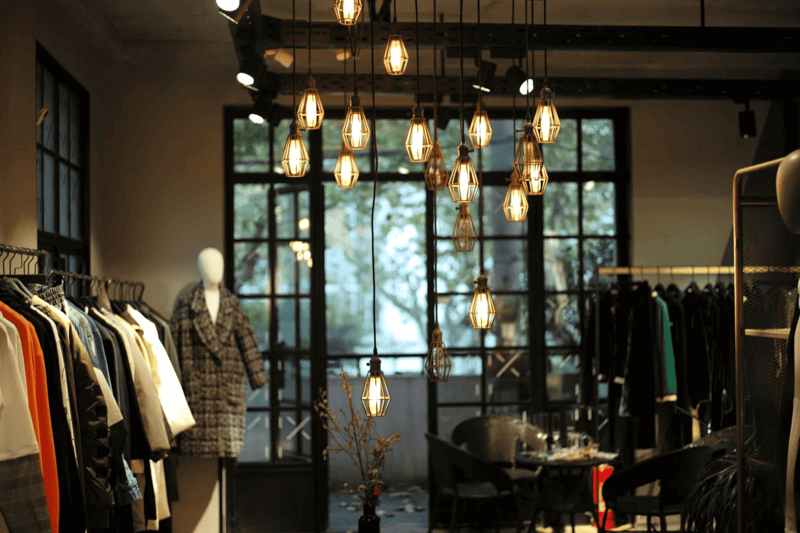
Niche selection determines your target audience, marketing strategy, and pricing model. Broad fashion stores often struggle to compete with established marketplaces. A focused niche allows precise messaging, stronger brand identity, and better customer retention.
A well-defined niche also simplifies product sourcing and advertising. Marketing campaigns perform more effectively when tailored to a specific audience segment with shared interests or lifestyle preferences. Clear positioning increases trust and conversion rates.
Long-term growth depends on selecting a profitable niche with consistent demand rather than short-lived trends. Market research, competitor analysis, and audience insights help identify segments with sustainable purchasing power.
Popular profitable niches
- Streetwear: Strong demand among younger consumers influenced by social media and urban culture. Limited-edition drops and bold designs increase perceived exclusivity and urgency.
- Women’s fashion: One of the largest online retail segments. Subcategories such as workwear, casual wear, and occasion dresses allow further specialization and targeted marketing.
- Athleisure: Blends comfort and functionality, appealing to health-conscious consumers. Products such as leggings, performance tops, and coordinated sets generate repeat purchases.
- Modest fashion: Serves a global market seeking stylish yet culturally appropriate apparel. Specialized branding builds strong loyalty within this segment.
- Eco-friendly clothing: Sustainable fashion attracts environmentally conscious consumers. Organic fabrics, recycled materials, and ethical sourcing enhance brand credibility and allow premium pricing.
- Plus-size fashion: Addresses underserved demand in the fashion industry. Accurate sizing information and inclusive marketing strengthen customer trust.
- Baby & kids clothing: Parents consistently purchase clothing for growing children. Safety, comfort, and affordability remain key decision factors in this niche.
How to validate a niche
Niche validation requires measurable demand indicators. Search volume analysis, social media engagement, and marketplace best-seller rankings reveal consumer interest. Consistent upward trends suggest a sustainable opportunity.
Competitor analysis provides additional insight. Evaluate pricing structures, branding quality, customer reviews, and advertising strategies. A niche with demand but limited strong branding presents room for differentiation.
Testing small product batches through paid advertising campaigns helps confirm the product's viability. Early sales data, cost-per-acquisition metrics, and customer feedback guide product selection before scaling.
2. Find Reliable Dropshipping Clothing Suppliers
Supplier reliability directly affects customer satisfaction and brand reputation. Product quality, shipping consistency, and responsiveness to communication determine long-term sustainability. Careful vetting reduces operational disruptions.
Strong supplier partnerships allow better pricing negotiations and branding flexibility. Transparent communication and consistent fulfillment timelines build trust between seller and supplier. Long-term collaboration improves scalability.
Testing suppliers through sample orders ensures product accuracy and consistency in quality. Inspection of stitching, fabric feel, sizing accuracy, and packaging standards protects your brand image.
What to look for in a supplier
- Product quality: High-quality materials and accurate sizing reduce return rates and negative reviews. Sample testing verifies consistency before product listing.
- Fast shipping: Reliable delivery timelines improve customer satisfaction. Clear tracking systems enhance transparency and reduce support inquiries.
- Branding options: Private labeling, custom tags, and branded packaging strengthen brand identity and allow premium brand positioning.
- Inventory sync: Real-time inventory updates prevent overselling and order cancellations. Automated stock synchronization ensures accurate product availability.
- Easy integration: Seamless integration with eCommerce platforms simplifies order processing. Automated fulfillment reduces manual errors and administrative workload.
- Returns & policies: Clear return procedures protect customer trust. Defined policies for damaged or incorrect items prevent disputes and maintain operational control.
A structured supplier evaluation process strengthens reliability and supports scalable growth in the competitive clothing dropshipping market.
Top Dropshipping Suppliers
Selecting the right clothing dropshipping supplier determines product quality, shipping speed, branding flexibility, and overall customer satisfaction. Here are some top dropshipping suppliers for your fashion store:
1. EPROLO
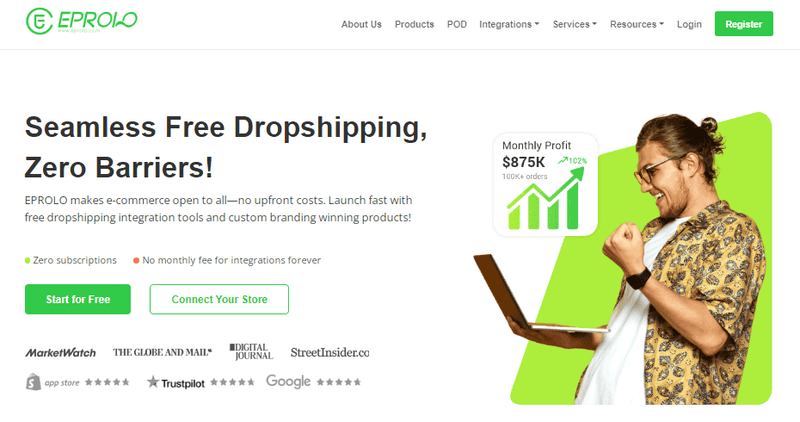
EPROLO is a free dropshipping supplier that offers apparel sourcing, private labeling, and automated order fulfillment. The platform integrates directly with major e-commerce systems, allowing real-time inventory updates and streamlined order processing. Its product catalog includes fashion apparel, accessories, and custom-branded packaging options.
The supplier offers private-label services, enabling entrepreneurs to add custom logos, tags, and packaging inserts. This feature makes it suitable for sellers who want to transition from generic dropshipping toward brand development. Automated fulfillment and centralized dashboards simplify operational management.
Shipping times vary depending on product origin and destination, but EPROLO provides tracking details to enhance transparency. Entrepreneurs seeking a combination of automation and branding flexibility often consider this supplier a practical starting point.
2. Inkedjoy
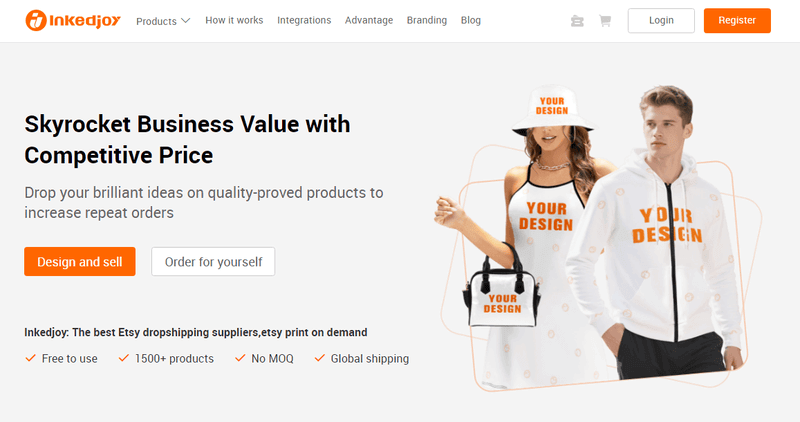
Inkedjoy specializes in print-on-demand apparel and accessories. The platform allows sellers to create custom clothing designs without holding inventory. Products are manufactured only after an order is placed, reducing upfront risk and eliminating the need for stock storage.
Customization options include private labeling, branded packaging, and personalized product inserts. This flexibility supports entrepreneurs building niche clothing brands with unique graphics or messaging. The design interface enables easy product mockups and visual previews.
Shipping timelines depend on production volume and destination. Print-on-demand businesses must clearly communicate processing times to maintain customer expectations. Inkedjoy suits entrepreneurs focused on creative branding and limited-edition designs rather than mass-produced inventory.
3. Printful
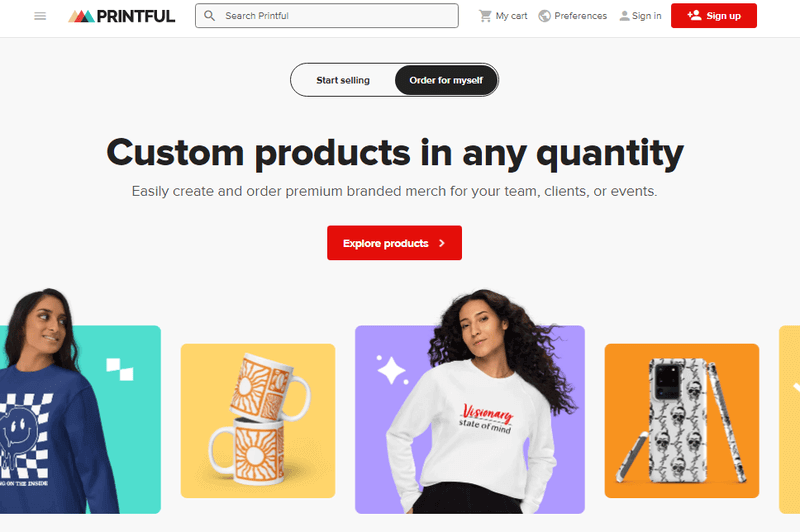
Printful is an established print-on-demand supplier known for product quality and reliable fulfillment infrastructure. It offers a wide range of customizable apparel, including t-shirts, hoodies, leggings, and accessories. Warehouses across multiple regions enable faster delivery in key markets.
The platform integrates seamlessly with leading eCommerce systems and marketplaces. Automated syncing ensures orders are processed immediately after purchase. Printful also offers branding features such as inside labels, pack-ins, and custom packaging, helping entrepreneurs strengthen brand identity.
Product pricing tends to be higher than some alternatives, but quality control standards and consistent print results justify the premium for many sellers. Businesses that prioritize professional production standards and international reach often choose Printful.
4. BrandsGateway
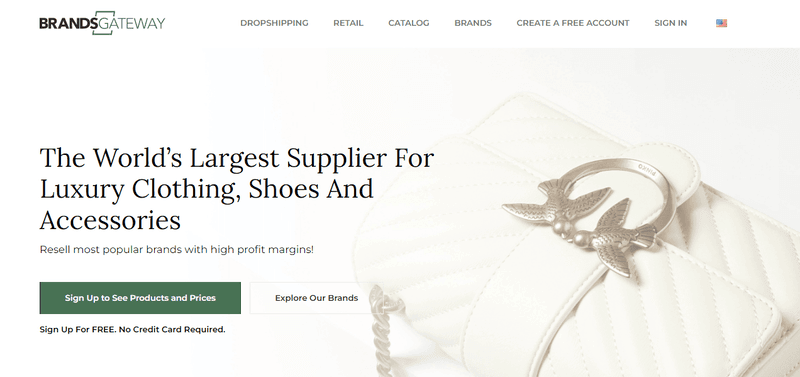
BrandsGateway focuses on dropshipping luxury and designer fashion. The platform provides access to premium clothing brands and high-end accessories. This supplier targets entrepreneurs who want to operate in the luxury segment rather than fast fashion categories.
Products are sourced directly from authorized distributors, reducing concerns about authenticity. High-ticket pricing can yield higher profit margins, though marketing strategies must align with affluent audiences.
Integration with Shopify and other platforms enables automated inventory syncing. Businesses targeting upscale customers and premium branding may find BrandsGateway aligned with their positioning strategy.
5. Trendsi
Trendsi specializes in women's clothing, focusing on boutique-style apparel. The supplier offers both ready-to-ship items and made-to-order products, allowing flexibility in fulfillment strategy. Inventory management tools help prevent overselling.
The platform provides professional product images and model photography, reducing the need for separate content production. This advantage supports new entrepreneurs who want to launch quickly without investing heavily in visual assets.
Branding options and U.S.-based fulfillment for certain products improve delivery times and customer trust. Trendsi is particularly suitable for entrepreneurs targeting women’s fashion niches with boutique-style positioning.
3. Set Up Your Dropshipping Store
A structured store setup transforms supplier access into a revenue-generating business. Platform selection determines operational control, scalability, and customer acquisition strategy. Each selling channel offers distinct advantages and challenges.
E-commerce Platforms
eCommerce platforms like Shopify provide full control over branding, product presentation, and customer experience. Entrepreneurs can design custom storefronts, install automated apps, and integrate directly with dropshipping suppliers. Payment processing, analytics, and inventory management are centralized within a single dashboard.
Ownership of customer data enables advanced marketing strategies such as email campaigns and loyalty programs. Long-term brand building benefits significantly from this control. Subscription fees and advertising costs require budgeting discipline, but the flexibility supports scalable growth.
Marketplaces
Marketplaces like Amazon offer immediate access to a massive customer base. Product listings can gain visibility quickly through optimized keywords and competitive pricing. Trust in the platform’s infrastructure often increases conversion rates.
Competition is intense, and branding opportunities are limited compared to independent stores. Strict performance metrics and compliance requirements demand operational consistency. Amazon suits entrepreneurs prioritizing traffic volume over brand autonomy.
Social Commerce (TikTok Shop)
More and more online sellers choose to start their business on social commerce like TikTok Shop where integrates product selling directly within social content. Short-form video marketing drives discovery, making it ideal for visually engaging clothing products. Viral trends can generate rapid sales spikes.
Success on TikTok depends on consistent content production and audience engagement. Influencer collaborations and user-generated content amplify reach. Social commerce platforms favor trend-driven strategies and fast-moving inventory.
A multi-channel approach often strengthens revenue stability. Combining an independent store with marketplace exposure and social selling diversifies traffic sources and reduces reliance on a single platform.
4. Build Your Clothing Brand (Not Just a Store)
Long-term profitability in clothing dropshipping depends on brand development rather than short-term product arbitrage. A store sells products; a brand creates recognition, trust, and emotional connection. Customers are more likely to return when they identify with a brand’s message and values.
Brand identity begins with clear positioning. Define your target audience, core values, and visual style. Consistent typography, color schemes, and tone of voice establish professionalism. Social media presence should align with the same identity across platforms.
Product presentation reinforces brand perception. High-quality mockups, detailed sizing guides, and transparent shipping policies reduce uncertainty. Custom packaging and personalized inserts enhance the unboxing experience and encourage repeat purchases.
Marketing strategies should reflect brand storytelling rather than aggressive discounting. Content marketing, influencer partnerships, and email nurturing campaigns strengthen long-term relationships. Customer feedback and reviews further enhance credibility.
Trademark registration and intellectual property protection safeguard your brand as it grows. Scaling beyond basic dropshipping may involve bulk ordering, warehousing, or exclusive supplier agreements. Strategic reinvestment of profits supports product expansion and market penetration.
A clothing dropshipping business becomes sustainable when systems, suppliers, and branding align toward a unified goal. Entrepreneurs who prioritize differentiation, customer experience, and operational reliability position themselves for continued growth in an increasingly competitive fashion market.
5. Market Your Clothing Dropshipping Business
Marketing is essential for building visibility, driving sales, and establishing long-term brand credibility. A strong marketing strategy combines organic content, paid promotion, and community engagement to attract the right audience and convert them into loyal customers. Consistent brand messaging, product storytelling, and lifestyle-driven content help create emotional connection and trust with your target market.
Key marketing strategies include:
- Social media marketing: Use platforms like Instagram, TikTok, and Facebook to showcase products, styling ideas, and brand lifestyle content that drives engagement and awareness.
- Influencer collaborations: Partner with niche influencers and content creators to expand reach and build trust within targeted communities.
- Paid advertising campaigns: Run targeted ads using demographic, interest, and behavior-based targeting to maximize ROI.
- Email marketing: Convert first-time visitors into repeat buyers through promotions, new arrivals, and seasonal campaigns.
- Retargeting campaigns: Re-engage visitors who didn’t convert with personalized ads and reminders.
- SEO optimization: Improve search rankings with keyword-focused content to increase organic traffic and store discovery.
Strategic, multi-channel marketing not only increases sales but also strengthens brand recognition, customer loyalty, and long-term business growth.
6. Manage Order Fulfillment & Customer Experience
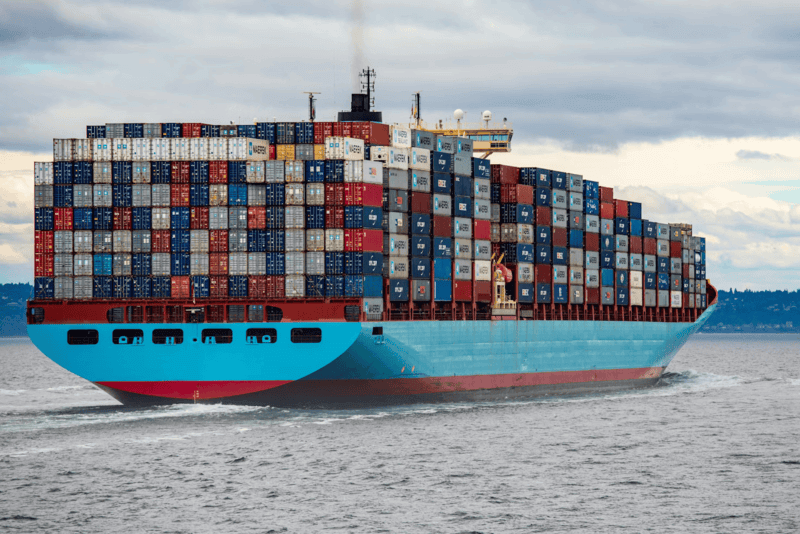
Reliable order fulfillment and exceptional customer experience are critical to retaining customers. Ensuring timely shipping, accurate order processing, and clear communication reduces returns, complaints, and negative reviews. Automated tools integrated with your store can streamline inventory updates, order tracking, and notifications, improving operational efficiency.
Maintaining transparency throughout the fulfillment process strengthens customer trust. Provide tracking numbers, estimated delivery times, and proactive updates when delays occur. Handling returns and exchanges promptly, with clear instructions, demonstrates professionalism and reinforces positive brand perception.
Customer service should prioritize responsiveness and personalization. Quick responses to inquiries, efficient issue resolution, and gathering feedback can enhance loyalty. A robust fulfillment process, combined with attentive service, differentiates your store in a competitive clothing dropshipping market.
7. Scale & Optimize Your Fashion Brand
Scaling a fashion brand requires a strategic balance between growth, operational efficiency, and brand development. Transforming a dropshipping store into a sustainable and recognizable fashion brand involves expanding product offerings, strengthening supplier relationships, leveraging automation, and making data-driven decisions. Each of these elements contributes to maintaining quality, increasing revenue, and building long-term customer loyalty.
Key strategies for scaling your fashion brand include:
- Expanding product lines: Introduce complementary apparel items, seasonal collections, and accessories that align with your niche. Thoughtful expansion increases repeat purchases while preventing brand dilution.
- Private labeling: Differentiate your brand with custom labels, branded packaging, and exclusive product designs. Private labeling builds trust, creates a premium brand image, and allows flexible pricing strategies.
- Branding evolution: Evolve your visual identity, messaging, and social presence to reflect growth and market trends. Consistent branding across all channels strengthens recognition and customer connection.
- Supplier optimization: Build strong, long-term supplier partnerships to ensure product quality, faster shipping, and better pricing. Multiple supplier relationships reduce risk and increase operational stability.
- Multi-channel selling: Expand across platforms such as independent eCommerce stores, marketplaces, and social commerce channels. Diversifying sales channels increases reach and reduces dependency on a single traffic source.
- Automation tools: Automate inventory syncing, order processing, and marketing workflows to reduce errors, improve efficiency, and free time for strategic growth initiatives.
- Data-driven decisions: Use analytics to track sales trends, customer behavior, and marketing performance. Metrics like conversion rates, return rates, and best-selling products guide smarter scaling decisions.
This structured approach ensures your fashion brand maintains quality, strengthens identity, and maximizes revenue while preparing for sustainable long-term growth in the competitive dropshipping market.
Conclusion
Starting a clothing dropshipping business requires structured planning, supplier due diligence, and consistent brand positioning. Product selection, pricing strategy, store optimization, and marketing execution determine long-term sustainability.
Clear differentiation in a competitive apparel market allows you to build customer trust and repeat sales rather than relying solely on one-time transactions.
Sustainable success depends on brand development rather than short-term trends. A focused niche, cohesive visual identity, and consistent messaging help establish authority within your target market. When systems are optimized, and customer experience remains a priority, a clothing dropshipping business can evolve into a scalable and resilient eCommerce operation.
Frequently Asked Questions (FAQ)
Is it profitable to dropship clothes?
Clothing dropshipping can be profitable when margins, marketing costs, and supplier pricing are carefully managed. Profitability depends on selecting a defined niche, offering differentiated designs or value propositions, and maintaining effective advertising strategies. Strong branding and repeat purchases significantly improve long-term returns compared to trend-based selling.
Is dropshipping clothes legal?
Dropshipping clothing is legal in most countries, provided business regulations, tax requirements, and consumer protection laws are followed. Compliance includes registering your business where required, collecting and remitting applicable taxes, and ensuring that product descriptions accurately represent the items you sell. Intellectual property laws must also be respected, especially when selling branded or trademarked apparel.
Can I dropship my own clothing brand?
Dropshipping can support your own clothing brand through private labeling or print-on-demand partnerships. Suppliers like EPROLO can manufacture and ship products featuring your custom designs and branding. Brand ownership requires attention to quality control, packaging consistency, and trademark registration to protect your intellectual property. A well-defined brand identity strengthens customer loyalty and pricing flexibility.
How much does it cost to start a clothing dropshipping business?
The cost to start a clothing dropshipping business depends on your choices in platform, branding, and marketing. You'll need to budget for your eCommerce subscription, domain name, product samples, and ads. While a basic start-up can cost a few hundred dollars, a more competitive approach requires a larger investment.
Read More from EPROLO Blog
Written by Carry
With over 10 years of e-commerce experience, Carry specializes in dropshipping, website management, and marketing strategies. She provides actionable insights that help online sellers grow, optimize their stores, and succeed in a competitive marketplace.