The fashion industry is vast, vibrant, and constantly evolving. Millions of consumers worldwide buy clothing online every day, making fashion one of the most competitive and lucrative ecommerce categories. But if you’ve ever browsed an online marketplace, you know one thing quickly becomes clear: “fashion” is too broad of a label to build a successful brand around. To make real traction — whether you’re launching a generic fashion business or planning to build an apparel brand — you need to find a profitable niche.
In this guide, we’ll walk you through everything you need to know about identifying profitable clothing niches in 2026 — from understanding what a niche truly is, to high-potential niches worth exploring.
Key Takeaways
- Niche specificity drives success: Broad categories like "men's fashion" are crowded; profitable niches (sustainable, plus-size, techwear) build loyalty through shared values.
- Identity over trends: The most sustainable niches in 2026 are values-driven (eco-friendly, gender-neutral, vintage) rather than trend-chasing.
- Audience first: A niche is defined by the people you serve — their motivations, problems, and lifestyle — not just the product category.
- Validation is key: Use search trends, competitor gaps, and small tests (pre‑orders, limited drops) to confirm profitability before scaling.
Table of Contents
What Are Profitable Clothing Niches?
Profitable clothing niches are specific segments of the fashion market where strong demand, clear audience identity, and sustainable business potential come together. Instead of targeting broad categories like “men’s fashion” or “women’s clothing,” successful brands focus on well-defined groups with shared values, lifestyles, and needs.
A profitable niche is not built on trends alone, but on consistent demand and customer loyalty. These niches attract buyers who are willing to spend, return, and build long-term relationships with brands they trust. Whether it’s sustainable fashion, modest wear, plus-size clothing, or luxury resale, profitable niches allow businesses to differentiate, create emotional connections, and avoid competing purely on price.
In today’s fashion industry, real profitability comes from focus, relevance, and identity-driven branding, not mass-market appeal.
Top Profitable Clothing Niches in 2026
Below are some of the most promising clothing niches in 2026 that offer real business potential for brands, dropshipping stores, and ecommerce entrepreneurs.
1. Sustainable & Eco-Friendly Fashion
Sustainable fashion has shifted from a niche interest to a mainstream expectation. Consumers are increasingly aware of environmental impact, fast fashion waste, and unethical production practices. As a result, brands that focus on organic materials, recycled fabrics, ethical sourcing, and transparent supply chains are gaining strong customer trust and loyalty.
This niche is particularly powerful because it is values-driven. Customers are not just buying products — they are supporting a mission. That emotional connection allows sustainable brands to build deeper relationships, create stronger communities, and maintain higher price points without relying solely on discounts or promotions.
2. Athleisure & Activewear
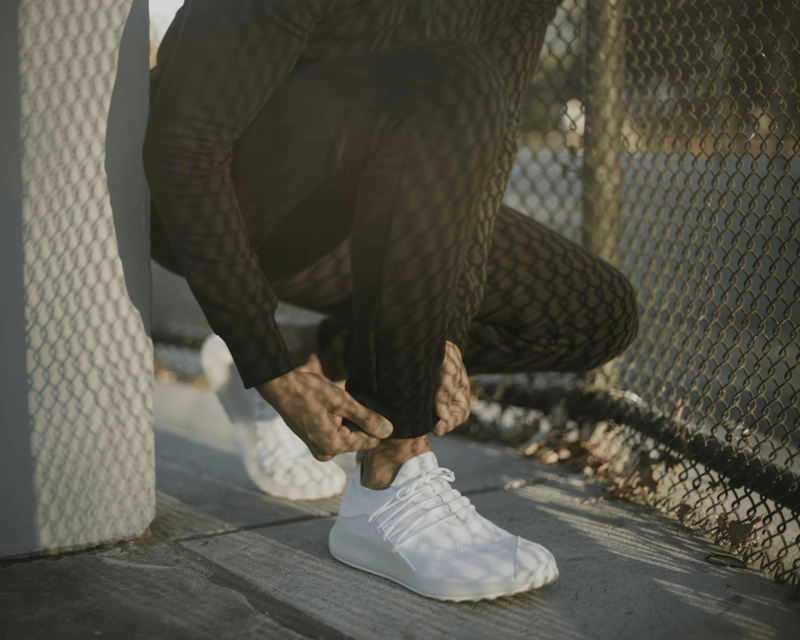
Athleisure continues to dominate modern fashion because of changing lifestyles. With remote work, hybrid schedules, and wellness culture becoming permanent parts of daily life, consumers want clothing that combines comfort, performance, and style.
What makes this niche profitable is its versatility. Activewear is no longer limited to gyms or workouts — it has become everyday fashion. Brands that successfully position their products as both functional and stylish can tap into repeat purchases, strong brand loyalty, and lifestyle branding opportunities.
3. Streetwear & Urban Fashion
Streetwear remains one of the strongest niche markets because it is built on culture, community, and identity. It blends fashion with music, art, gaming, and social movements, creating powerful emotional connections with consumers.
This niche thrives on storytelling, limited drops, exclusivity, and brand personality. Customers don’t just buy streetwear for the product — they buy it for what it represents. Brands that understand community-building and cultural relevance can grow rapidly in this space.
4. Plus-Size Fashion
Plus-size clothing continues to grow because of increased awareness around body positivity, inclusivity, and representation. For years, this market was underserved, with limited choices, poor design quality, and inconsistent sizing.
Today, consumers expect more — better styles, better fit, and better branding. Brands that focus on quality, inclusivity, and authentic representation can build loyal communities and strong brand advocacy in this niche.
5. Gender-Neutral & Unisex Fashion
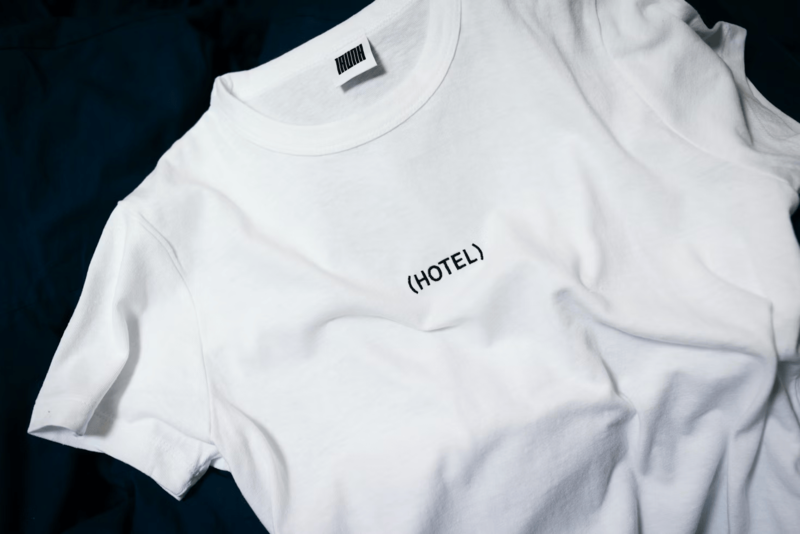
As social attitudes toward identity evolve, more consumers are looking for clothing that is flexible, inclusive, and free from rigid gender labels. Gender-neutral fashion focuses on design, comfort, and individuality rather than traditional categorization.
This niche resonates especially with younger generations who value freedom of expression and inclusivity. Brands that adopt neutral aesthetics, inclusive sizing, and identity-driven storytelling can build meaningful connections with this audience.
6. Techwear & Functional Fashion
Techwear blends modern aesthetics with performance-driven design. It focuses on utility, durability, and function, appealing to consumers who want clothing that supports active, urban, and mobile lifestyles.
This niche is profitable because it delivers real value beyond aesthetics. Customers are often willing to pay more for clothing that offers weather resistance, adaptability, and multi-purpose functionality, making it ideal for premium positioning.
7. Maternity & Postpartum Fashion
Maternity and postpartum fashion is a life-stage niche that meets real, time-sensitive needs. Consumers in this category prioritize comfort, practicality, and confidence during significant life transitions.
This niche performs well because it is problem-solving in nature. Brands that provide thoughtful design, quality materials, and emotional reassurance can build strong trust and repeat engagement, even beyond the maternity phase.
8. Loungewear & Comfortwear

Comfortwear has evolved from home clothing into a lifestyle category. Consumers now seek versatile pieces that can transition between home, work, and social settings without sacrificing comfort.
This niche thrives because it aligns perfectly with modern lifestyles. As people prioritize well-being, flexibility, and comfort, demand for high-quality loungewear and everyday basics continues to grow steadily.
9. Vintage Fashion
Vintage clothing is growing rapidly as consumers embrace individuality, nostalgia, and sustainability. Rather than buying mass-produced clothing, many shoppers prefer unique, story-driven pieces with character and history.
Vintage fashion appeals to customers who value:
- Uniqueness over trends
- Timeless style over seasonal fashion
- Sustainability through reuse
- Personal expression over mass appeal
This niche is powerful because it combines sustainability, identity, and storytelling. Brands in this space often succeed by curating collections, building strong aesthetics, and creating emotional narratives around fashion history and culture.
10. Luxury Resale Fashion

Luxury resale has become one of the fastest-growing segments in the fashion industry. Consumers want access to high-end brands without paying full retail prices, while also supporting sustainability through circular fashion.
Luxury resale combines prestige with practicality. Customers view purchases as both fashion and financial value, making this niche uniquely positioned for long-term growth. Brands that offer authentication, trust, and premium customer experience can build extremely strong loyalty in this space.
How to Choose the Right Fashion Niche for Your Brand
Once you know the popular clothing niches and why they’re profitable, the next step is to find one that fits you — your goals, audience vision, and brand identity.
Start by asking: Who are you serving and why? The answer to this question should inform every other decision.
Step 1: Understand Your Audience
A niche isn’t defined by the product alone — it’s defined by the people who buy it. Spend time studying the audience you want to serve. What motivates them? What problems are they trying to solve with clothing? What values matter to them? The more you know about their identities, lifestyles, and pain points, the easier it is to speak directly to them with your product and messaging.
Step 2: Research Market Demand
Once you’ve identified a potential audience, validate the niche with data. Look at search trends over time, social media interest, marketplace best-selling lists, and community engagement. Demand that spikes briefly and disappears is not as valuable as demand that shows consistent growth or long-term interest.
Step 3: Evaluate Competition
Competition isn’t bad — it means the market exists. But heavily saturated niches with dozens of similar brands competing on price can make it difficult for new brands to gain visibility. Your goal is to find gaps — sub-niches where competition is moderate, differentiation is possible, and customers aren’t being served well.
Ask yourself:
- Can my brand tell a unique story?
- Can I add features, designs, or experiences competitors don’t offer?
- Can I target an underserved sub-audience within the niche?
Step 4: Validate Profitability
Before you spend time designing or producing products, assess profitability. Consider production costs, potential pricing, shipping logistics, returns, and customer lifetime value. A niche that allows premium pricing or recurring purchases (e.g., subscription boxes, seasonal collections) tends to outperform low-margin, high-volume categories.
Step 5: Test Small and Iterate
The best way to validate a niche is through testing. Start with a small collection, limited launch, or pre-order campaign. Use customer feedback and sales performance as real signals of viability. This approach minimizes risk and gives you tangible insights before scaling your investment.
EPROLO: A Powerful Clothing Dropshipping Supplier for Your Fashion Brand
When building a clothing dropshipping business, having a reliable supplier is just as critical as choosing the right market segment. EPROLO is a popular clothing dropshipping supplier designed to help entrepreneurs launch, scale, and manage fashion-focused ecommerce stores with ease.
EPROLO offers a wide range of fashion products — from everyday apparel to specialized niche categories like activewear, streetwear, and more. What makes EPROLO special is their robust branding ability. By providing multiple branding options like custom labels, hantags, and packaging, dropshippers can build a strong brand identity with ease.
Additionally, EPROLO has seamless integration with many popular ecommerce platforms like Shopify and WooCommerce. Orders placed in your store sync directly with EPROLO’s system, reducing manual work and minimizing errors. For niche fashion brands, this means you can focus on branding, marketing, and customer relationships, while EPROLO handles the logistics behind the scenes.
With flexible sourcing options and support for customization, EPROLO helps fashion entrepreneurs turn niche ideas into scalable ecommerce businesses without upfront inventory risk.
Conclusion
Finding a profitable fashion niche is not about gambling on the next trend. It’s about understanding audience needs, identifying market gaps, and building a brand with a clear identity that resonates with a specific group of people. Niche selection is the strategic foundation of any successful fashion business — especially in ecommerce, where differentiation drives visibility, engagement, and loyalty.
Broad markets may seem appealing, but they are often crowded, faceless, and competitive. Niche markets allow you to build deeper connections, command higher value, and create experiences that customers feel personally invested in.
As you move forward, focus on research, audience understanding, and experimentation. Start with a clear vision, test your ideas, and refine based on real customer behavior. The brands that thrive in 2026 will be the ones that speak directly, meaningfully, and authentically to the audiences they serve.
Frequently Asked Questions
What are the most profitable clothing niches?
The most profitable clothing niches are those with strong demand, loyal audiences, and clear brand positioning. In 2026, these include sustainable fashion, athleisure and activewear, streetwear, modest fashion, plus-size clothing, vintage fashion, luxury resale, and gender-neutral apparel. These niches perform well because they are identity-driven and allow brands to build long-term customer loyalty and healthy profit margins.
How can I tell if a clothing niche is profitable?
A clothing niche is profitable when it shows consistent demand, customer willingness to spend, and room for differentiation. You can assess this through search trends, social media engagement, competitor analysis, pricing structures, and sales activity. Profitable niches also support repeat purchases, brand loyalty, and scalable business growth rather than one-time transactions.
How do I find the right clothing niche for my business?
Finding the right clothing niche starts with understanding your audience’s needs, values, and lifestyle. Research market demand, analyze competitors, and identify gaps in existing offerings. The right niche should align with your brand vision, offer differentiation opportunities, and support long-term growth rather than relying on short-term trends.
How do I know if a niche is oversaturated?
Indicators of saturation include heavy price competition, limited differentiation between brands, and high customer acquisition costs. If you can’t position your brand in a unique, defensible way, the niche may be too crowded.
Is it better to start with a narrow micro-niche or a broader niche?
Starting with a focused micro-niche helps you build authority, brand clarity, and loyal customers faster. You can always expand into adjacent niches later.
Read More from EPROLO Blog
Written by Carry
With over 10 years of e-commerce experience, Carry specializes in dropshipping, website management, and marketing strategies. She provides actionable insights that help online sellers grow, optimize their stores, and succeed in a competitive marketplace.